
Across a stretch of village farmland transformed for celebration, draped in festivity and glowing under temporary lights against the winter dusk, farmers gathered not for a subsidy announcement or a political speech, but for a story.
And during the day long activities; for twenty plus uninterrupted minutes, they watched their own lives unfold.
This is the scene at an initiative called Khushiyan Da Mela hosted by HBL Zarai, where thousands from the farming community come together for laughter, shared meals, and collective celebration. Among the festivities, a twenty-minute prerecorded stage drama is screened in a cinema style setting, transforming one corner of the mela into an theatre.
Other than the social media; it is here that Sariya Na Ker finds its rightful audience.
In Pakistan’s advertising ecosystem, twenty minutes is an eternity. Campaigns are engineered for seconds. Digital platforms reward brevity. Attention must be captured instantly or it disappears. Against that backdrop, choosing theatre over television spots feels almost irrational.
And yet, that is precisely what happened.
Instead of compressing its message into a slogan, a relatively young agricultural brand chose to back a full-length vernacular stage narrative. Not a glossy short film. Not a conventional commercial. But a culturally rooted drama performed in familiar dialect, structured around village life, and carried directly to rural audiences.
At first glance, it may appear to be marketing experimentation. Look closer, and it becomes something more layered: cultural preservation intersecting with corporate courage.
Storytelling With Discipline
What distinguishes the production is not merely its duration, but its narrative restraint.
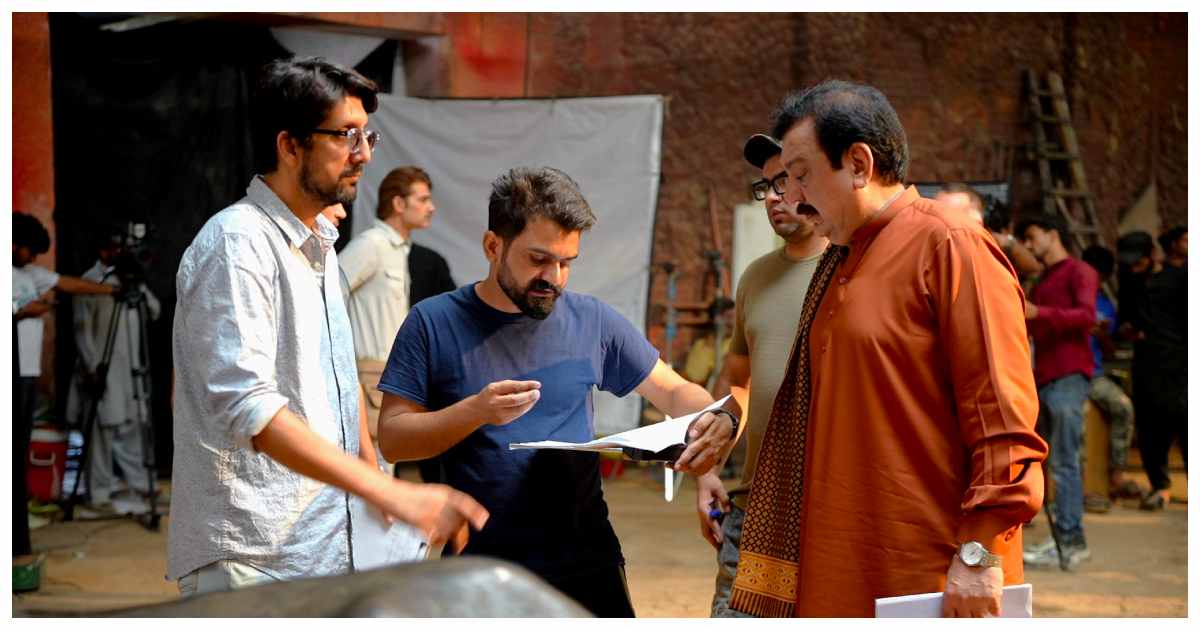
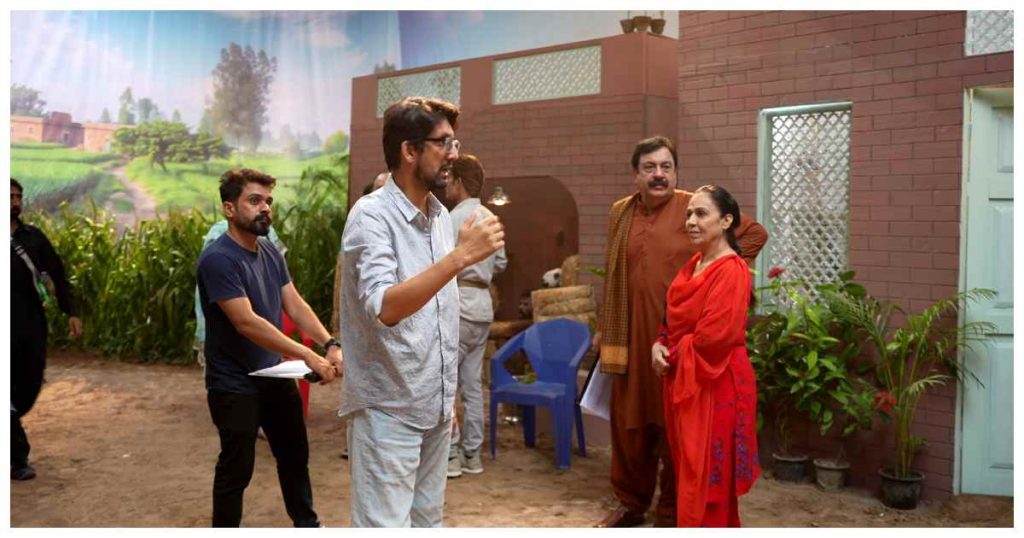
Directed by Ammar Rasool, the play carries cinematic discipline despite its theatrical form. Scenes breathe. Conflicts evolve gradually. Characters are not caricatures; they are recognizably human.
The pacing reflects a director comfortable with long form storytelling. Emotional beats are earned rather than announced. Dialogue carries rhythm without becoming melodramatic. Even humor is measured, never allowed to dilute the underlying message.
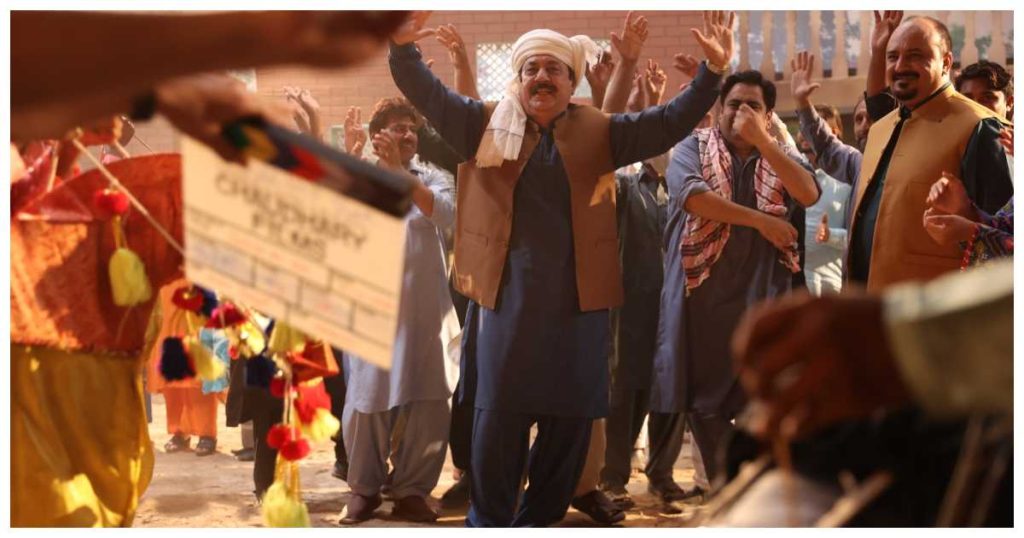
The casting strengthens this balance.
Sohail Ahmed, a name synonymous with stage mastery, brings credibility and emotional control. His presence anchors the narrative, allowing audiences to trust the story before questioning its intent. Opposite him, Honey Albela injects warmth and familiarity, ensuring that humor remains situational and culturally respectful.
The choice of actors is strategic. Familiar faces lower skepticism. They create continuity between entertainment and message. The audience does not feel lectured. They feel invited.
That distinction matters.
Reviving the Village Stage
Stage theatre once occupied a powerful space in Pakistan’s cultural landscape. It entertained, critiqued, and documented social change. Over time, its rural presence diminished.
Bringing it back into village settings carries quiet symbolism.
Under temporary lighting and rural cinema arrangements, families sit shoulder to shoulder. Elders, farmers, women, and children watch characters who speak like them and wrestle with decisions that mirror their own. The dialect is authentic. The humor is clean. The dignity of village life remains intact.
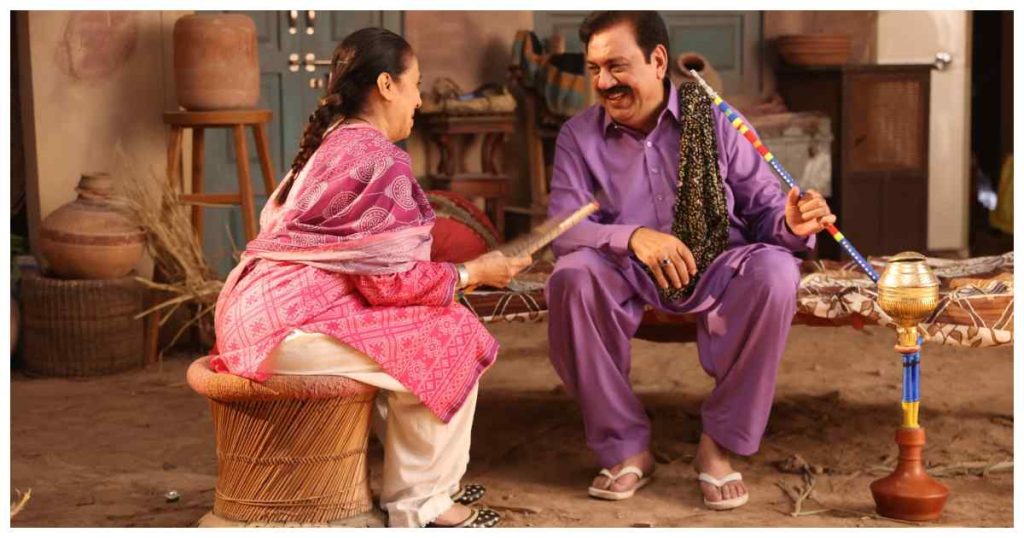
This is not nostalgia performed for sentiment. It is communal storytelling revived at a time when most content is consumed alone, through individual screens.
When corporate capital funds such revival, it steps momentarily into the role of cultural patron rather than advertiser.
That shift is subtle, but meaningful.
The Corporate Risk Few Would Take
From a marketing lens, the move borders on audacious.
Long form rural storytelling does not translate easily into measurable performance indicators. There are no dashboards for emotional resonance. No immediate conversion metrics tied to applause. A 20-minute play cannot be adjusted mid-stream based on retention analytics.
That is why it feels like a gamble.
Most brands rely on repetition and recall. Theatre relies on immersion and memory. Advertisements deliver instruction. Stories invite reflection.
By backing a complete narrative arc instead of a product demonstration, the brand relinquishes control over interpretation. Some viewers may see branded theatre. Others may experience social commentary. The ambiguity itself carries risk.
Yet innovation often lives inside discomfort.
Marketing in Pakistan has grown technically sharp. Production values have improved. Digital targeting has evolved. But narrative patience remains rare. Choosing depth over frequency signals belief that rural audiences deserve complexity rather than oversimplification.
Education and the Village Daughter
At the emotional core of the story lies also a quiet but powerful thread.
A young village girl is portrayed not as a distant dreamer, but as a future doctor in the making. She studies with discipline. She teaches younger children. She reinforces cleanliness and learning through quiet example. Her ambition is neither mocked nor diminished. It is treated as natural.
This is where the narrative deepens.
Higher yields and improved incomes are not shown as end goals. They become catalysts. When financial stability enters a household, education begins to flourish in the surrounding community. Classrooms fill. Aspirations expand. Learning shifts from luxury to expectation.
Agricultural prosperity becomes the soil. Education becomes the crop.
Women’s empowerment is not announced through slogans. It is embedded in character development. That restraint gives it strength. It feels observed rather than imposed.
Theatre as Trust
Agricultural transformation often encounters hesitation not because solutions are absent, but because trust is fragile. Skepticism toward modern practices is protective, not ignorant.
On stage, that scepticism is allowed space. Characters debate. They resist before reconsidering. This portrayal respects rural intelligence.
Storytelling lowers defenses in ways instruction rarely can.
When advice is dramatised rather than dictated, it feels like conversation. In that space, theatre becomes more than communication. It becomes trust-building.
And trust cannot be purchased in thirty seconds.
Cultural Revival as Marketing Innovation
There is something quietly radical about choosing vernacular theatre at a time when marketing budgets prioritize short form digital content.
It signals belief in the cultural intelligence of rural communities. It acknowledges that their stories deserve stage lights and structured narratives. It suggests that innovation is not always about speed. Sometimes it is about depth.
The brand presence remains intentionally restrained. The story leads. The characters breathe. The community engages. The commercial identity lingers in the background, more facilitator than protagonist.
Instead of asking how culture can serve advertising, the experiment gently asks how advertising might serve culture.
The Twenty Minute Question
Will long-form rural theatre redefine brand communication in Pakistan? Perhaps not immediately.
But the attempt expands the conversation.
What if brands occasionally become custodians of culture rather than mere sellers of services?
What if commercial investment helps preserve performing arts instead of replacing them?
What if marketing innovation lies not in shorter messaging, but in longer listening?
In a village courtyard, as applause rises beneath temporary lights, those questions feel less theoretical.
For twenty minutes, commerce steps back and culture speaks.
And in that pause, something quietly enduring begins.