
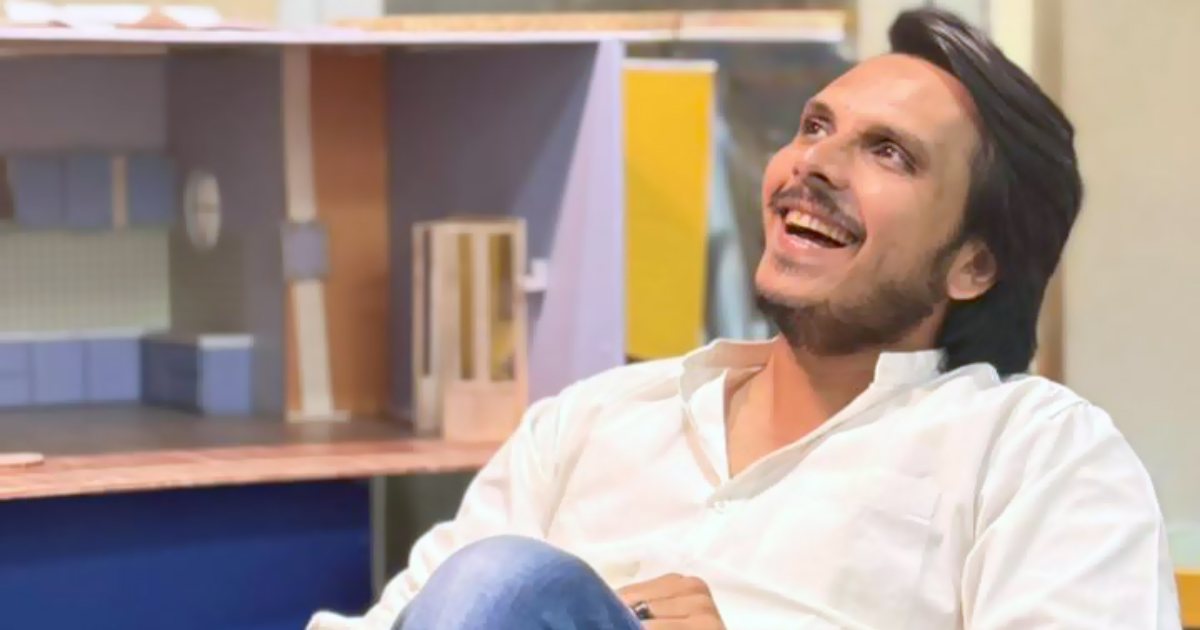
Waleed Ahmed has spent nearly a decade shaping some of Pakistan’s most memorable visual stories, from Mezan’s empathy-driven films to Cheezious’ patriotic campaign and Suzuki’s brand film to Myco’s Supercar Blondie campaign. In this conversation, he talks about how emotion, design, and AI are reshaping storytelling in Pakistan and why feeling still beats formula every time.
Synergyzer: How do you define your design philosophy, and how has it evolved over your career?
Waleed Ahmed: For me, design is emotion in structure; if it does not move you, it is not working. Earlier in my career, I was all about visuals, perfect lighting, and clean frames, but experience taught me that people do not remember beauty; they remember the feeling. Once, during a food commercial, we noticed the ad looked great, but retention dropped before the emotion kicked in. We flipped the cut, started with a mother laughing, real sounds, real warmth, and the engagement doubled. That is when I learned that emotion should never wait until the middle or the end, but it has to come first.
Synergyzer: Do you think AI will ever reach true creative authorship?
Waleed Ahmed: AI can imagine, but it cannot feel. It is a great co-pilot. I use it for quick concept visuals or mood boards, but authorship ultimately comes from human experience. A machine does not know what it feels like to lose light on set or to cry at your own edit. That is the gap between data and soul.
Synergyzer: What guides your creative compass when deciding what emotion a film should leave behind?
Waleed Ahmed: Every project for me begins with a single question: What do I want people to feel when this ends? That emotion becomes the compass; everything else simply follows its direction.
When we worked on Mezan, the core emotion was empathy. We wanted viewers to pause, to really feel the weight of everyday human moments. That meant slowing the pacing, allowing silences to linger, and framing each shot with deliberate stillness. The colour palette leaned towards warmth and intimacy, tones that invited reflection rather than reaction. Nothing was rushed; every breath of the story was meant to echo quietly but deeply.
With Cheezious, the goal was entirely different. Here, we wanted people to feel pride, the kind that comes from celebrating our own, from seeing everyday heroes shine. The visuals reflected that energy: brighter tones, wider frames, a rhythm that pulsed with confidence. Every shot carried an upward momentum: more movement, more laughter, more colour. It was not just a brand film; it was a celebration of spirit.
Then came the Myco “Supercar Blondie” collaboration, where the heartbeat was joy and belonging. We wanted to capture that universal thrill of connection, the feeling of being part of something exciting, inclusive, and forward-looking. The tone was lighter, the music more dynamic, and the transitions carried a sense of motion that mirrored the joy we wanted people to experience.
Once that emotional core is defined, every creative decision, lighting, music, pacing, and performance starts aligning instinctively. The emotion becomes the through-line that holds the entire narrative together. Because at the end of the day, people may forget the visuals or the tagline, but they will always remember how it made them feel.
Synergyzer: How do you measure if creative work truly drives a brand forward?
Waleed Ahmed: If people begin quoting your line, referencing your visual, or using it in memes, that is when it is working. That is real cultural currency. Likes are nice, but when a stranger hums your jingle or reuses your filming style from your ad, you know it has left a mark.

Synergyzer: What is one thing you would never trust AI with?
Waleed Ahmed: Directing emotion. You can generate a frame, but not the connection between an actor and the camera. That pause before a tear falls or that imperfect laugh, that is where the real story lives.
Synergyzer: Have you noticed shifts in local design trends?
Waleed Ahmed: Yes, a lot of nostalgia meets modernity. Urdu type is becoming stylish again, colour palettes are bolder, and brands are finally celebrating identity instead of imitating global styles. It shows our audience wants real, relatable stories, not polished distance.
Synergyzer: What’s the most unconventional way AI could shape local cinema
or advertising?
Waleed Ahmed: Imagine using AI to recreate lost eras like Karachi in the ’70s, or to reimagine the poetry of Allama Iqbal or Faiz Sahab as living visuals. It could become a time machine for storytelling, preserving what we have almost forgotten.
Synergyzer: Do you think design today is made more for algorithms than for audiences?
Waleed Ahmed: A bit, yes. We are designing for the scroll, not the soul. But people are smart; they can sense sincerity. Viral trends fade; real stories stay. That is why I still believe heart-led creativity will outlive algorithm-led content.
Synergyzer: Has AI made creativity efficient but soulless?
Waleed Ahmed: AI has made it faster, not necessarily deeper. The trick is using AI to enhance thought, not replace it. Otherwise, we will have perfect visuals that say nothing.
Synergyzer: How do you see the next decade of storytelling in Pakistan?
Waleed Ahmed: I see it becoming leaner, smarter, and more personal. Budgets will shrink, but ideas will expand. AI will handle the heavy lifting, mood boards, previsualising, maybe even edits, freeing filmmakers to focus on emotion, nuance, and truth.
Global competition will push us to be sharper storytellers, not just better producers. The next decade belongs to those who can merge human emotion with technological precision seamlessly and sincerely.