
Trends tend to follow a familiar cycle. Something new emerges, begins in a niche space, gradually enters the mainstream, and is eventually replaced by the next “new” thing. Yet, in many cases, what is presented as new is often a revival or reinterpretation of something that already existed. In that sense, “trend cycle” is a more accurate way to describe the pattern than a linear progression of trends.
Pinterest’s 2026 forecast highlights “Cool Blue,” an icy, Y2K-inspired aesthetic already gaining traction through searches like “glacier aesthetic” and “icy blue,” signalling a broader revival of past styles.
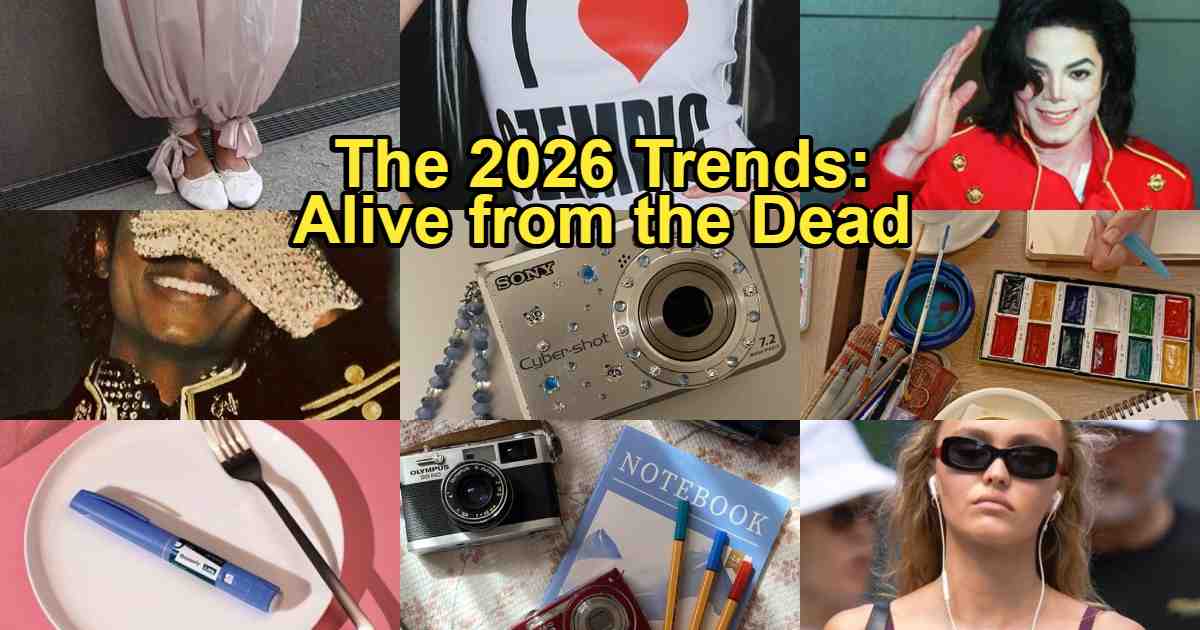
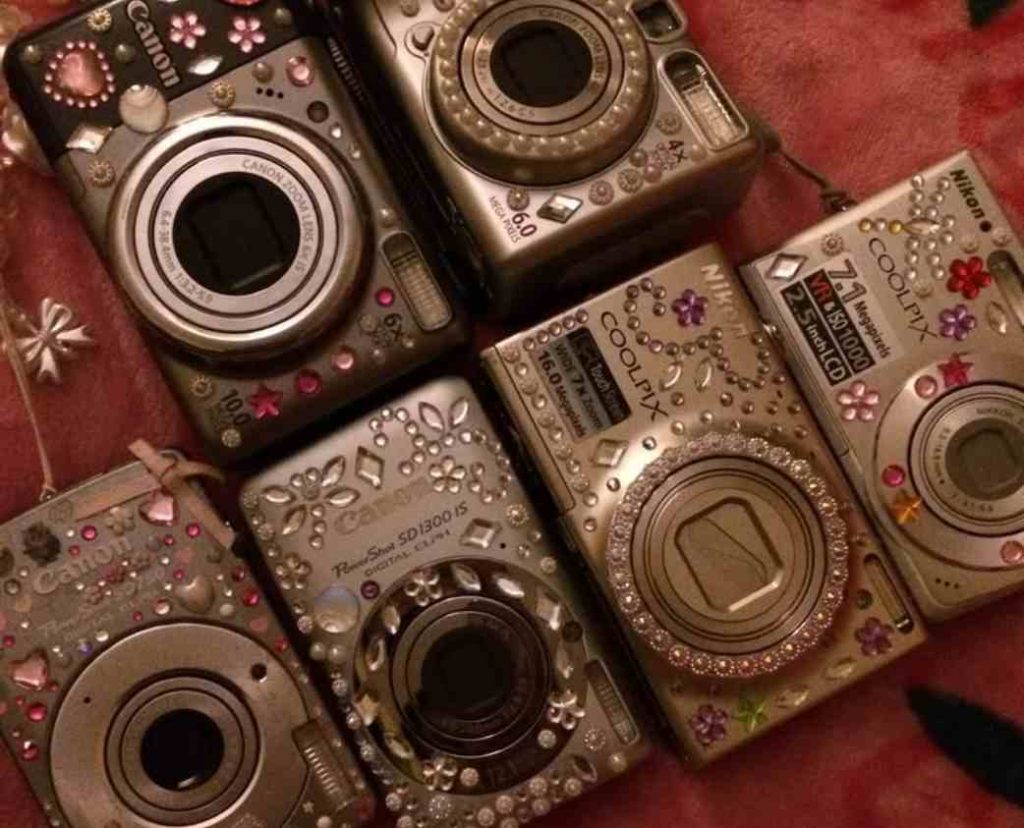
This pattern extends beyond colour trends, with digicams, wired headphones, retro fashion silhouettes, and analogue lifestyles returning to mainstream use. These comebacks especially are less about practicality and more about nostalgia, identity, and the appeal of tangible, familiar experiences in a digital-heavy world.
Overall, the cycle shows that trends rarely disappear completely; they re-emerge in updated forms across culture, technology, and lifestyle.
Digicams or Digital Cameras
Grainy photos, blurry flash shots, bulky cameras, memory cards, and the ritual of transferring files one painful step at a time. We spent years inventing better technology only to decide that worse pictures looked better. The younger consumers prefer grainy images, flash photography, and imperfect quality over the polished look of smartphone cameras. The appeal lies less in convenience and more in the nostalgic aesthetic they create.
Wired Headphones > Wireless
The future that was promised seemed wireless. But instead, people are willing to untangle knots from their pockets each time they want to listen to something. The same wires we celebrated removing are now a fashion statement. Perhaps for some, they are simply more useful when they keep misplacing their wireless ones.

Harem Pants AKA Balloon Pants
Fashion trends don’t really disappear. What was once known as the harem pant has returned under new names, such as balloon pants. We went from skinny to straight to wide-leg to barrel and now balloon. Like many fashion cycles, it shows how styles are often revived rather than reinvented, with people still buying back into things they once swore off.

The Return of The Skinny
After years of celebrating curves, body positivity, inclusivity, and diverse body types, the pendulum has swung back towards ultra-thin beauty standards in pop culture. The rise of GLP-1 medications, celebrity weight-loss transformations, and changing fashion aesthetics have contributed to renewed attention on slimness, reigniting debates about beauty standards and body image.

Analogue Living
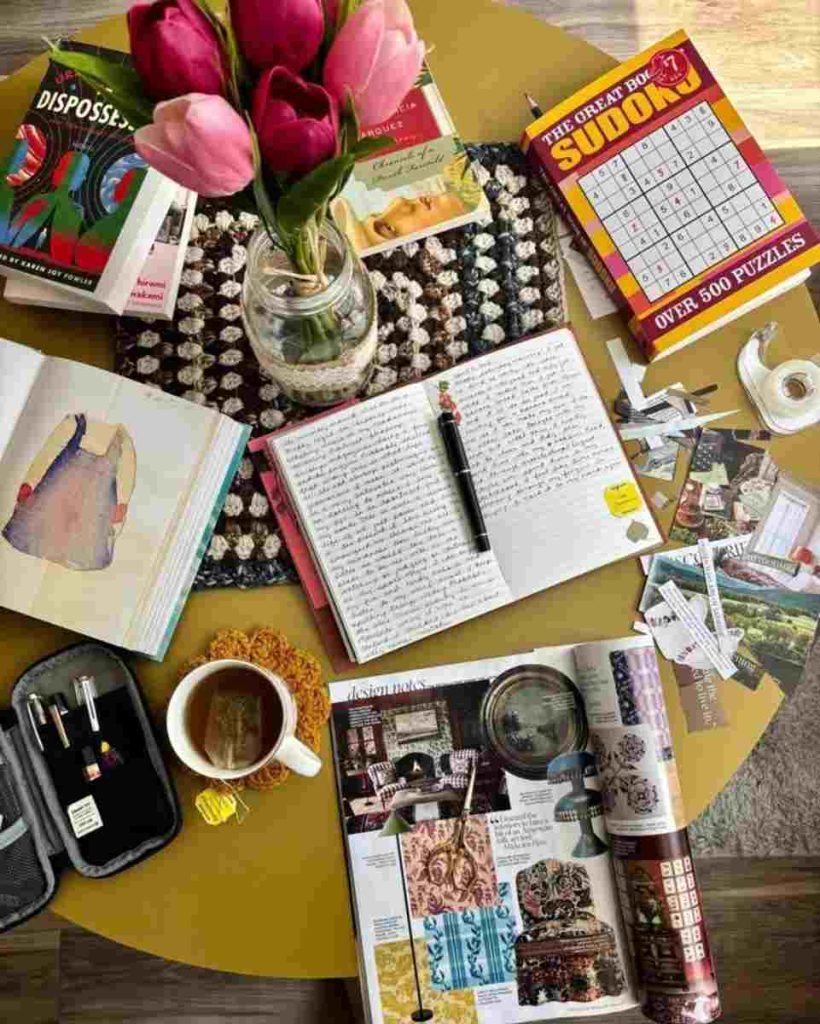
“Analogue” has evolved beyond its original meaning. It is increasingly used to describe activities that are intentionally disconnected from screens and digital devices. Analogue days, analogue hobbies, paper planners, physical books, film photography, and handwritten notes have all gained popularity as people look for ways to reduce screen time and reconnect with more tactile experiences.
The King of Pop’s Second Act
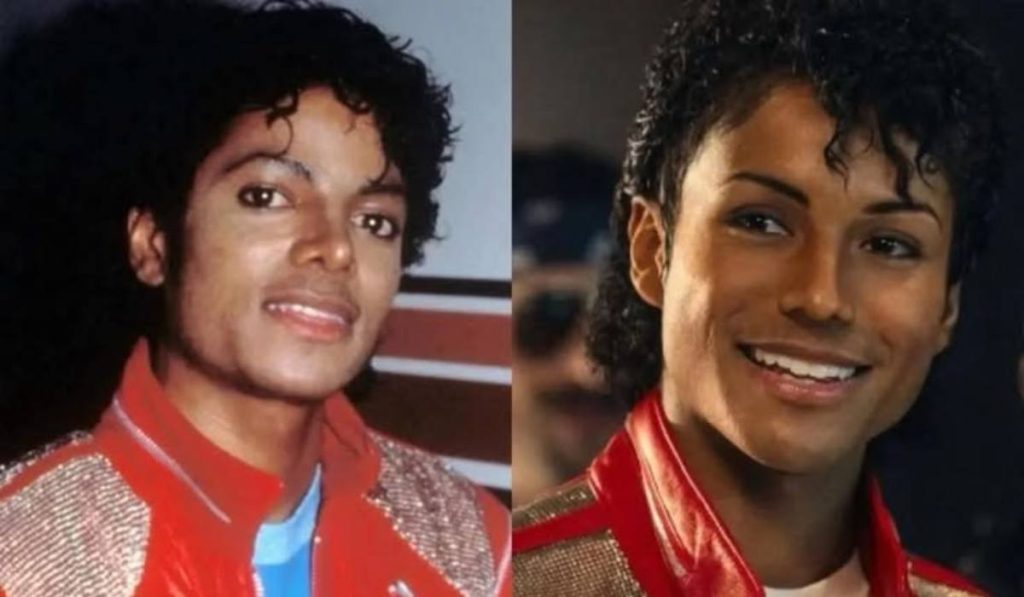
Not literally, of course. But the obsession is back. Michael Jackson’s influence continues to resurface decades after his peak and death. With renewed attention across social media, streaming platforms, and dance culture. His music is reaching younger audiences again, driven by his biopic, which has reignited interest in the songs and performances that defined earlier generations.
Recycle Revive & Repeat
What ties these revivals together is not coincidence, but repetition with variation. Each return carries traces of its original form, yet is reframed through a new cultural lens, shaped by current anxieties, aesthetics, and technologies.
The direction of trends is therefore less about forward motion and more about circulation. What fades rarely disappears; it waits for context to shift again. In that sense, the present is constantly negotiating with the past, borrowing from it, reinterpreting it, and reintroducing it as something newly relevant.
The “previously retired” are not gone. They are simply waiting for their next entry point.