
As Artificial Intelligence takes over canvases, keyboards, and cameras, Pakistan’s creatives are asking a pressing question: Is AI the future of art or the end of originality? This article uncovers it all, from viral deepfakes to AI-driven music videos; the line between genius and imitation has never looked this pixelated.
Walk into any chai dhaba in Karachi or scroll through TikTok on the metro in Lahore, and you might notice something unusual. Alongside the usual politics and cricket banter, someone will inevitably bring up AI: “Yaar, have you seen this app? It made my picture look like a Mughal painting!” or “Bhai, ChatGPT ne mera poora assignment likh dia!”
AI is suddenly everywhere. It paints, writes, composes music, and even argues with you (sometimes better than your best friend). But the big question buzzing in the creative world is this: is AI truly the next Picasso, an original genius who breaks the rules, or just a clever copycat who knows how to remix other people’s work faster than a DJ at a mehndi?
Picasso vs the Copy Machine
Picasso shocked the world with cubism, bold, new, and never-before-seen forms. He did not just follow the rules; he tore them up and started again. AI, on the other hand, does not “feel” inspiration. It learns from millions of artworks, songs, and books already created, then spits out something that looks new. In other words, it’s remixing on steroids.
But is that really creativity? Or is it glorified cut-and-paste? Globally, that is the debate, and in Pakistan, we’re having our own version of this conversation.
The Pakistani Stage: AI Joins the Show
Our country is not just watching from the sidelines. Pakistan launched its first National AI Policy in 2025, promising training for a million people and building a full ecosystem around it. Sounds fancy, right?
But the real action is not in official documents. It is in what people are doing:
Artists: Rehmatullah Mirbahar used AI to re-imagine life in Mohenjo-Daro. The results went viral, part nostalgia, part sci-fi, and a whole lot of “Wah Bhai Wah!”
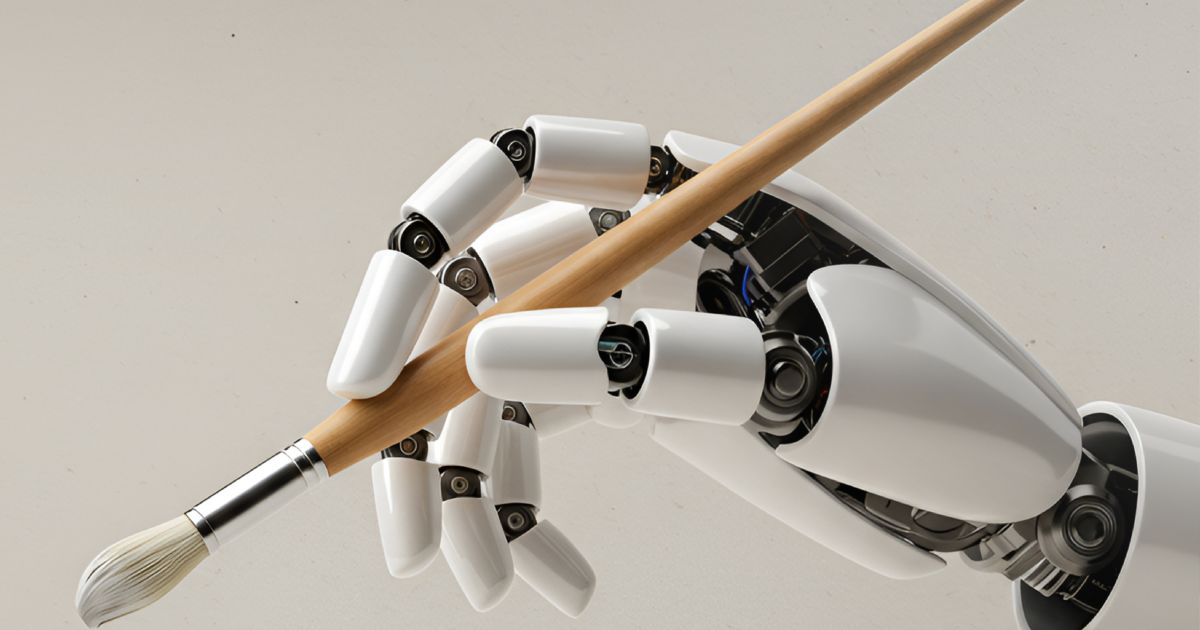
Musicians: Ali Zafar dropped Pakistan’s first AI-driven music video, “Rang Rasiya”, proving that even our pop stars are curious about what happens when machines pick up a paintbrush.
Agencies: Advertising creatives are quietly using AI to whip up mock-ups, taglines, and even jingles in half the time. Don’t worry, the “big idea” is still human-made, but the grunt work is AI’s shift now.
Gen Z vs AI: Competition or Collaboration?
Here is where it gets spicy. Walk into any university, and you will find Gen Z split into two camps.
Camp One: “AI is stealing our jobs. Who needs a designer when MidJourney can whip up a poster in 10 seconds?”
Camp Two: “AI is my unpaid intern. It drafts my essays, designs my logos, and even brainstorms wedding hashtags. I just add the finishing touch”.
Truth is, both camps have a point. Surveys show that only about 4% of Pakistanis are deeply aware of generative AI, but usage among young people is exploding thanks to freelancing and TikTok trends.
So, Gen Z is not exactly competing against AI. They are competing to see who can use it better. And honestly? That is a smart move.
The Good, the Bad, and the Deepfake
Of course, it is not all fun filters and music videos. AI has a darker side.
Deepfakes: Fake images and videos of public figures have already sparked outrage. Cases have even been registered by the FIA.
Slop Content: Low-quality, machine-made posts are flooding feeds. It’s like the digital version of reheated leftovers, filling, but bland.
Cultural Misses: AI still does not understand our nuances, the warmth of a chai dhaba, the energy of a qawwali, or the pride of truck art. It might draw a “Pakistani Street”, but forget the one detail that makes it ours.
So… Picasso or Copycat?
Maybe AI is not Picasso. Maybe it cannot feel like we do. But calling it “just a copycat” is also unfair. What it really is, especially in Pakistan, is a game-changer.
For freelancers, it is a secret weapon to compete globally. For small businesses, it’s a way to make decent ads without hiring a big agency. For young creators, it is a playground where imagination meets machine.
The trick is balance: let AI do the heavy lifting, but keep the soul human. Because only we know how to make a joke about load-shedding and make it land perfectly, or how to capture that bittersweet nostalgia of a cricket match under yellow streetlights.
The Final Brushstroke
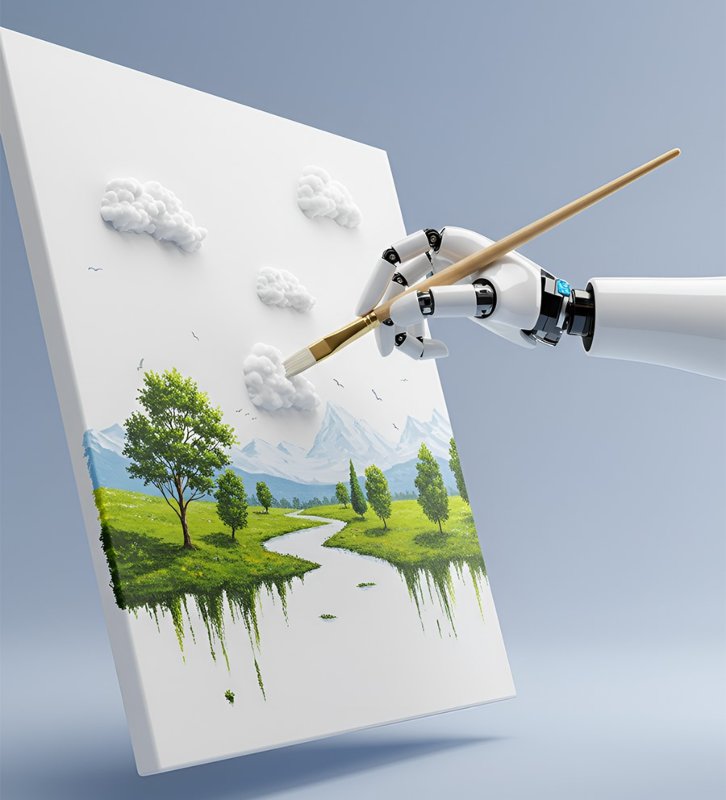
Artificial Intelligence is not a glorified photocopier. Think of it less as an artistic rival and more as that over-enthusiastic intern who shows up with a hundred drafts before you have even had your first cup of doodh-patti.
The real danger is not that AI will replace our creativity; it is that we will get lazy and let it do all the work. Picasso had paint; we have prompts. The masterpiece is not what AI makes; it is what we decide to do with it.
Because let’s be honest, only a human knows the heartbreak of dropping your chai on a white shalwar, the joy of a last-ball six, or the art of roasting your cousin at a shaadi. If we can teach AI even a fraction of that, maybe, just maybe, it won’t become Picasso… but it could become our cheeky sidekick in making the world a little more colourful.
So next time you use AI, ask yourself: am I the artist, or just holding the brush while the machine doodles?