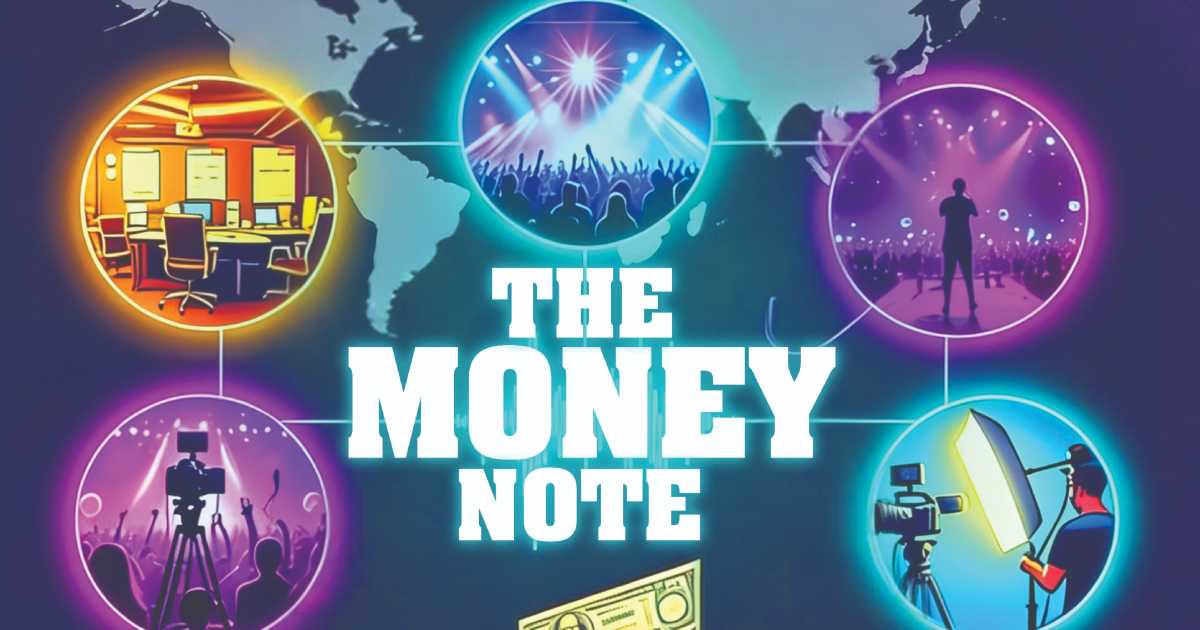
Music in Pakistan is no longer just made; it is positioned. Success depends on visibility, branding, and timing as much as talent; reshaping how artists create, release, and survive. This is the industry’s new money note: where sound is shaped not only to be heard, but to be sold.
In the symphony of Pakistan’s cultural landscape, music is not just an art form; it is a lucrative enterprise. It is where beats meet balance sheets, and melodies morph into marketing gold. From the soul-stirring qawwalis of Nusrat Fateh Ali Khan to the viral anthems of today’s young sensations. The industry has evolved from underground gatherings to a multi-million-rupee machine.
Yet, beneath the glamour lies a complex web of labels, royalties, and revenue streams that could make even the most seasoned accountant hum a dirge. As brands increasingly tune in to music’s power for connection and influence. This feature dives into the business behind the beat: smart, slightly spicy, and unapologetically revealing how Pakistan’s musicians are cashing in, one note at a time.
Let’s start with the maestros of the industry: the music labels. Pakistan’s recording scene has deep roots. Tracing back to the 1970s, when EMI Pakistan (formerly the Gramophone Company) dominated with iconic labels like Columbia and Parlophone.
Today, the landscape is more fragmented and globalised. International players are eyeing the market’s potential. Warner Music Group partnered with Giraffe, a leading South Asian production house, to amplify local talent on global platforms. Meanwhile, Nas’ Mass Appeal Records expanded into Pakistan, signing stars like Talha Anjum and Umair, blending hip-hop with desi flavours.
These labels are not just distributors; they are incubators, handling everything from production to promotion. But in a country where piracy once ruled (remember those bootleg cassettes?). Labels now battle for digital dominance, leveraging platforms like Spotify, which has ramped up events and campaigns to spotlight Pakistani artists. The spice? Many indie labels thrive on shoestring budgets, turning viral TikToks into chart-toppers faster than a major can sign a contract.
The royalty mess: the discordant chord in Pakistan’s musical harmony. Royalties, those elusive payments for plays and performances, remain a grey area, plagued by inefficiency and enforcement woes. Enter COMP: the Collective Organisation for Music Rights in Pakistan, established to collect and distribute royalties on behalf of artists, labels, and composers.
Modelled after global performing rights societies like PRS, COMP aims to streamline licensing and ensure creators get their due. Yet, challenges persist: piracy, lack of IP education, and a fragmented system mean many musicians still see pennies instead of pounds. Take EMI Pakistan’s 2015 lawsuit against this local channel for using a soundtrack without royalties. It highlighted how even hit dramas dodge payments.
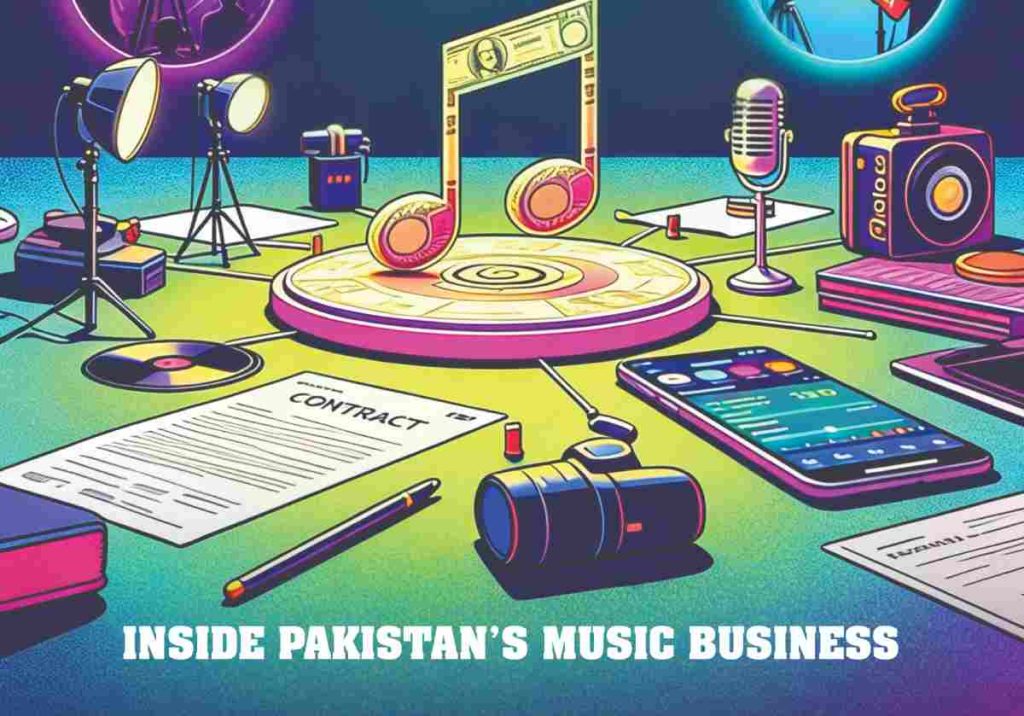
Artists like Sajjad Ali have clamped down, prohibiting talent shows like Pakistan Idol from performing his songs without rights clearance, sparking debates on fairness versus opportunity. The government’s draft Music Policy seeks to resolve these through better copyright frameworks, but until then, it is a tune many are still waiting to cash in on.
Brands, ever the savvy investors, are hitting the high notes by pouring money into music. Coca-Cola’s Coke Studio is not just a platform; it is a revival machine. It is reviving the industry amid piracy’s grip while boosting brand loyalty amongst the youth. Global giants like Coke, Telenor, and China Mobile sponsor raves and concerts to tap affluent consumers, turning events into experiential marketing bonanzas.
This synergy aligns perfectly with the theme of marketing meeting music: brands invest in artists for sync deals, where songs are licensed for ads, films, or feeds, creating emotional bonds. Spotify’s push in Pakistan, with tailored playlists and live campaigns, exemplifies how tech brands are fostering new talent while harvesting data-driven insights. These investments often come with strings: creative control, which can dilute artistic purity, but in a cash-strapped scene, it is better than silence.
Live shows are where the economy gets electrifying and exhausting. Pakistan’s concert circuit is booming, with stars like Rahat Fateh Ali Khan and Bilal Saeed packing venues, but the math is merciless. Ticket prices range from PKR 2,000 to 10,000, yet high production costs (venues, security, logistics) eat into profits, especially with societal hurdles like discrimination against performers. And forget about international acts, event economics make it near-impossible, as noted by industry insiders.
Still, events like Bohemia’s London tour for the diaspora show the global pull, with merch sales adding 20–30% to revenues. Domestically, festivals in Lahore and Karachi generate buzz, but piracy and low sponsorships keep margins thin. The upside: post-pandemic, live gigs are a rebound story, blending culture with commerce in packed arenas.
Publishing rights form the backbone of ownership, governed by the Copyright Ordinance 1962, which limits assignments to 10 years before reverting to the creators. This protects artists, but disputes arise, especially in sync and performance rights.
The real drama unfolds across borders: Pakistani songs often “cross” to India without credit, fuelling plagiarism accusations. Bollywood’s remixes of tracks like Bol Kaffara have sparked outrage, with fans decrying outright theft sans royalties. Cases like Raanjhan from Do Patti, lifted from international sources but echoing border borrowings, highlight the issue. It is a cultural irony: shared heritage, divided credits, prompting calls for stronger IP ties, though politics keeps it spicy.
The biggest earners in Pakistani music today are the usual suspects who dominate global stages and Bollywood playlists: Rahat Fateh Ali Khan, Atif Aslam, Ali Zafar, and folk legends like Attaullah Khan Esakhelvi. Their wealth comes from sold-out international tours, high-fee playback singing, brand endorsements, and smart investments outside music. Exact numbers are impossible to pin down (and change monthly with concert seasons). But it is safe to say the top tier live very comfortably indeed.
Speaking of which, new revenue streams are remixing the game. Concerts remain king, but merch adds serious flair, especially for urban acts. Reels and short-form content on TikTok and Instagram monetise via views and sponsorships, turning 15-second clips into cash cows.
Sync deals are exploding as brands license tracks for ads, like jingles that stick in your head. Digital platforms offer publishing perks, with streaming royalties slowly improving via COMP. The future? AI’s synthetic tunes threaten, but Pakistan’s authentic vibe ensures resilience.
In a time where marketing meets music, Pakistan’s industry is composing a bolder score. Challenges like royalties and cross-border swipes persist, but with brands investing and artists innovating, the money note is hitting higher. One beat at a time, it’s not just about the music; it is about the empire it builds. And in a world of synthetic beats, that raw, human pulse is priceless.