


TikTok has transformed the way people discover and engage with music, blending creativity, emotion and community. We spoke with Umais Naveed, Content Operations Lead, South Asia at TikTok, to understand how TikTok trends, creators and brands are shaping the modern music landscape.
Synergyzer: Music today often reaches people before they even know what they are listening to. Why do you think that has changed?
Umais Naveed: Music discovery is now far more experiential. People often encounter songs through stories, jokes, or visuals rather than actively searching. The first connection is emotional; listeners may not know the artist or title, but they recognise how it makes them feel, which usually leads them to explore the song later.
Synergyzer: We are seeing artists focus heavily on catchy TikTok hooks or specific sections of a song. Is this a creative shift or a strategic one?
Umais Naveed: It is both. Artists have always focused on memorable moments, but now short, recognisable TikTok hooks act as entry points. They spark quick connections and lead listeners to explore the full song, rather than reducing it to fragments.
Synergyzer: How has TikTok changed the way people search for or engage with music?
Umais Naveed: People don’t always search for music by title or artist anymore. Often, they search based on context a lyric they remember, a melody they heard, or the situation in which they first encountered it. That reflects a broader shift in how discovery works. It’s less linear and more intuitive. People move from feeling to curiosity, and then to exploration. Video adds another layer to this because it gives music a setting, a face and a story, which often makes it easier to recall and reconnect with later.
Synergyzer: From a content perspective, what makes a piece of music ‘trend-ready’?
Umais Naveed: Music that travels well tends to leave room for interpretation. It doesn’t tell people exactly what to do with it. Instead, it offers a mood, a rhythm, or a moment that others can adapt to their own ideas. Trends usually grow when people feel invited to participate rather than instructed. A sound becomes trend-ready when it can be used in multiple ways, such as humour, storytelling, emotion, or even commentary. That flexibility is what allows different communities to make it their own.
Synergyzer: Brands are also experimenting with music-led TikTok trends and jingles. What has changed in how brands approach sound today?
Umais Naveed: Brands have become more attentive to how people naturally engage with music. Instead of leading with a message, many are observing how sounds are already being used and then adapting to that behaviour. Music-led branding works best when it feels organic and familiar, rather than overtly promotional. Today’s brands often behave less like traditional jingles and more like musical moments that people can reuse, reinterpret or personalise in different areas of their lives.
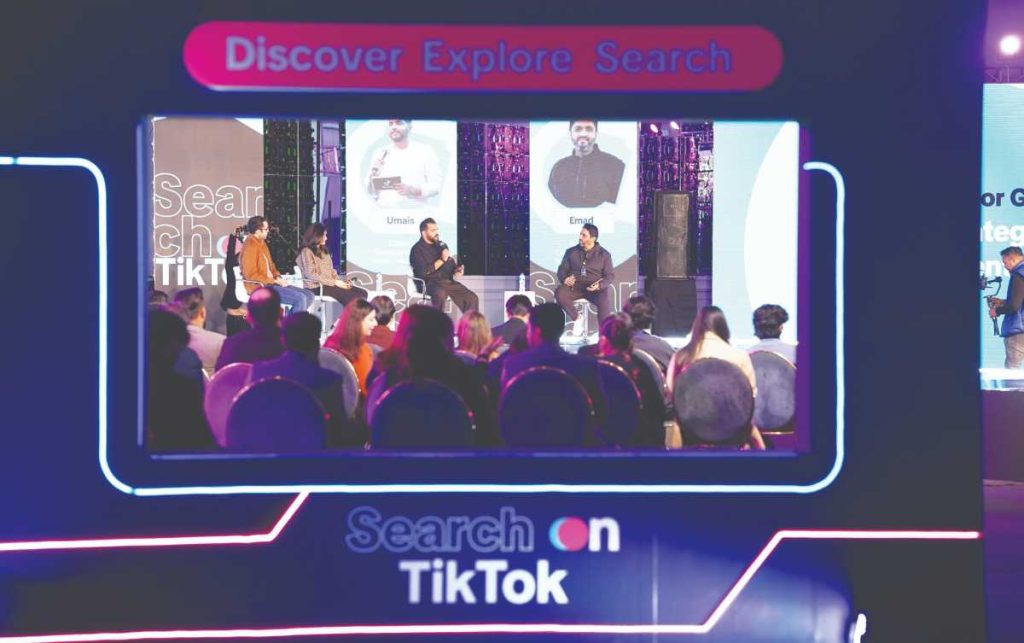
Synergyzer: Recently, TikTok held its first SearchOnTikTok event in Pakistan, where top searches were revealed publicly for the first time. Why was this moment significant?
Umais Naveed: What stood out for us was how clearly the search data reflected everyday curiosity. The top searches weren’t just about entertainment or TikTok trends; they showed what people are genuinely trying to learn, understand and explore. Revealing those searches publicly wasn’t about rankings or popularity, but about recognising how discovery patterns are changing. It highlighted the fact that people are increasingly using video to look for answers, ideas and perspectives, not just content to watch.
Read More: How Pakistan Listened: Inside Spotify Wrapped 2025 with Talha Hashim
Synergyzer: As more people rely on video-led search for information and inspiration, how important do responsibility and safeguards become in that discovery process?
Umais Naveed: When discovery becomes more visual, responsibility becomes part of the experience. People may turn to video for everything from music and trends to more sensitive topics, so it is important for platforms to think about how information is surfacing. That is where measures like search interventions come in, not to limit curiosity, but to provide context and guide users