
April Fools’ Day 2026 was less about trickery and more about creativity. Brands approached it as a strategic moment, using absurdity, hyperreal product concepts, and unexpected collaborations to capture attention, and it worked. Although audiences were no longer easily fooled, they anticipated the gimmicks. Yet that did not diminish the impact. If anything, it raised the bar. The goal was not believability, but engagement.
Nurpur Chocolate Butter
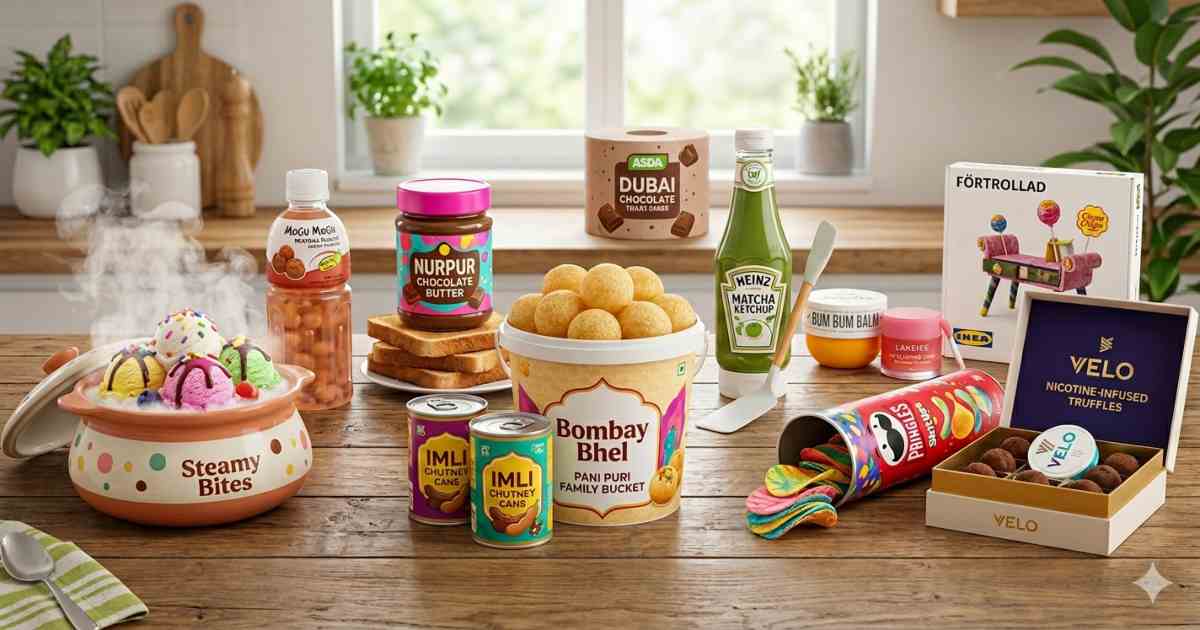
Nurpur introduced a chocolate butter concept that sounded indulgent enough to rival something like Nutella, instantly capturing attention. It felt rich, comforting, and surprisingly believable as a product extension. Sadly, it was entirely fictional, but compelling enough to leave audiences genuinely wishing it existed and perhaps even expecting it to appear someday.
Bombay Bhel Family Bucket
Bombay Bhel teased a pani puri family bucket paired with imli chutney cans, a concept rooted strongly in South Asian snacking culture. It did not feel too far-fetched, which made it even more convincing at first glance. That slight plausibility is what made the reveal disappointing, as many would have happily ordered it without hesitation.
Steamy Bites & the Ice Cream Hotpot
Steamy Bites unveiled an ice cream hotpot, a concept that immediately stood out for its contradiction. The idea of combining heat and ice cream felt intentionally confusing, prompting quick reactions online. Audiences caught on almost instantly, recognising it as a prank, yet the sheer absurdity and visual appeal made it undeniably attention-grabbing and share-worthy.
Mogu Mogu Meatball Flavour
Mogu Mogu pushed boundaries with a meatball-flavoured drink, taking its signature chewable concept into deeply questionable territory. The idea was both horrifying and oddly fascinating, creating a mix of curiosity and discomfort. While clearly unrealistic, it successfully demonstrated how far brands can stretch imagination, while reminding audiences that some ideas are best left unexplored.
Truffle Velo
Velo introduced nicotine-infused truffles, blending indulgence with habit in a way that felt both unusual and strangely plausible. The pairing raised eyebrows but also sparked curiosity, as it did not seem entirely impossible in today’s experimental product landscape. Its believability is what made it effective, driving conversation and engagement across audiences online.
Pringles x Skittles
Everyone loves a sweet-and-salty pairing, which made the Pringles and Skittles collaboration feel oddly plausible from the start. The visual of Skittle-coloured chips was striking enough to capture attention instantly. It also raised an interesting question: if it were real, would the concept stop at colour, or fully commit to replicating the flavours as well?
IKEA x Chupa Chups
IKEA and Chupa Chups collaborated on a concept that felt deliberately absurd, blending two completely different brand worlds. The result was slightly unsettling at first thought, creating a sense of confusion before amusement kicked in. While not exactly appetising, it was entertaining enough to engage audiences, proving that even bizarre ideas can win attention.
Asda Dubai Chocolate Toilet Paper
The Dubai chocolate obsession has clearly moved beyond desserts, expanding into candles, perfumes, and lifestyle trends. This concept, however, pushed that fascination into unexpected territory. While obviously a joke, it did not feel entirely impossible given current consumer behaviour. Its exaggeration worked, highlighting how trends can stretch into increasingly unconventional product ideas.
Heinz Matcha
Heinz merged ketchup with matcha, combining two very distinct and acquired tastes into one unusual concept. The pairing felt intentionally jarring, designed to provoke a reaction rather than convince. While clearly fictional, it effectively tapped into the ongoing matcha trend, using familiarity and contrast to create a campaign that stood out in a crowded digital space.
Sol de Janeiro x Laneige
This was one collaboration many genuinely hoped would materialise, bringing together two iconic beauty brands known for cult favourites. The idea of an ultimate lip balm sparked immediate excitement, with audiences already imagining textures, scents, and results. It had all the ingredients of a commercial success, making its reveal as a joke slightly disappointing.