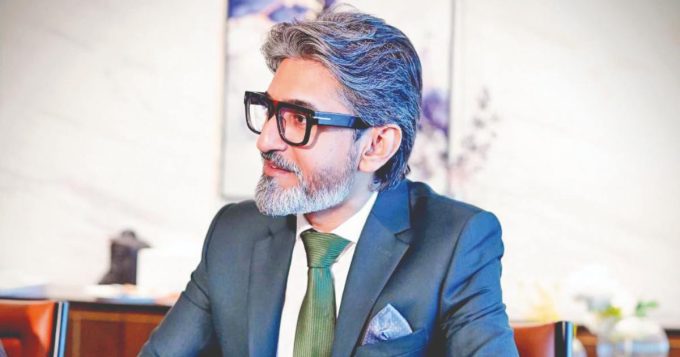


Some artists write melodies; Masood Alam seems to uncover them. His music feels like memory…quiet, aching and deeply familiar. There is emotion in every pause, meaning in every note. From a childhood shaped by loss to becoming one of Pakistan’s most distinctive producers, Masood allows feeling lead the sound. His true gift is resonance: music that makes you feel seen, remembered and understood.
Synergyzer: From cardboard boxes to becoming one of Pakistan’s top 25 producers, which childhood sounds still echo in your music today?
Masood Alam: When I began making music, I knew nothing about theory or technique, and maybe that was my strength. I created freely, and that is why my early sound was different. Even now, after learning the craft, I know one thing: breaking the rules is still key to something truly unique. My process has not changed; what matters is what I want to say.
For me, it’s always about two things: the character behind the music and the emotional impact. These guide me to create work that is addictive, empathetic, and relatable. I stay connected to my younger self, the one who made music on instinct, and that echo still shapes my sound today.
Synergyzer: You describe your work as “stacked, synced and layered.” How do you structure emotion in a commercial soundtrack and blend folk, Sufi, pop and cinematic sounds without it feeling chaotic?
Masood Alam: To understand how listeners connect with my music, it helps to explain how I build compositions layer by layer. Expression is simple: you feel something and want to pass it on. Translating emotion into sound starts with the melody. Once that’s set, I shape its time, atmosphere, and rhythm.
Sadness lingers, so I use slow rhythms; happiness is fleeting, so I use energetic beats. The third layer is like adding colours and textures to details that reveal new beauty the closer you look. In music, this depth comes from instrumentation and sound design, taking the listener through the emotion, world, character and atmosphere of the song. Sufi tones, modern pop, or other colours are added to suit the song’s world.
Even listeners with no musical knowledge can enjoy the journey because the emotion, layering, and storytelling speak directly to the heart.
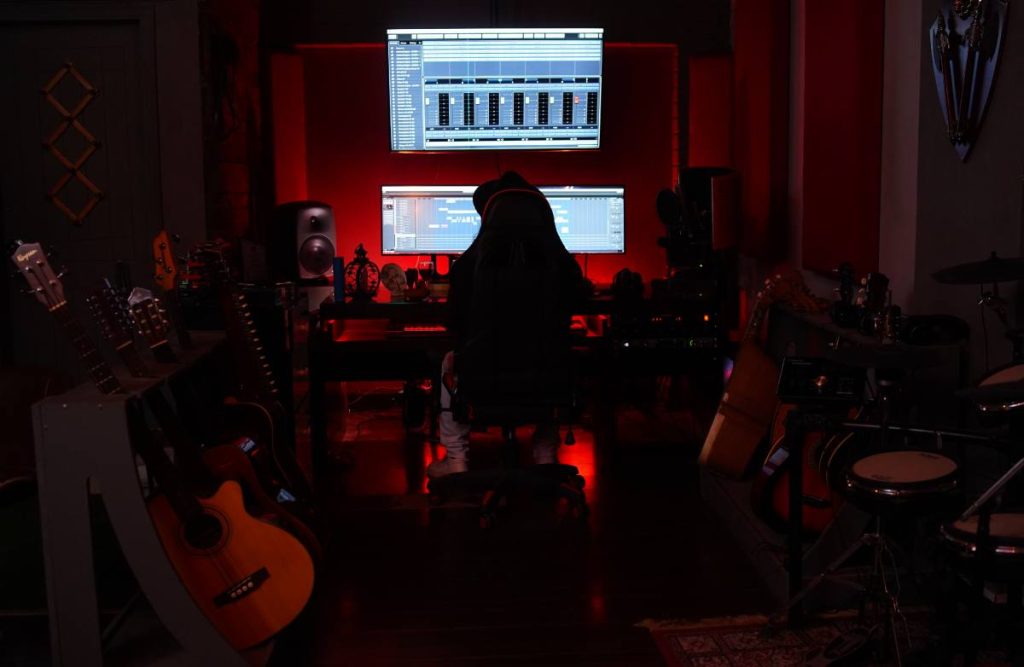
Synergyzer: You have built the soundtrack of Pakistan’s biggest brands – Shan, Ufone, Bank Alfalah, Parco. When you make music for a brand, what are you really selling: product, emotion or identity?
Masood Alam: I struggle most with work that has no emotional expression. I often receive briefs overloaded with references, asking for a blend of everything. These functional ads or films, where the job is simply to describe a product is extremely difficult for me. The work gets passed along in the hope that “someone will fix it,” and the emotional core disappears. Without an emotional trigger, nothing comes alive, and yes, sometimes that leads to rejection.
Comedy is another challenge, as is horror; creating fear through music is incredibly hard. Sometimes I succeed, sometimes I don’t. For me, everything comes down to emotional achievement. I always ask one simple question: What do you want the audience to feel? When that is clear, everything else follows.
A product is sold by the agency through emotion; my role begins after that. I translate that emotion into sound, showing why it matters and how the product connects to it. I don’t sell the product; I sell the feeling, and the product follows.
When it comes to brand identity, a brand’s most defining trait is its voice. Creating a sonic identity is like understanding a person. Just as people express themselves differently based on who they are and where they come from, a brand needs a melody, rhythm, and tone that match its soul and become its identity.
Synergyzer: A jingle can outlive the campaign that commissioned it. What makes a brand sound timeless in a world where ads expire in 6 seconds?
Masood Alam: To answer this, we first need to understand how the human mind remembers and forgets. Three elements make something memorable:
- A unique pattern
- A distinctive sound
- Sometimes, a combination of both
The brain remembers through patterns, built with repetition that lets the listener predict what comes next. For example, in a sequence like AA DC … AA DC … AA GF … AA, the moment the brain sees “AA,” it anticipates “DC.” This is human psychology, and thousands of patterns can be made through poetry, rhythm, and repeated words.
The second element is a unique sound, something unmistakable, like a crow’s call among birds. A sound that stands apart becomes unforgettable.
The third is combining both techniques intelligently. Think of the melodies you remember, you’ll see these elements in all of them. Iconic auditory memories work this way. For instance, an old campaign began with “Zero nine zero zero…” and the mind immediately completed it with “786 01…” Memory works through patterns, distinctiveness, and emotional resonance.
Synergyzer: Mann Maney feels tender and deeply personal. Were you chasing a sound, a feeling, or a moment of truth and how did autism awareness shape its hope and humanity?
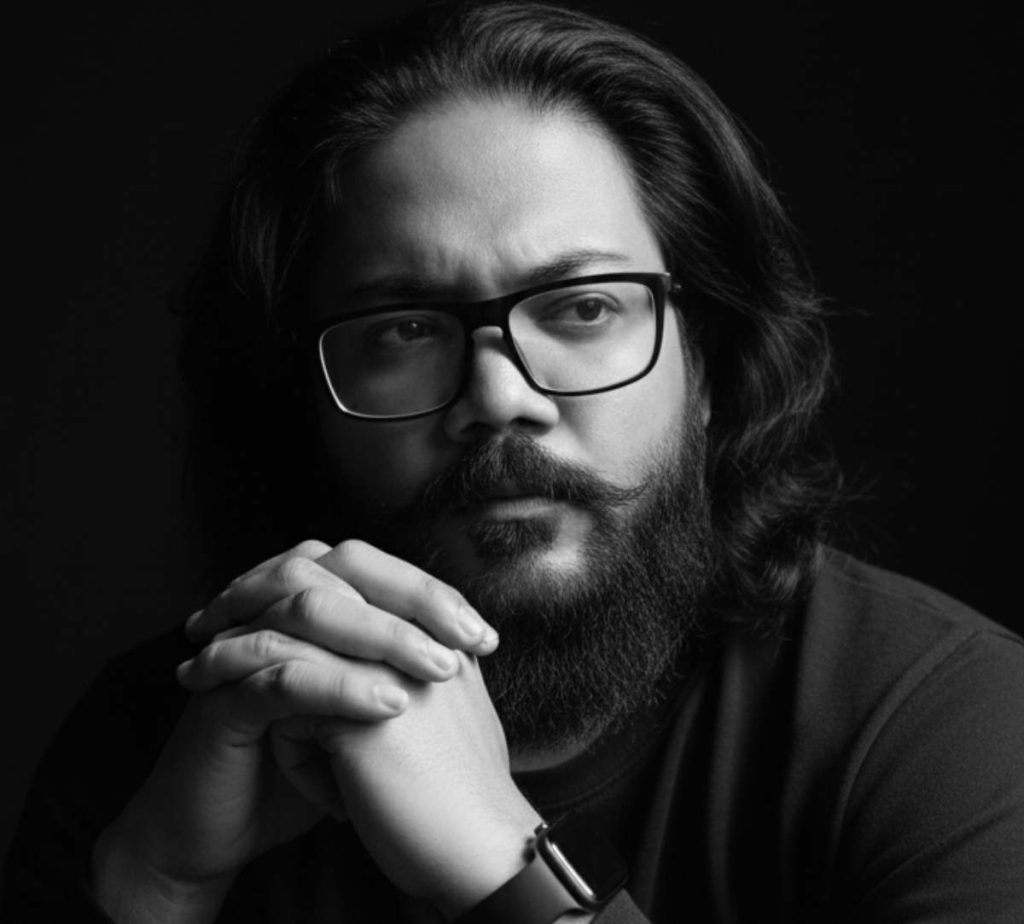
Masood Alam: This song was not crafted; it simply arrived. Let me share the story behind it. Early in my journey, I met many aspiring musicians, including a friend named Ahad.
He had a musical sensibility unlike anyone else, and we often shared our work and ideas. Then, suddenly, he disappeared. His music stopped, and life moved him into silence.
Years later, when we reconnected, I learnt the truth: Ahad had devoted himself entirely to fatherhood. Caring for his autistic son demanded so much that he had to choose between music and parenthood, and he chose his son. His story moved me deeply; it felt as though a part of me had lived it too. From that feeling, the song emerged.
There was no campaign or agenda, no intention to raise awareness. It was simply a truth escaping the heart, a message to a friend that nothing in life is wasted. Sometimes what God gives us is a gift meant only for us. Later, awareness found its own way in. Humanity did too. The meaning settled into the music on its own.
Synergyzer: You have worked for brands that want instant recall. How do you balance creative authenticity with corporate briefs screaming: “Make it viral!”?
Masood Alam: This is a skill I openly admit I don’t have. The formula for virality has always eluded me. I have tried to study why something suddenly explodes or how it spreads, but the reason is always different. At my core, I am a craftsman.
I cannot create unless I’ve explored something deeply, and viral content relies on ingredients I simply don’t keep in my studio. Even if something of mine does go viral, it will never be because I engineered it. So, when people ask how to make something go viral, my answer is simple: I will make the best melody I can. The rest is up to God.
Synergyzer: You are known for “shackling orthodox ways” in the industry. Which outdated habit in Pakistani music do you wish you could delete permanently?
Masood Alam: No, I do not want to change, and I say that with conviction. This mindset has taken years to cultivate, and I hold it close. I work in my own way, I learned music with passion, and if anyone asks me to compromise my process, I politely decline.
I routinely turn down projects that do not allow me creative freedom. On the rare occasions when a project is accepted one out of courtesy, the result is always disappointing because, instinctively, I am an artist. I translate emotions into sound. And so, I could never erase or “delete” who I am.
Synergyzer: You have been a champion of young musicians. What is the biggest misconception emerging artists have about the commercial music world?
Masood Alam: The misconceptions are endless. Many believe that covering a few songs will automatically open doors, but this is a commercial industry, an industry of craftsmen. The best are those who are trusted, and those who are trusted are paid.
Some think only connections matter, or that only famous faces get work. Others believe there is no real artistry in advertising music, that it has no soul. Many from lower or middle-income backgrounds assume opportunities are reserved for the elite.
I try to challenge these ideas. Commercials and brands are made by humans, for humans, and this field demands excellence in both craft and emotion. Everyone gets a chance; what matters is proving yourself when it comes. That is exactly how it worked for me.
Synergyzer: You have worked with Atif Aslam and Natasha Baig. Do you think digital platforms create musicians or merely highlight them?
Masood Alam: Yes, it’s true – creators often remain invisible while those in front of the camera take the spotlight. But there is another side. Bringing a major artist into a project involves substantial investment, uniting the brand’s image, audience and business. Their visibility creates value. In this industry, there are two paths: fame purchased for a purpose, or skill purchased to achieve that purpose.
It is up to the skilled individual which path to take. We are in show business, grow your “show,” and the business grows with it. This isn’t unique to Pakistan; globally, many renowned producers and musicians once worked quietly behind the scenes. Charlie Puth, for example, is now global but wasn’t always in the spotlight. Ultimately, it comes down to belief: what do you truly want for yourself?
Synergyzer: You can only keep one instrument for the rest of your life: which one survives the apocalypse?
Masood Alam: I always keep at least one instrument close, something that keeps me connected to the essence of sound. For me, that is a solar-powered electric piano or melodica. Wherever I am, I want the freedom to create, explore, and capture ideas instantly without relying on anything else.
Synergyzer: You have created sounds that make people emotional, patriotic or nostalgic. Which emotion is easiest to evoke, and which is the hardest?
Masood Alam: Evoking emotion through music is one of the hardest things for me, because I must first confront it within myself. Every time I create, I move through an inner state and translate it into sound, linking each emotion to a moment from my own life.
Even when writing for others, I write from my own truth. That honesty gives my work conviction. I know which era and memory each line comes from, and which wound or joy shaped it. Creative block runs deep for me, and every melody and lyric still carries a piece of who I am.
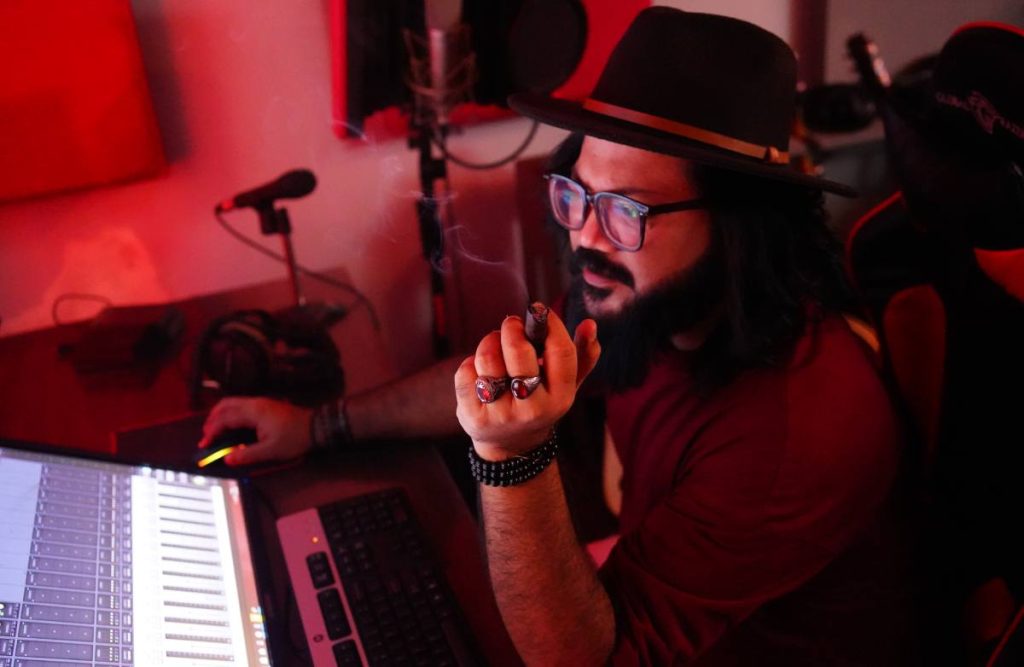
Synergyzer: What will the Masood Alam legacy sound like when someone plays it decades from now?
Masood Alam: Aamir Zaki once sang, “Meri awaaz sun lena, mere geeton mein tum.” That line captures exactly what I hope for. When someone hears my music, I want them to hear my voice, my truth, my honesty. I want them to feel that everything I create comes from a sincere heart.
My hope is that people become more honest with their emotions, and if my music can help them reach that honesty, then I have done my part. Music has given me so much. Before I leave this world, I want to give something back – knowledge, feeling, and inspiration for future musicians. I want people to remember that there was a Masood Alam, and that his work helped others create, feel, and evolve.