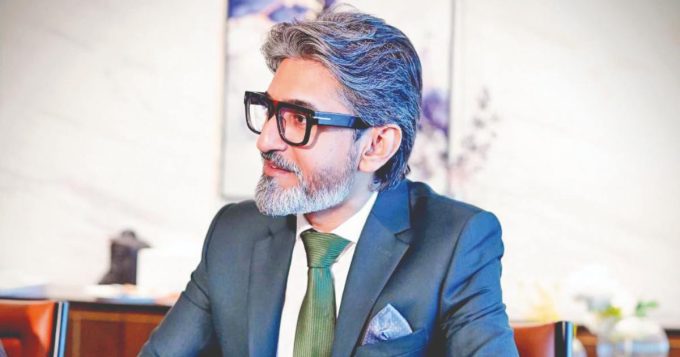

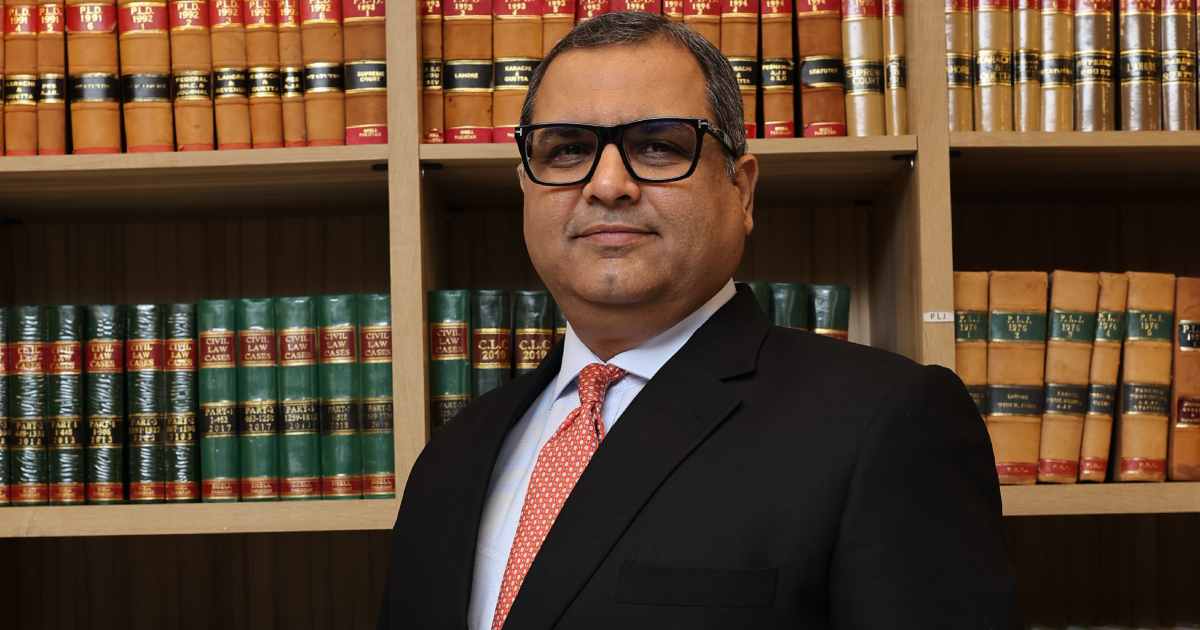
While cars capture attention on the road, what runs beneath the hood determines their longevity. Danish Ansari, Director of Lubricants at Wafi Energy Pakistan – Shell Licensee, operates in this often-overlooked space where performance, efficiency, and trust intersect. With over two decades in the global energy and lubricants industry. He brings a global perspective to Pakistan’s transforming automotive ecosystem, standing at the crossroads of energy transition, after-sales reliability, and the future of mobility.
Synergyzer: What initially drew you to the energy and lubricants sector? And how has your leadership evolved alongside the industry’s rapid transformation?
Danish Ansari: I started out as a mechanical engineer, which gave me an early understanding of how machines operate and the critical role lubricants play in ensuring reliability and efficiency. Over time, particularly after completing my MBA. My professional journey evolved into a more multi-disciplinary capability, combining technical depth with a strong commercial perspective.
What drew me to this sector was the combination of that technical depth and real-world impact across a wide customer base, ranging from car and motorcycle owners to large industrial projects.
As I progressed, my perspective expanded from products to systems, bringing together consumer marketing, industrial customers, supply chains, technology, and people. This reflects the unique nature of the business, which is both consumer-facing and deeply industrial, making it inherently complex.
My leadership has evolved accordingly, from functional expertise to crafting strategy and ensuring its execution to deliver commercial value, while building strong teams. I have focused on shaping future-ready businesses by leveraging digital integration across multi-country, multicultural environments, and am now exploring how AI can be applied to transform business and commercial processes. In a fast-changing industry, leadership is about aligning people, systems, and strategy to deliver consistently across this full spectrum.
Synergyzer: Based on your international experience, how mature is Pakistan in automotive maintenance and lubricant awareness?
Danish Ansari: Pakistan’s market is high-potential but still developing in terms of automotive maintenance and lubricant awareness. One clear indicator is motorisation, with roughly 12 cars per 1,000 people, compared to 25 in India and over 220 in markets like Thailand, highlighting both the gap and the opportunity.
For vehicle maintenance, while mechanics remain central to decision-making, the challenge lies in the prevalence of informal servicing, outdated practices, and myth-driven maintenance habits. Awareness is improving, particularly in urban areas, and more consumers are beginning to understand the role that lubricants play in engine protection and efficiency.
At the same time, vehicles in Pakistan operate under demanding conditions, making correct product selection and maintenance even more critical. This creates a strong opportunity to upgrade skills, improve awareness, and shift towards more informed, up-to-date maintenance practices as the market evolves.
Synergyzer: Motorcycles remain the backbone of everyday mobility in Pakistan. How significant is the two-wheeler segment for the lubricant industry, and how can better maintenance awareness improve engine performance and longevity?
Danish Ansari: Motorcycles account for over 80% of the vehicle parc in Pakistan and are growing faster than passenger cars. They also run significantly higher annual kilometres, with shorter oil drain intervals. These factors combined mean the segment contributes to more than one-third of total automotive lubricant demand, making it a key driver of the lubricants business in the country.
Maintenance practices in this segment are even more fragmented than in passenger cars, given the largely informal nature of the market. At the same time, the intensive usage of motorcycles means that even small improvements can deliver better fuel efficiency, longer engine life, and lower operating costs, while also helping raise overall market standards.
Greater awareness around using the right product, maintaining correct drain intervals, and avoiding substandard alternatives can significantly improve engine performance
and longevity.
Synergyzer: In a country where fuel costs are rising and engine efficiency matters more than ever, how critical are advanced lubricants in improving long-term vehicle performance and reducing operating costs?
Danish Ansari: A portion of the usable power from an engine is lost due to friction, and hence, this has a direct impact on fuel efficiency. A good lubricant not only reduces friction, but also helps protect the engine, maintain efficiency and engine integrity, which also impacts fuel economy and long-term operating costs.
Advanced lubricants are increasingly critical as fuel costs rise and engine efficiency becomes more important. In many cases, the savings from improved efficiency and reduced wear and tear can outweigh the initial price difference of a higher-quality product.
This becomes even more important in Pakistan, where rising fuel costs, combined with longer vehicle usage and heavier operating conditions, increase the need for efficient and reliable performance. Using the right lubricant can significantly improve engine life, reduce breakdowns, and reduce overall operating costs.
The consumer mindset needs to shift from focusing only on purchase cost to understanding lifecycle value. Advanced lubricants actually reduce costs in the long run due to their performance and improve reliability as well.
Synergyzer: Many consumers focus heavily on purchasing a vehicle, but often overlook the importance of quality maintenance. How does this mindset impact engine life and overall standards within the automotive ecosystem?
Danish Ansari: In my opinion, the reasons for this are twofold. First is consumer behaviour, which leans predominantly towards breakdown maintenance rather than a preventive approach. Second is the largely informal and fragmented automotive maintenance ecosystem, which does not actively educate consumers or shift behaviour towards preventive maintenance.
This mindset has a direct impact on engine life and overall ecosystem standards. When maintenance is only undertaken after visible signs of breakdown, it leads to greater and often irreversible wear and tear, along with higher repair costs. At the same time, because the upfront cost of maintenance is visible while long-term costs are not, the incentive to change behaviour remains limited.
At a broader level, this also reduces the incentive for the ecosystem to upgrade itself, as demand for preventive maintenance services does not grow at the pace it should, allowing outdated practices to persist.
That said, I must acknowledge the role of automakers and their authorised dealerships, whose service teams are consistently working to shift this mindset through proactive engagement. Over time, I believe this will help the Pakistani consumer gradually evolve towards more preventive maintenance practices.
Synergyzer: What hurts more — someone skipping an oil change for 20,000 kilometres, or someone putting the wrong grade of oil in a brand-new engine?
Danish Ansari: This is a tough one; it is like asking what’s worse: not eating for days or eating stale food! Skipping an oil change from 3,000 to 20,000 kilometres means the oil degrades, loses its protective properties, and damage builds up steadily over time. It may not be immediately visible, but it is often irreversible.
Using the wrong oil depends on how wrong it is. A close match may not cause immediate issues, but a significant mismatch can lead to much faster and more severe damage. So, if I had to simplify it: old oil wears the engine down slowly; the wrong oil can catch it off guard. The safest rule is to use the right oil and change it on time.
Synergyzer: With EVs, hybrids, and traditional engines entering Pakistan, how crucial are automaker-lubricant collaborations for the future of aftersales?
Danish Ansari: The proliferation of EVs in any country depends on a few key pillars: government policy and regulation, automakers introducing new technologies, and the development of supporting infrastructure. In Pakistan, the interplay between these factors means that EVs and hybrids are still a small part of the vehicle base, accounting for around 3 to 4% of the car parc, with pure electric vehicles well below 1%.
While this segment is growing four to five times faster than conventional vehicles, and Pakistan has over a dozen active automotive assemblers, with a growing number introducing electrified models, the transition will remain gradual rather than disruptive unless these underlying drivers shift materially.
That said, it is important for energy and lubricant companies to stay closely engaged and collaborate with automakers. Different vehicle technologies require different fluids and service approaches, and alignment ensures that the right products and practices reach the market.
These partnerships also help strengthen the maintenance ecosystem through training and awareness, enabling the market to adapt effectively as the technology mix evolves.
Synergyzer: As Pakistan gradually moves toward hybrids and more advanced engines, is the lubricant industry ready for this shift? What broader role should energy and lubricant companies play in advancing cleaner mobility and strengthening the automotive ecosystem beyond product sales?
Danish Ansari: The transition will be gradual, but the lubricants industry is technically ready. With products and technologies already developed globally and available for introduction in Pakistan.
While EVs and hybrids will grow over time, internal combustion engines will continue to remain significant, creating a dual challenge. Energy companies will need to continue improving maintenance practices across a large existing vehicle parc, while simultaneously building capabilities for new technologies and service requirements.
The role of energy companies will also include continued investment in charging infrastructure and supporting technologies. For lubricant businesses, however, the role goes well beyond product supply.
It involves building capability across the ecosystem, advising and educating consumers. Holding workshops on correct product application and enabling the adoption of new maintenance practices. As the ecosystem evolves, this will require close collaboration between energy companies, automakers, and policymakers to ensure a smooth and effective transition.
Synergyzer: In a digital age, how can energy and lubricant brands in Pakistan build long-term consumer trust instead of focusing on short-term sales?
Danish Ansari: In today’s environment, consumers are more informed. But the volume of information makes it harder for brands to stay relevant. In the energy sector, where the same brand often spans fuels and lubricants. Trust is built less through messaging and more through real-world experience.
In fuels, this comes from the retail network and customer experience. In lubricants, trust is shaped through mechanics, workshops, and peer influence. While industrial customers rely on a solutions-led approach, combining product performance with technical support.
Digital platforms play a role in awareness, but long-term trust comes from consistent delivery at the point of use. Brands that align a strong on-ground presence with credible digital engagement, and consistently deliver what they promise, will build sustained trust and loyalty.
Synergyzer: What opportunities do you see for young professionals who want to build careers in Pakistan’s evolving mobility and energy landscape?
Danish Ansari: The energy landscape in Pakistan is vibrant, evolving, and will continue to offer rich opportunities for young talent across the value chain. From marketing, sales, and distribution to supply chain and other functions, each providing a meaningful and rewarding career path.
What will differentiate talent is not just capability, but mindset. A learner’s mindset, a positive attitude, and a passion for excellence are what set individuals apart from mediocrity.
At the same time, the industry is increasingly looking for people who can make data-driven decisions. Navigate ambiguity and volatility, and leverage AI to augment their thinking and improve the quality of decisions.
My advice to young professionals is simple: identify what you are naturally good at early, build depth in that area, and align your career accordingly. Sustained excellence comes from working at the intersection of capability and passion.