
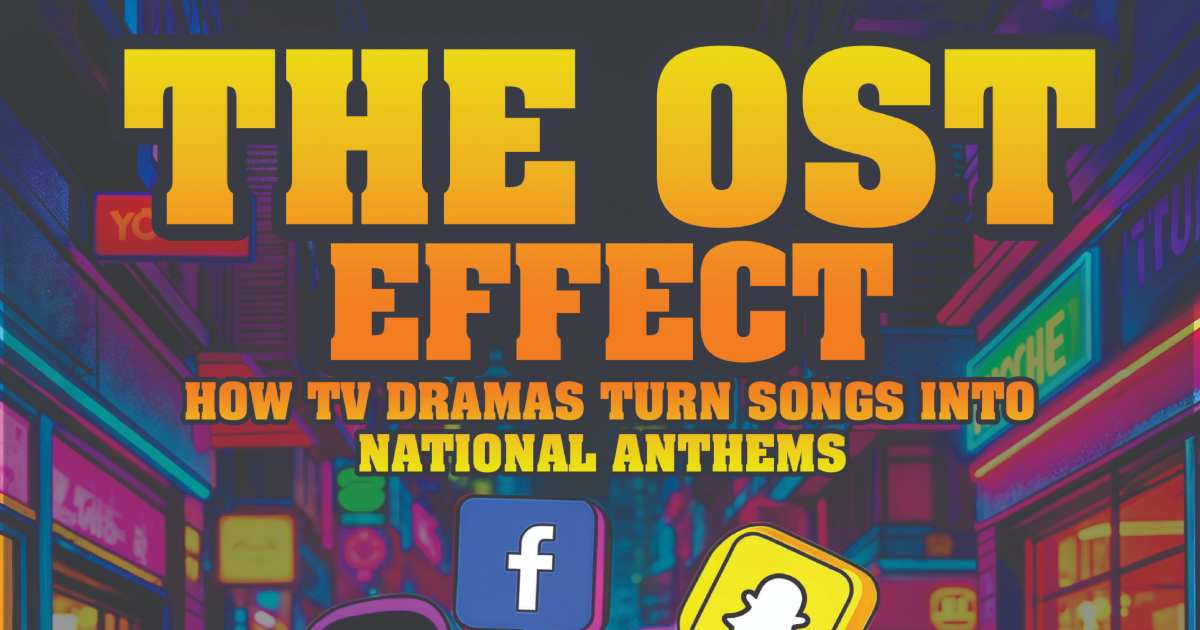
A Pakistani TV drama is not complete without its OST. What began as background music has evolved into a cultural phenomenon. Turning title tracks into national anthems, launching careers, and shaping the way audiences connect with stories, emotions, and the entertainment industry itself.
OST stands for “original soundtrack,” a term used across films, dramas, documentaries, and series. But in Pakistan, it has taken on a meaning far beyond its literal definition. Here, an OST isn’t just a song; it can become a cultural phenomenon, a melody that resonates almost like the national anthem.
A serial does not feel complete until its soundtrack arrives. The episode ends, the screen fades to black, and then a voice takes over, a melody that lingers long after the story slips from memory.
What began as a storytelling tool has gradually evolved into something larger than television. It has become an integral part of our daily emotional vocabulary. These songs live in our phones, in heartbreak playlists, at wedding entrances, on Instagram and TikTok edits, and even in WhatsApp statuses. The evolution of Pakistani OSTs is a story shaped by culture, accelerated by technology, and deepened by the emotional rhythm of society itself.
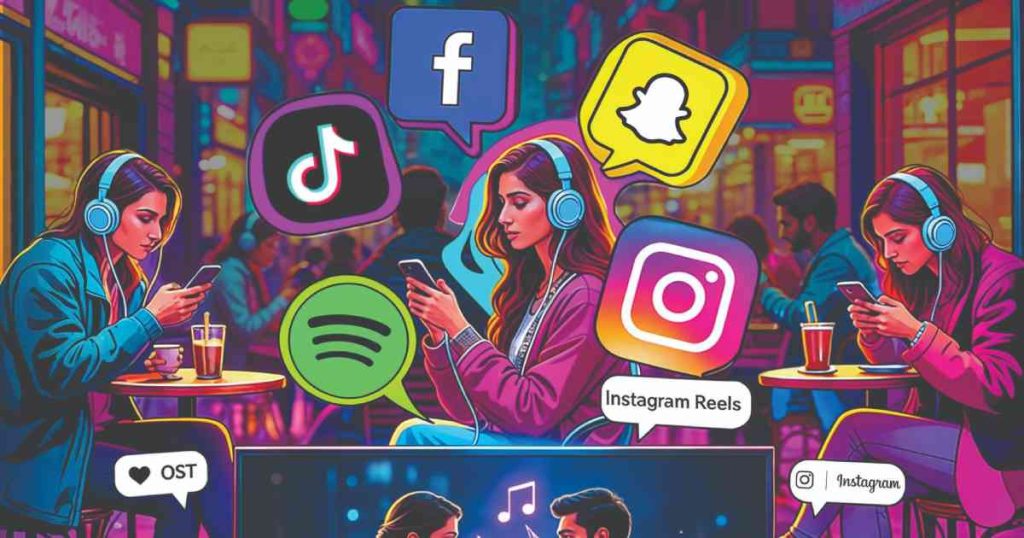
Somewhere between the golden simplicity of PTV and today’s chaotic digital feeds. The drama OST quietly became one of the most powerful engines of Pakistani entertainment. But this transformation did not happen overnight. It is a story of slow shifts, sudden explosions, and then a complete rewiring of how Pakistan consumes music.
Before the OST Boom
Long before OSTs became chart-toppers, Pakistan’s drama music lived in a quieter world. During the PTV era of the 1980s. A time when one state-run channel shaped national entertainment, serials like Dhoop Kinaray, Ankahi, and Tanhaiyaan relied on gentle, unobtrusive background melodies.
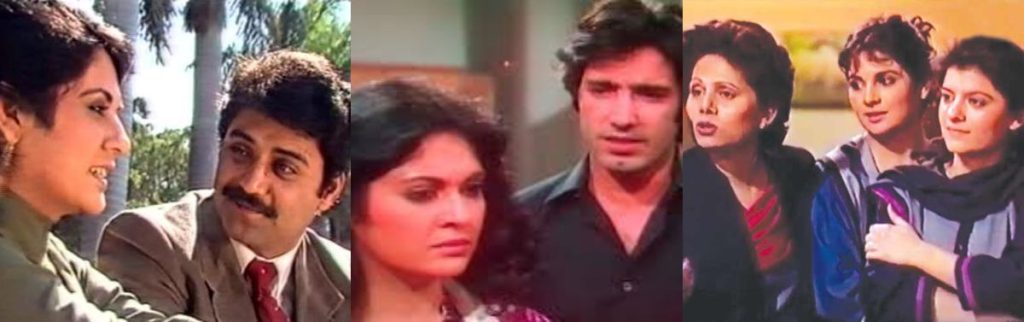
These tunes set the mood, added warmth, and slipped into viewers’ memories, but they were never positioned as standalone songs. They were woven into the storytelling, not the larger pop culture conversation.
Part of this subtlety reflected the social atmosphere of the time. Under General Zia-ul-Haq’s rule, television content gravitated toward restraint and emotional softness. The music echoed that environment: elegant, minimal, and intentionally understated. Yet even with their simplicity, those early soundscapes developed a lasting emotional pull, the kind that instantly transports older viewers back to living rooms lit by a single evening drama.
The Transformation of the 2000s
The early 2000s ushered in a new landscape. Pakistan’s music industry was struggling; bands broke up, artists left for India, music channels declined, and original music virtually disappeared. When Coke Studio Pakistan launched in 2008, it revived some excitement. But even that revival leaned on reinterpretations rather than new compositions.
Amid this musical drought, private TV channels like Geo, Hum TV, and ARY Digital began experimenting with something PTV had never fully explored. The power of a dedicated title track. With greater creative freedom, producers started to treat music as more than just background ambience. Inspired partly by India’s emotionally charged TV soundtracks, they realised how a well-crafted song could deepen storytelling, set the emotional tone, and most importantly, attract viewers.
This was when OSTs stopped being mere intros and began emerging as full-fledged songs. Dramas like Meri Zaat Zarra-e-Benishan (2009), carried by Rahat Fateh Ali Khan’s unmistakable voice, and Main Abdul Qadir Hoon (2010), sung by Ifti, signalled this turning point.
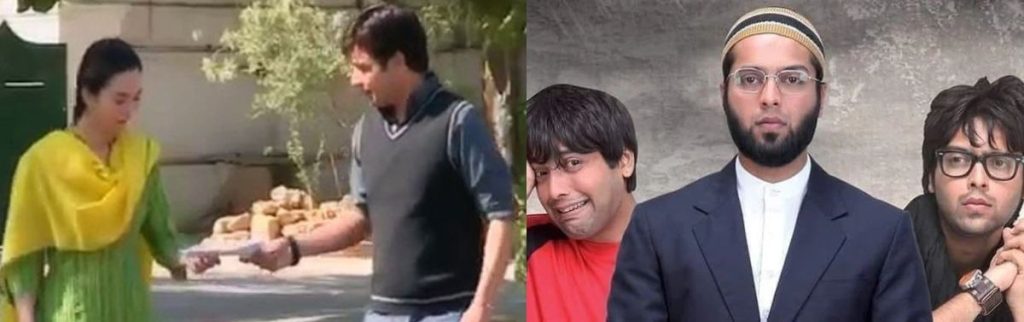
These tracks were not just theme songs anymore. They were hits in their own right, circulating on FM radio, appearing on CDs, and becoming part of everyday listening. After their success, drama producers realised that a strong OST is not just a decoration. It brings in audiences, and the audiences bring ratings.
Humsafar: The Earthquake That Changed Everything
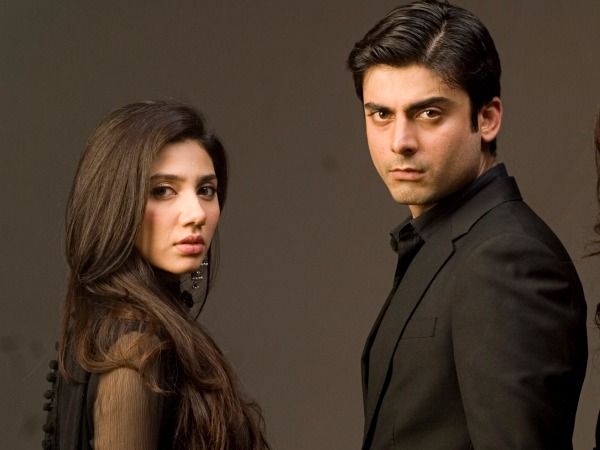
While the above-mentioned songs paved the way for a new industry, Humsafar came out in 2011, and it changed the whole industry. Qurat-ul-Ain Balouch’s “Woh Humsafar Tha” wasn’t just an OST; it was a cultural shockwave.
It played on every radio, travelled across USBs, crossed borders into India and the Gulf, and reached audiences who had never even watched the drama. The pairing of Fawad Khan and Mahira Khan, combined with QB’s raw, aching vocals, turned the OST into Pakistan’s unofficial national anthem.
From this point onward, no producer ever underestimated the power of soundtracks again.
The OSTs That Redefined the Game
After Humsafar, the floodgates opened.
Khaani (2017): Rahat Fateh Ali Khan’s stirring vocals helped the OST away from the drama and become a hit of its own.
- Suno Chanda (2018): Farhan Saeed’s joyous track became a Ramadan and a mehndi-season favourite.
- Meray Paas Tum Ho (2019): Rahat returned with a song that became the sound of heartbreak across Pakistan.
- Parizaad (2021): Asrar’s haunting voice captured the drama’s emotional weight perfectly.
- Tere Bin (2022): Shani Arshad’s OST became a global obsession, dominating playlists and trending across borders.
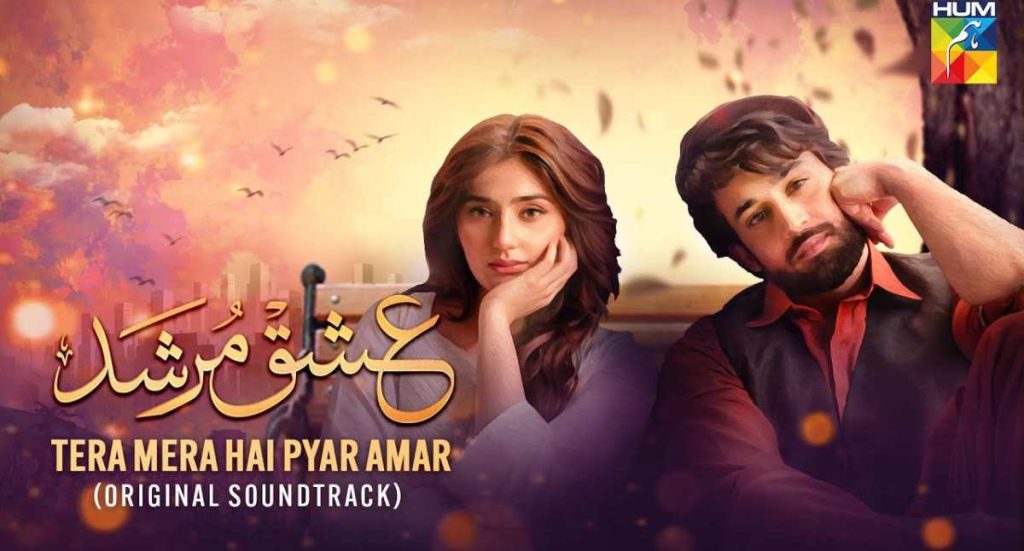
- Ishq Murshid (2023): Ahmed Jahanzeb’s emotive and addictive vocals made it one of the most viral OSTs of the year.
The New OST Economy
Today, OSTs are no longer just songs; they drive an entire industry built around attention, streaming, and viral culture. And at the centre of this new ecosystem are the artists whose careers now rise and evolve through drama soundtracks.
For new singers, OSTs have become the biggest launchpads. Take Nabeel Shaukat Ali, despite winning Sur Kshetra in 2012. True mainstream recognition came only when he stepped into the drama world with OSTs like Shukk (2013) and later Do Bol (2019). These tracks not only showcased his voice, but they also embedded him into everyday listening, turning him into a household name.
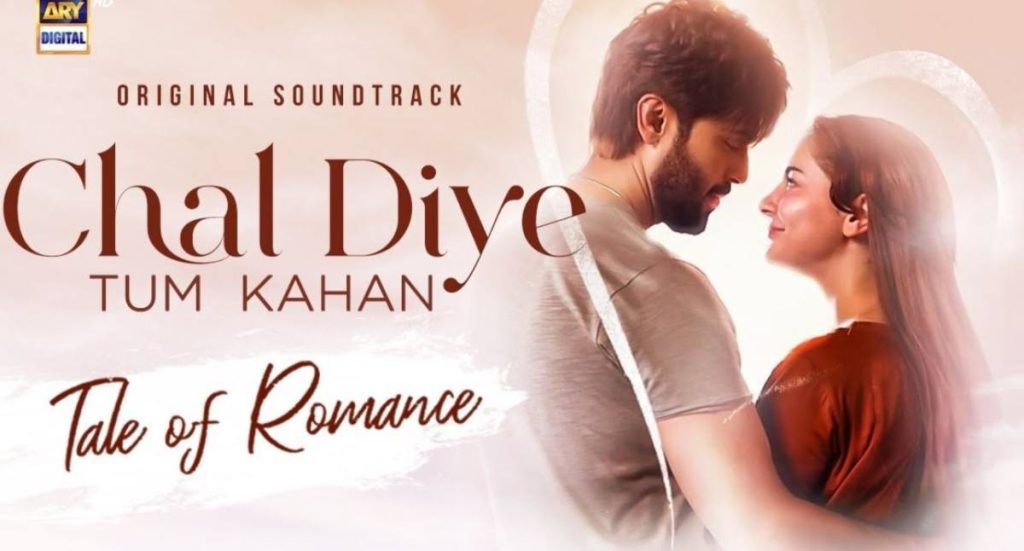
The same shift happened with AUR, a band that was already buzzing online but still largely confined to younger listeners. Then came Chal Diye Tum Kahan, the OST of Kabhi Main Kabhi Tum in 2024, and suddenly they were everywhere, embraced by audiences across generations, played in cars, weddings, reels, and on the radio. One drama soundtrack did what months of social-media momentum could not do.
OSTs have also revived careers that were once slowing down. Ahmed Jahanzeb is the most striking example. His early 2000s classic Kaho Ek Din was a phenomenon, but the years that followed didn’t bring the same scale of success. Then Ishq Murshid arrived in 2024. With one soaring, emotive soundtrack, he was thrust straight back into the national conversation. Earning millions of views and reminding listeners why his voice once dominated Pakistani pop.
Rahat Fateh Ali Khan’s journey also tells a similar story, although he built a legendary career in Bollywood, the ban on Pakistani artists limited that path. In many ways, OSTs kept him not only relevant but central to South Asian music. Every few years, a new drama track of his tops charts and reintroduces him to a fresh audience, proving how vital OSTs have become in sustaining artistic longevity.
This ecosystem is strengthened by streaming. Platforms like Spotify, Apple Music, Instagram and TikTok have changed not just how Pakistanis listen, but what they listen to. Drama soundtracks now routinely outperform commercial singles, an unusual phenomenon globally. An OST is no longer limited to drama fans. It finds its way into gym playlists, heartbreak edits, wedding montages, and road-trip queues. The soundtrack has become the star.
Producers have adapted to this shift with a strategy. It is now common for an OST to drop before the drama itself. Setting the tone and building hype weeks in advance. A strong soundtrack boosts trailer engagement, drives early episode views, dominates Instagram reels, and sparks word-of-mouth before the first episode even airs. Dramas like Tere Bin and Kabhi Main Kabhi Tum prove how a song can carry a show. Sometimes becoming bigger than the show itself.
And then there’s the cross-border factor. Indian audiences, Gulf viewers, the UK, and the global Pakistani diaspora play an unexpectedly large role in the OST boom. Indian editors use Pakistani OSTs in edits and vlogs; reaction channels dissect every new release; TikTok creators turn these songs into viral loops. Every share, every remixed clip, every reaction video sends new viewers back to the drama, creating a continuous cycle of growth.
In the modern Pakistani entertainment industry, an OST is no longer an accessory. It is a marketing tool, a cultural bridge, a streaming magnet, and for many audiences, the first reason they press play on a drama. Sometimes, it becomes the reason they stay.
The Anthem of Modern Pakistani Entertainment
The real magic of OSTs lies in the way people connect to them. In Pakistan, you might skip the recap, but you never skip the title track. These songs hold stories of longing, heartbreak, innocence, faith, nostalgia, and resilience. They echo in a society where emotions are often felt deeply but spoken softly, and where art becomes the language for everything left unsaid.
If Pakistani dramas are our weekly family gathering, then OSTs are the music that lingers long after the lights dim. The soundtrack to our victories, our heartbreaks, our weddings, our routines, our late-night reflections. In a landscape where mainstream pop often struggles to stay afloat. It’s the drama soundtrack that keeps the pulse of Pakistani music alive.
These songs are no longer just fillers between scenes; they have become cultural landmarks, emotional signposts, and digital sensations. In many ways, they serve as the true anthems of modern Pakistan. As our dramas travel from Karachi to Kolkata to Kuala Lumpur, reaching audiences who may not speak our language but somehow share our feelings. It is the OST that moves the story forward, long after the final episode has aired.