

Coke isn’t just a brand anymore; it has created a universe. And inside Coke Studio’s universe, every note, lyric, and frame is a doorway. It turns music into storytelling, culture into connection, and sound into a global bridge that transcends language, borders, and expectations.
I don’t speak a word of Pashto nor even enough to exchange greetings. But my most-played song for two years straight is, in fact, in Pashto. This will mark the second year in a row that ‘Harkalay’ from Coke Studio Season 15 has been my top-streamed song, according to Spotify Wrapped. The song is in Pashto and English. Interestingly, something in the song transports me to their world every single time, as promised in the song’s narrative itself. It hits with a force that bypasses language entirely and goes straight to the heart.
The video of the song delivers a message as generous as it is gentle: even if our lives look different, there is always space for you in our hearts. It also becomes an overdue love letter to Pashtun culture, honouring traditions often dismissed or forgotten.
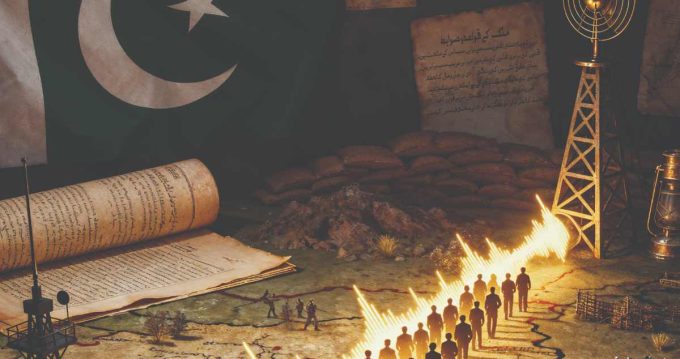
One such tradition appears like a memory woven into the visuals: in times of drought, children with coal-darkened faces wander from home to home, bowls cupped in their hands, offering prayers for rain. Neighbours respond with grains (wheat, chickpeas, pulses, etc.). Which the community later cooks and shares before gathering for a collective prayer.
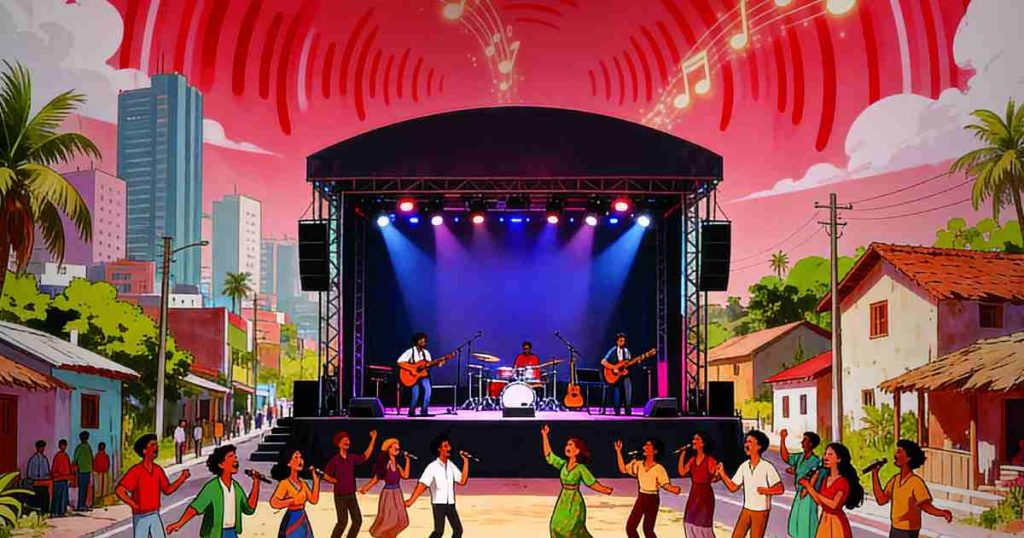
To me, Harkalay was a huge reminder that music in today’s day and age is not made to purely entertain, but to inspire and to carry worlds within itself. In fact, the entirety of Coke Studio, especially Season 15, stands as a testament to this narrative.
Music has always carried the immense power to blur the man-made boundaries of language, geography, and beliefs. That boundlessness is exactly what Coke Studio tapped into when it first arrived in 2008.
Conceived by Nadeem Zaman and musically shaped by Rohail Hyatt. It reintroduced Pakistan to the vastness of its own musical heritage. Blending folk, classical, and Sufi traditions with modern arrangements in a way that felt both familiar and entirely new.
For over a decade, Coke Studio bridged generations and geographies, morphing cultural specificity into something universally felt. It was known for bringing all the big artists together, producing major hits such as Tajdar-e-Haram over the years. But the traditional format was bound to appear monotonous at some point, especially considering the continuously shortening attention spans.
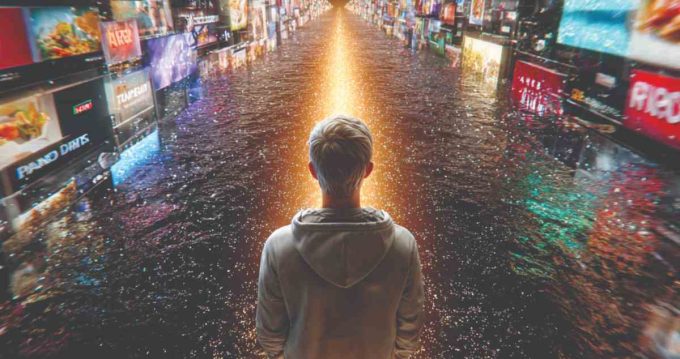
When Coke Studio’s primary USP is their videos featuring live musicians and artists. Would good music with a format that has been the same for the past decade be enough to sell the platform?
When Zulfiqar Jabbar Khan (Zulfi) took over in Season 14. The platform entered a bold new era, one defined by fearless experimentation, narrative-driven visuals, and collaborations that resonated far beyond Pakistan’s borders. I think it was when Pasoori from Season 14 blew up all across the world that the clear shift in the Pakistani music industry took place.
Many shows across South Asia later attempted the same formula, but none captured the alchemy of Coke Studio. The show is adapted by different countries worldwide, but failed to meet the bar set by Pakistan. Is it because they are making bad music, using unpopular artists? No and no.
Then what is it that’s so unprecedented that Coke Studio Pakistan is doing here. And why is nobody else able to pull it off? Let’s do a surface-level analysis first. In Season 14, two out of fourteen songs had fluid, conceptual music videos. Pasoori, the first song that broke the charts, was in collaboration with one of the most respected classical dancers of her age, Sheema Kermani. Kana Yaari, with its own separate fanbase, blew up after Coke Studio collaborated with the famous dance group, Quick Style.
When we talk about Coke Studio Season 15, it becomes clear that Zulfi still does not receive the full credit he deserves for the standards he has been quietly and consistently raising. His vision shows up everywhere. In the curation of unexpected collaborations. In the way he uncovers voices we might never have heard otherwise, and in the cinematic quality of the storytelling itself.
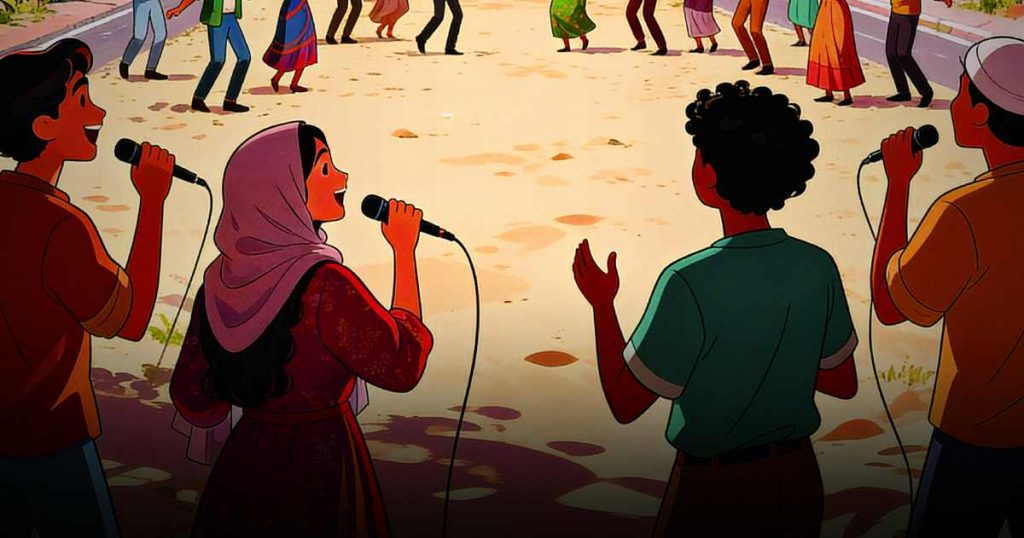
Season 15 also widened its horizons with two international collaborations: the magnetic energy of Quick Style and the globally acclaimed Norwegian duo, Karpe. Signalling that Coke Studio Pakistan is no longer just a Pakistani project, but also a cultural bridge. And then, of course, there was the long-awaited return of Kaavish. A reunion that hit the audience with the kind of nostalgia only a beloved band can summon.
If we look closer, we realise something simple but profound. Every song that went viral or broke into global charts did so because it felt deeply, unmistakably human. In Season 15 especially, the entire foundation rested on representing Pakistan’s multicultural identity, its languages, rituals, histories, folk stories, and the beauty of its people. Each track became a window into a different cultural universe. Collectively, a reminder of how welcoming this country truly is.
Every release came with a fully conceptualised music video, symbolic, and held together by thoughtful art direction that turned sound into narrative. Season 14 hinted at this shift. The songs I mentioned earlier rose to fame because they captured cultural identities in small, intimate ways. They made artists look real, grounded, and human rather than staged or untouchable. When you honour the details that make people feel seen, they give you their loyalty in return.
Before this evolution, most Coke Studio visuals followed the traditional template. A beautifully designed studio, the vocalist centre-stage, musicians arranged neatly around them, everything performed live. The songs were undeniably stunning. But the visuals rarely offered audiences something to unpack, discuss, or be inspired by.
What changed in recent seasons was the understanding that music today isn’t just heard, it is experienced. That shift transformed Coke Studio from a music platform into a storytelling universe. Then there is the Magical Journey series, featuring the making of each song. From searching for the right artists to brainstorming the thought behind the music video, and then the final production.
Every bit of the process is captured in a documentary style, all raw, with the artists baring all their emotions, fears, and vulnerabilities. What makes the series so special is how democratic it is in its storytelling.
You don’t just hear from the singers! You hear from the wardrobe stylist who built the visual identity, the set designer who created the world they stand in. The music producer who shaped the emotional arc. Everyone involved becomes part of the narrative, and you, as a viewer, feel like you are walking alongside them as a witness to their entire journey.
One line from Zulfi in the Magical Journey of Kana Yaari has stayed with me ever since: “We are giving the visuals the same importance. So now we’re not just capturing the musicians performing, we are capturing their narrative, their story.” It is a single sentence, but it perfectly sums up the philosophy that Coke Studio embodies to bring about a whole shift in the music industry. Where music serves as narrative, visuals convey meaning, and stories act as the bridge that connects everything.
What platforms like Coke Studio and artists like Zulfi are showing us is that creativity flourishes when we stop treating culture as a limitation and start treating it as a possibility. A multilingual track, Piya Piya Calling, stitched with five identities, languages, and cultures, isn’t just another song. It is an experiment most would not even dare to attempt.
It still surprises me that I fell in love with a song whose language I couldn’t translate. Yet somehow, it translated me. With experiments like these on the table, ‘playing safe’ for creatives feels almost outdated, doesn’t it? Because if a song can travel across cultures, languages, and continents, our ideas should at least travel past the first draft.