
Advertising is the art of building a shared cultural vocabulary. It is the bridge between a product’s utility and a consumer’s desire, using narrative to turn a brand into a household name.
In Pakistan, advertising means even more; it is a mirror to society, a massive economic engine, and an industry that has historically defined our pop culture, our national jokes, and the jingles we can’t get out of our heads.
Yet, looking at the industry today reveals a landscape of deep contradiction. On the outside, it looks glamorous: slick camera movements, star-studded sets, and creative energy. But anyone who has spent a night on a chaotic set or in a tense boardroom knows the real story.
Behind the famous spots that capture the public’s imagination lies a world of unrelenting pressure, sleepless nights, creative gridlocks, delayed payments, lack of regulatory frameworks. And the constant friction of tight budgets, directors’ vision and clients’ fear of trying anything new.
To make things more complicated, the industry is changing fast. We are right in the middle of a massive shift. The days when a single big TV commercial and a few massive billboards along Main Shahrah-e-Faisal or Gulberg could carry an entire campaign are over.
Now, audiences are scattered. Brands are scrambling to figure out TikTok, UGC, and digital content that changes by the hour. Television still delivers unmatched mass reach, but cultural relevance has largely shifted online, where conversations move faster than agencies and traditional brand structures can track.
Issues of ownership and plagiarism remain persistent, especially in a space where content circulates and mutates rapidly. The result is an industry split between legacy systems built for scale and a digital ecosystem that evolves in real time, often outpacing the frameworks meant to regulate it.
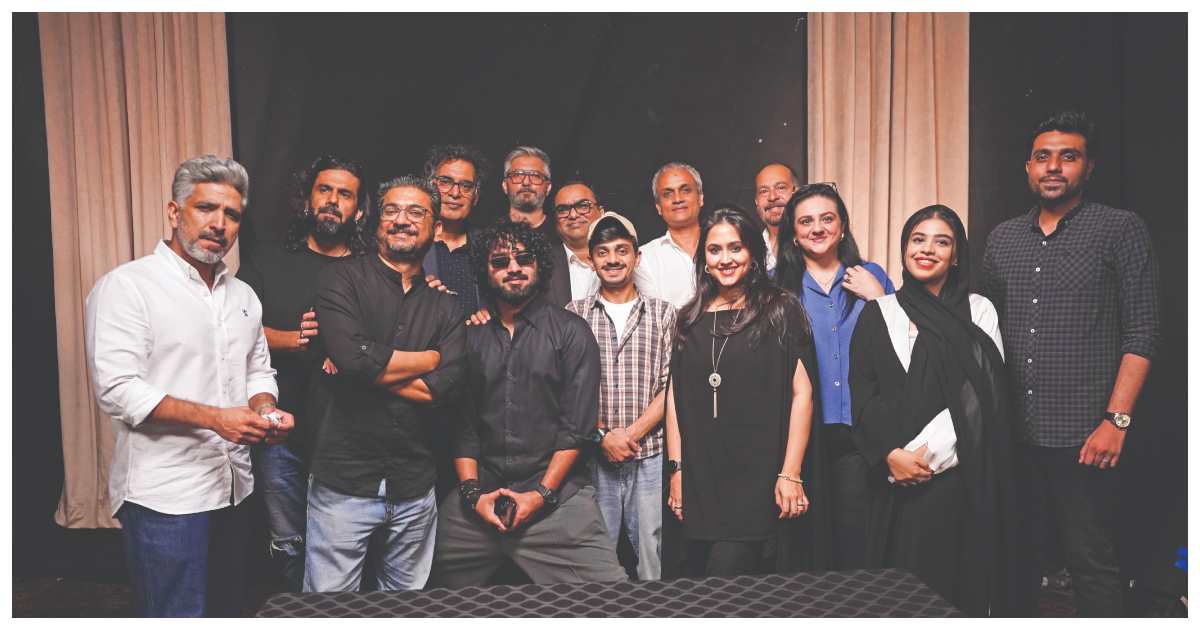
This complex reality was recently laid bare during a panel hosted by Brandsynario, produced and directed by Manahil Kapadia.
Following an inaugural session featuring some of Pakistan’s leading journalists in modern times, the second edition marked a first of its kind, bringing together some of the country’s most definitive creative minds.
Saqib Malik, Ahsan Rahim, Zaheeruddin Ahmed, Fida Moin, Umair Nasir Ali, Murtaza Chaudhry, Umar Anwar, and Babar Sheikh, moderated by Omair Alavi.
Never before had so many of Pakistan’s leading advertising directors and filmmakers shared the same stage for such an open conversation.
The panel addressed structural issues that the industry rarely discusses openly. The filmmakers highlighted a culture where clients play it safe yet expect groundbreaking work, demanding masterpieces while limiting the creative freedom needed to deliver them.
They didn’t hold back on the industry’s systemic flaws either, pointing out the hypocrisy of local ad awards that feel less like a celebration of merit and more like a game of “who knows who”, nepotism without the blood ties.
The panellists also highlighted the internal bias within Pakistani advertising, where the industry automatically assumes foreign or Indian talent is superior and often praises them for work that local directors could execute in their sleep.
Beneath the corporate politics, the roundtable laid bare the human cost of the business: the looming disruption of artificial intelligence and the glaring lack of sustainable working standards or basic welfare for production crews, who bear the physical brunt of these shifting demands.
The discussion served as a vital reality check. Pakistan possesses immense directorial talent and world-class technical execution, but the industry’s next evolution won’t come from better tech or bigger digital budgets alone.
For Pakistani advertising to truly break through its current ceiling, agencies and clients must learn to trust the director’s narrative vision, while the industry at large must commit to protecting the human capital that builds these stories from the ground up.
Omair Alavi – Broadcast Journalist
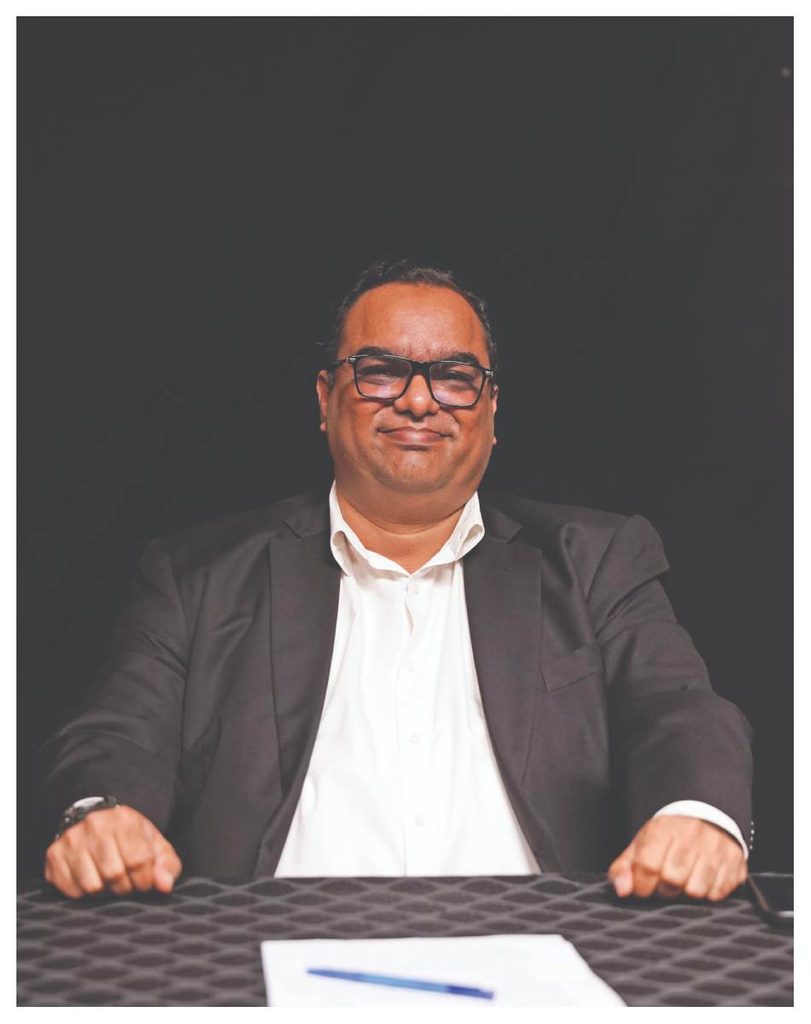
Journalist, film critic, and media personality, Omair Alavi has spent more than two decades covering sports and entertainment.
He has contributed to leading publications, interviewed some of Hollywood’s biggest stars and consistently championed Pakistan’s entertainment industry.
As moderator of The Not So Roundtable roundtable, he guided the discussion with thought-provoking questions that encouraged honest reflection, ensured every panellist felt heard.
And steered the conversation beyond surface-level industry talk, driving the core thesis toward exploring why modern Pakistani advertising struggles with longevity and how power dynamics have shifted away from directors.
“Creators should be given importance, especially the person who is ultimately bringing the final product to life, which unfortunately isn’t happening enough in our industry right now.”
Saqib Malik – Filmmaker, Producer & Director
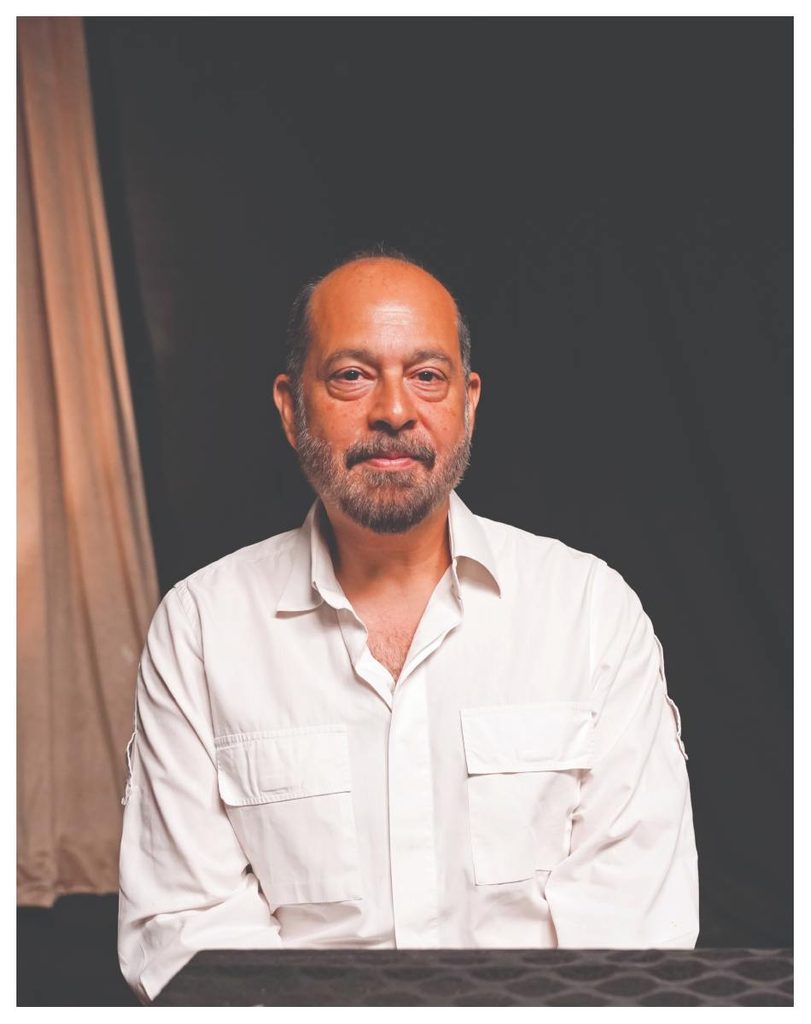
One of Pakistan’s most celebrated advertising filmmakers, Saqib Malik has spent over three decades shaping the country’s commercial landscape, creating iconic campaigns.
He made his feature film debut with Baaji (2019), which earned both commercial success and international festival recognition.
During the discussion, Malik reflected on advertising’s golden era, the importance of collaboration, and the industry’s growing disconnect from the creative partnerships that once defined it.
Attributing the decline in audience recall to a fragmented digital landscape overwhelmed with content clutter, quite unlike the era of a single television channel, where repeated ads naturally stuck in the viewer’s mind.
“Back then, there was only one channel where an ad ran repeatedly every day, so it stayed with you. Beyond nostalgia, the sheer volume of ads today makes recall
much harder.”
Ahsan Rahim – Director, Owner of Tadpole Films
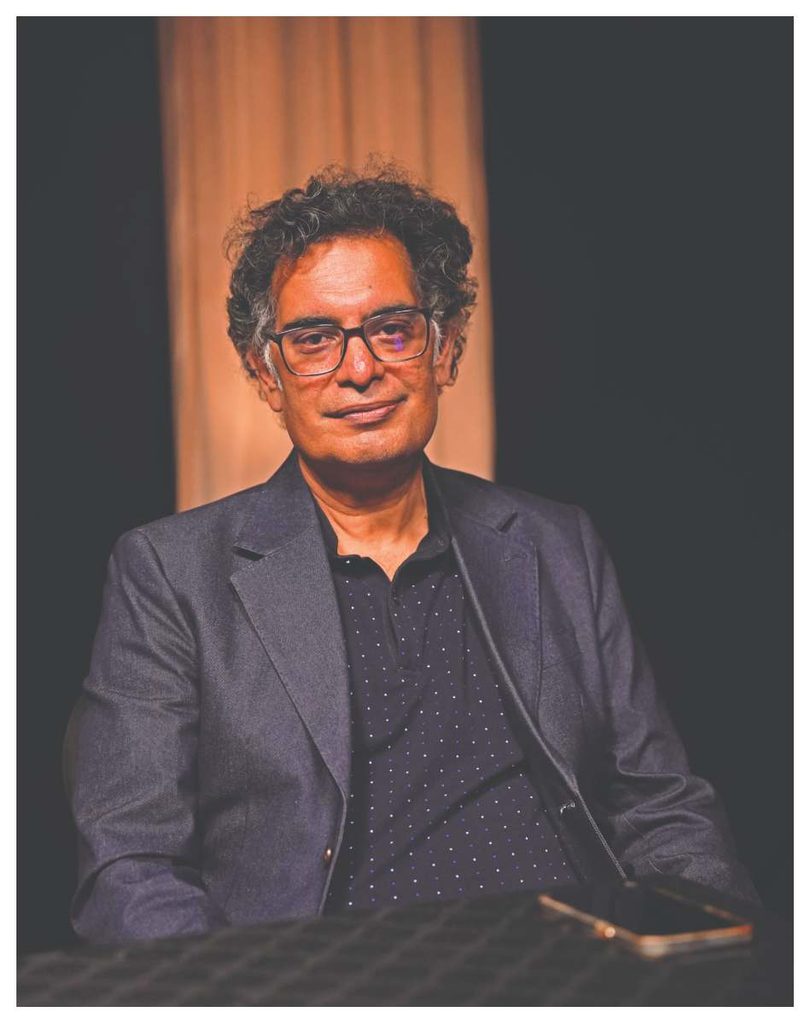
A renowned director and creative force behind some of Pakistan’s most memorable music videos and commercials — including the legendary, comedic Ufone campaigns — Ahsan Rahim is best known for directing the hit feature film Teefa in Trouble.
And continues to be a prominent figure in the country’s entertainment industry. He spoke about the decline of memorable advertising, arguing that humour, insight, and relatable human observations are what audiences continue to remember.
He noted that a resonant, culturally sticky creative concept creates an enduring public identity for a director far more effectively than high-budget corporate videos.
“Whenever custom officials or people at the airport asked what I did, and I named big corporate brands, they would look at me blankly. But the day I said ‘I made the Ufone ads,’ everything clicked.”
Zaheeruddin Ahmed – COO, Director, Founder of iDcreations & Dareechay Films
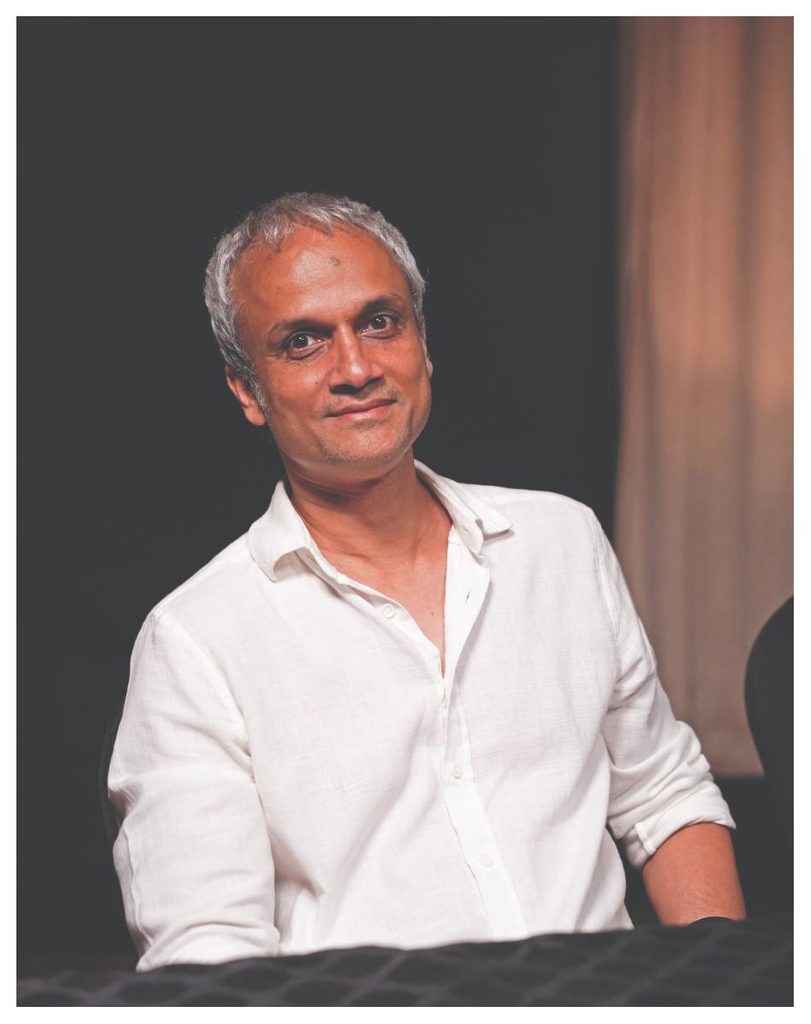
Writer, director, and creative visionary, Zaheeruddin has spent two decades crafting some of Pakistan’s most recognisable advertising campaigns.
Known for combining powerful storytelling with cultural insight, he recently expanded into cinema with his feature film Chikkar.
During the roundtable, he emphasised the importance of emotional depth, meaningful storytelling, and stronger collaboration within creative teams, shedding light on the friction between a filmmaker’s vision and layers of corporate approval.
Warning that an influx of multiple stakeholders often dilutes a strong creative concept before it ever reaches the screen.
“You’ll meet producers and clients who tell you that they are the sole drivers of the product, but the craft only truly shines when you let the person whose craft it actually is do their job.”
Umar Anwar – Ad Film & Music Video Director
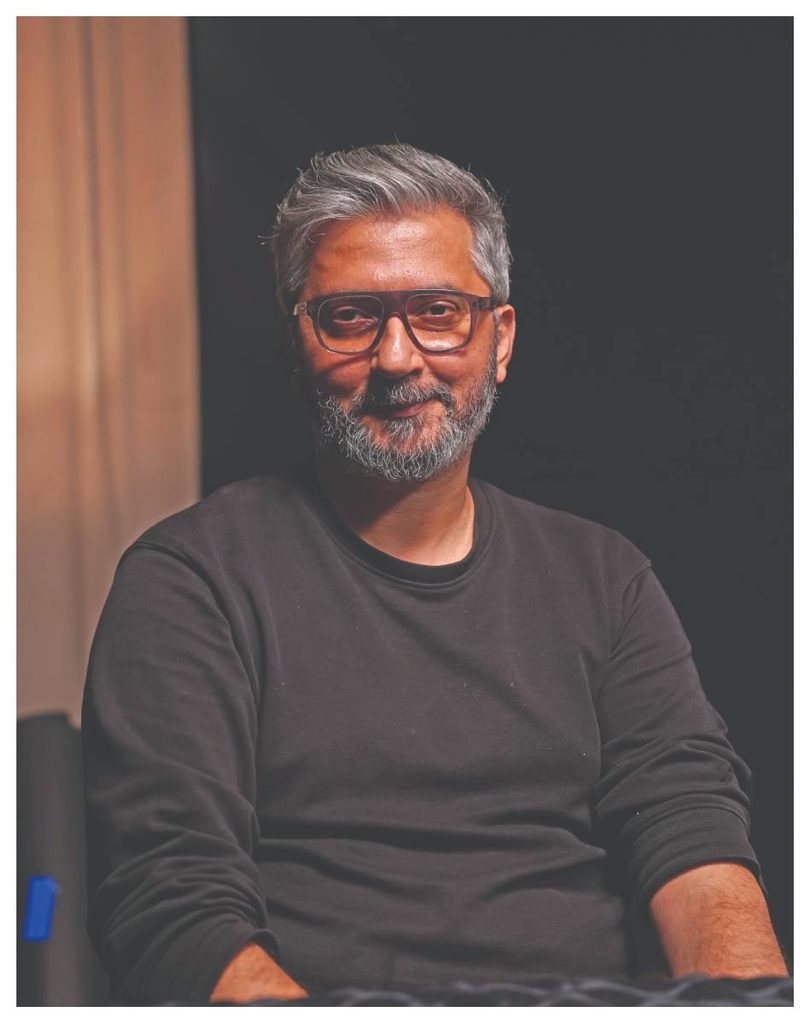
Best known for directing the iconic music video for Aadat, Umar Anwar has played an influential role in shaping Pakistan’s music video landscape through his distinctive visual storytelling and creative direction.
Alongside Babar Sheikh, he championed the urgent need for structural industry reform, professional frameworks, and strict labour standards, highlighting that preserving a director’s vision, creative freedom, and discipline is impossible if the foundational workforce and production ecosystem remain systematically strained.
“We need to realise that these professional parameters apply across the board, if we don’t start structuring the system ourselves, the systematic exploitation of the creative process will simply continue.”
Fida Moin – Director & Photographer
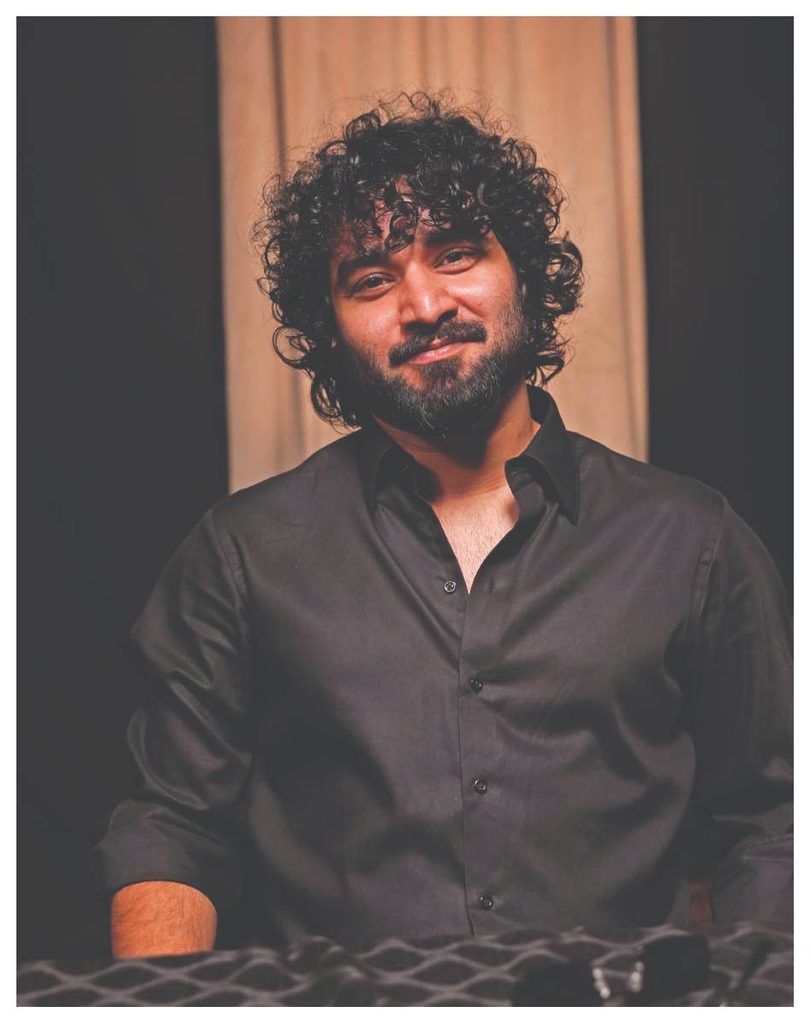
Photographer and advertising filmmaker, Fida Moin brings a unique visual perspective to storytelling, blending artistic sensibilities with commercial filmmaking across a diverse body of work.
He stressed the value of common sense, authenticity, and genuine human connection in effective storytelling, bringing a grounded perspective to the panel by focusing heavily on behind-the-scenes production realities.
And demanding that systemic operational inefficiencies be resolved to protect the well-being of the creative crew and on-set technicians.
“When you step behind the set and see fifteen people from the crew sleeping exhausted right there on the floor, it shows how much we need to fix the actual working environment.”
Murtaza Chaudhry – Director & Writer, Producer
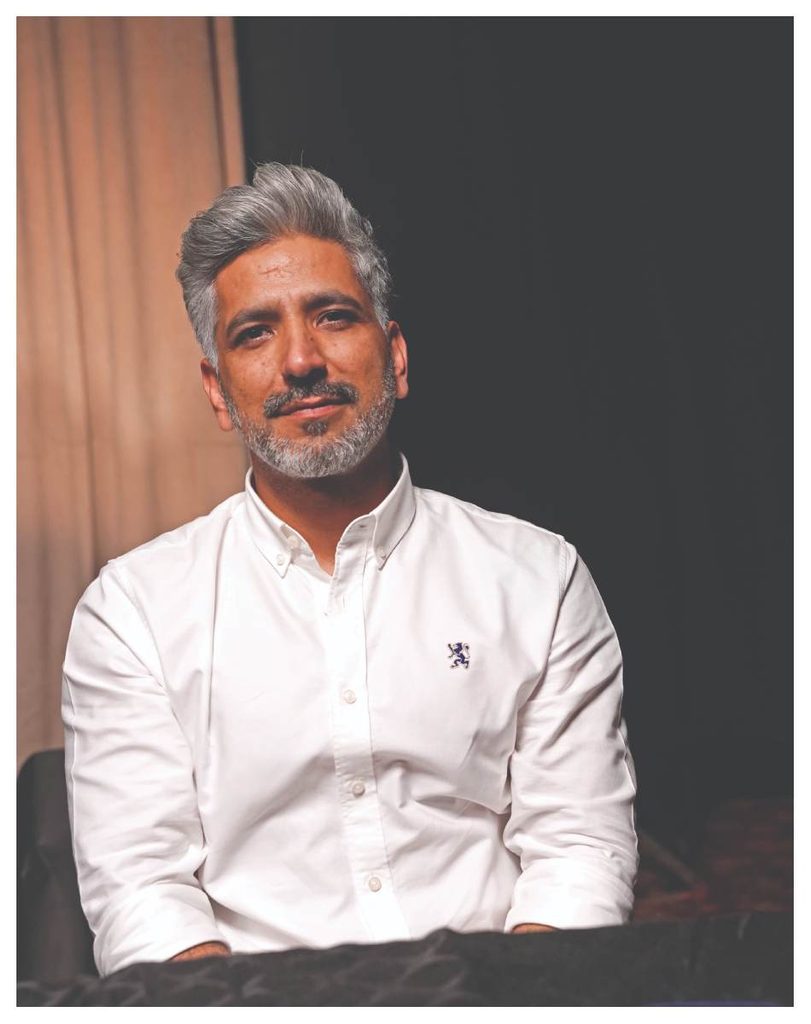
Director, writer, producer, and one of the creators of Pakistan’s pioneering satirical television programmes, Murtaza Chaudhry has built a career spanning television, film, stand-up comedy, and social commentary, including the critically acclaimed film Quetta.
Bringing humour and candour to the conversation, he challenged industry norms and questioned the growing reliance on external creative references, emphasising that genuine human insights cannot be replaced by cookie-cutter briefs.
And that great commercials are born from closely observing everyday society rather than copying international trends.
“Great insights are always right there around you in your daily surroundings; you just have to tune yourself to see them and bring them to life.”
Babar Sheikh – Ad Film Director, Writer, Producer & Performance Artist
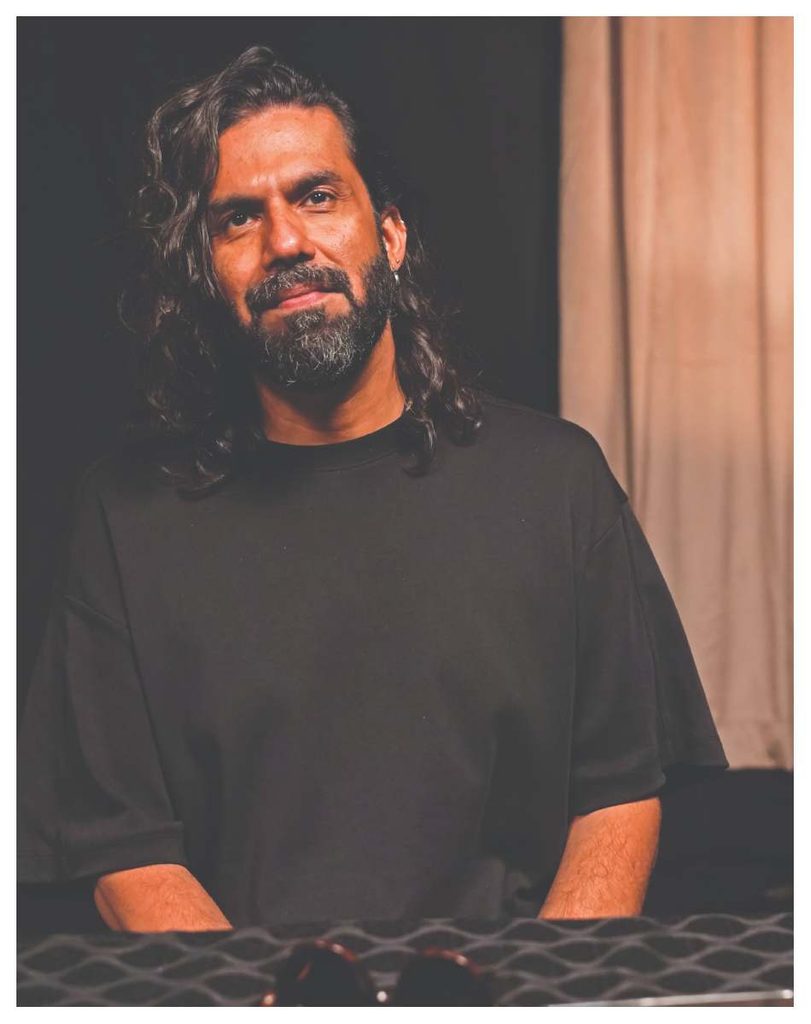
An interdisciplinary artist, filmmaker, musician, and academic, Babar Sheikh’s work bridges creative practice and education, offering a multidisciplinary perspective on storytelling and visual culture.
He reflected on originality, creative craft, and the changing nature of inspiration in contemporary advertising.
Forcefully arguing that the industry cannot mature creatively unless it restructures the system to eliminate the systematic exploitation that continuously targets the labour working at the lowest tiers of the production hierarchy.
“This systematic exploitation will keep happening until we completely restructure the system. The worst hit is always the labour working at the lowest tier of the hierarchy.”
Umair Nasir Ali – Film, Ad Director & Founder of Num Films
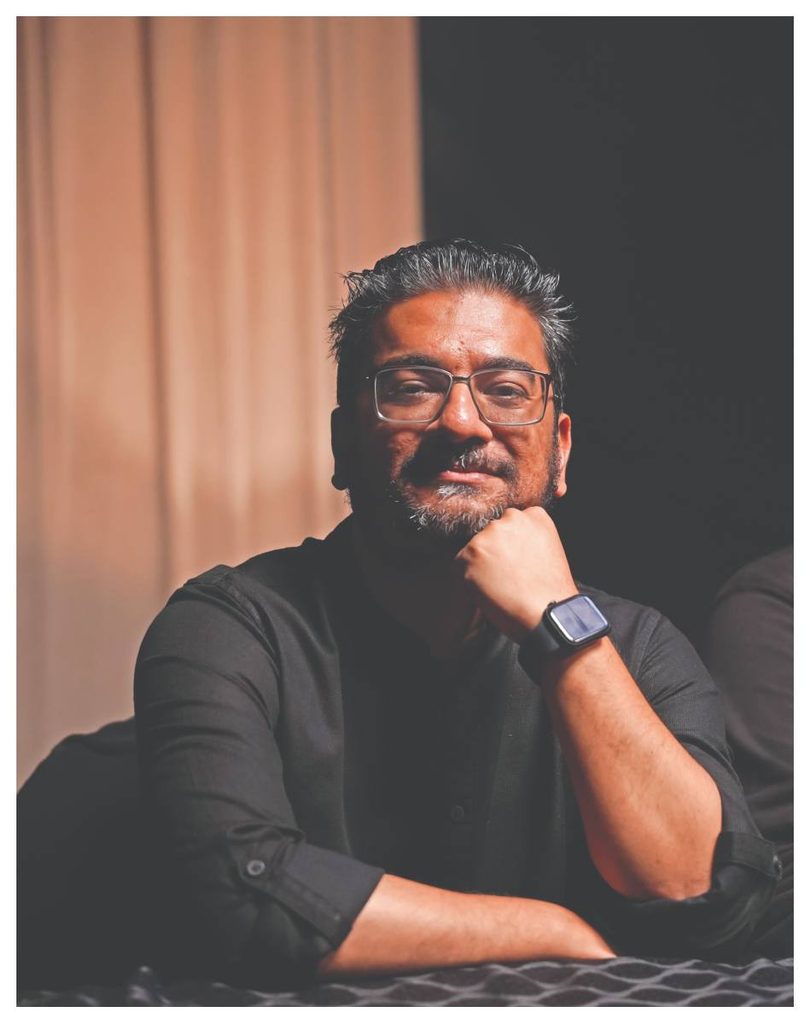
Founder of Num Films and an award-winning advertising filmmaker, Umair Nasir Ali has spent over fifteen years creating impactful campaigns for leading brands.
He recently made his feature film debut with Nayab (2024), a sports drama set in Karachi.
During the discussion, he highlighted the importance of recognising creative talent behind the scenes and welcoming fresh voices into the industry, exploring how data-driven metrics and safe formulas.
And micro-management from agencies and clients frequently stifle the intuitive, artistic choices necessary for groundbreaking storytelling.
“A lot of times, our creative isn’t allowed to reach its full potential because the final execution gets heavily constrained by too many layers of gatekeeping.”