
How Rockstar used scarcity, internet memes and fan anticipation to turn GTA 6 into a global marketing phenomenon without relying on traditional advertising.
In a time when most blockbuster releases spend millions on advertising and promotion over several years, promoting their games through rigorous sponsorship deals, massive TV spots and more, Rockstar Games took a very different approach with arguably the biggest game ever, Grand Theft Auto 6.
Obviously, Take-Two had an enormous budget to work with, but instead of splurging all of it on these massive deals, the company took a much more muted approach, where silence was the real mystery.
Its actual marketing only began in the last few months, and even that didn’t involve traditional brand sponsorships.
Scarcity as a Marketing Superpower
Most modern marketing playbooks follow a specific formula: stay relevant by keeping fans in the loop with weekly updates, playable demos, press junkets, and teasers or trailers at almost every major gaming showcase.
This builds hype but kills the mystery; Rockstar did none of that. In fact, we got our first look at the gameplay just a couple of months ago, in late August.
It was released in collaboration with Netflix and was a timed exclusive at launch. This was such a brilliant move, as it positioned the title not just as any other game, but as a mainstream cultural event.
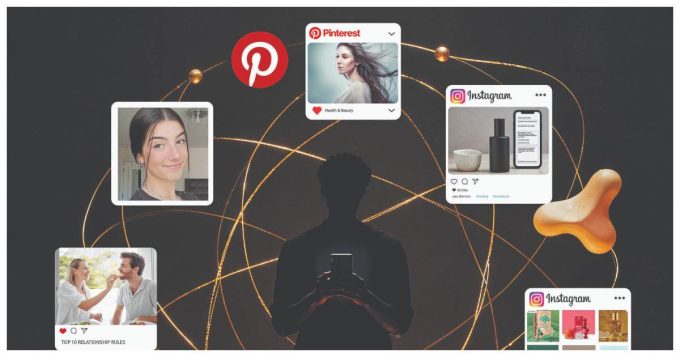
Also, mystery builds anticipation, so every little Instagram post and minor development update generated so much hype that it broke the internet.
By withholding constant updates, Rockstar prevented audience fatigue and ensured that anticipation continued to compound over the more than twelve-year gap following Grand Theft Auto V.
How Internet Memes Became Free Global Billboards
This is perhaps the most interesting part of the whole marketing campaign. The constant delays and secrecy led to various memes. The phrase “We got [X] before GTA 6” evolved into one of the most pervasive memes of the decade.
Whenever a bizarre celebrity moment occurred or something unusual happened, fans would flood the internet with the meme, keeping GTA 6 as relevant as ever and helping Rockstar achieve incredible organic reach without any additional marketing activity.
The game ceased to be merely an upcoming product and became a cultural timestamp. Brands, sports teams and mainstream media outlets began referencing the game just to tap into the conversation.
Turning Trailers Into Mega Events and Community Puzzle Boxes
The first trailer for GTA 6 arrived 10 years after the last game. We will talk about everything surrounding the drop later in the article, but let’s first talk about what it showcased. It essentially had no gameplay and was just a first look at in-game footage mixed with cinematics.
But in typical Rockstar fashion, they threw in many little Easter eggs and references from the real world and older GTA games, creating a sort of community puzzle to decipher. This absolutely worked, as the trailer broke records for views and engagement.
Every frame from each of the trailers that followed was engineered to be paused, zoomed in on and examined for finer hidden details. The fan engagement was there, but it also led to some big free marketing perks, with YouTube videos and Reddit threads breaking down every inch of the trailers.
Flipping Leaks Into High-Impact Momentum
Where most companies would panic in response to major leaks, issue defensive statements or scramble their schedules, Rockstar remained composed. The first trailer for GTA 6 was scheduled to be released on 5 December 2023, but it was leaked online a day earlier.
Rockstar Games embraced the leak and, instead of panicking, released it in 4K just a few hours later. This provided unreal momentum, as fans had already seen it and loved it, but since it was low quality, they wanted to see it in all its glory.
For the most part, Rockstar and Take-Two were quite secretive, but when they did step into broader media partnerships, such as opening pre-orders in June 2026.
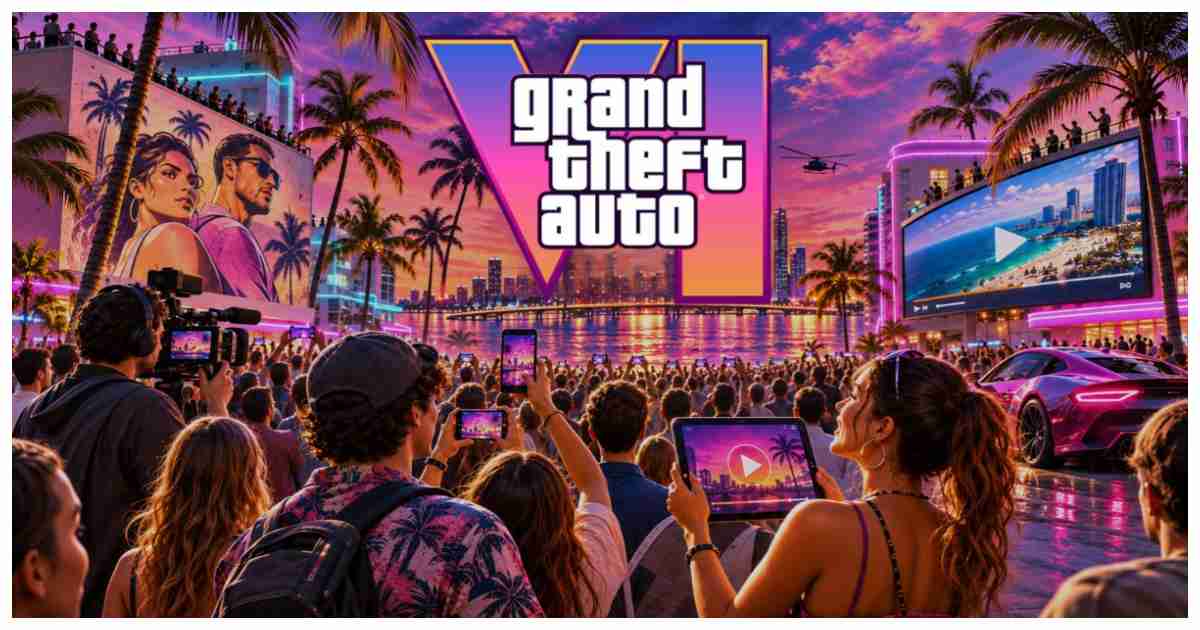
Premiering an extended look on Netflix in August 2026, and deploying select outdoor murals and billboards in major cities like Miami, New York and Los Angeles right before release, those moments felt like victory laps rather than desperate pleas for attention.
Why Saying No to Brands Built Deeper Fan Trust
Another prominent pillar of the whole marketing campaign was how the publisher stayed away from any sort of in-game advertising. Despite Vice City arguably being the most popular in-game city, every soda bottle, every restaurant and every product placement you see in GTA 6 is purely built for the game.
By protecting the authenticity and satirical bite of its world, Rockstar reinforced fan trust. That credibility is the bedrock of Rockstar’s marketing power: when a brand consistently delivers landmark quality, consumers treat its releases not as advertisements, but as events.
This is also what makes Rockstar different from other games. Most publishers and studios would include product placements in their titles and charge millions to offset their development budgets. But the studio knew how huge the anticipation was, and they let the sales do the talking.
What Other Brands Can Learn From Rockstar’s Playbook
Rockstar’s GTA 6 rollout proves that in an oversaturated digital landscape, volume is no longer a substitute for conviction. While smaller brands cannot replicate a decade of built-in franchise equity overnight, the underlying principles apply across industries.
Invest relentlessly in the craft of the product itself, maintain a distinctive visual and tonal identity, resist the urge to fill every quiet week with disposable content, and give your audience something rich enough that they want to share it for you. When the product itself is engineered to be the spectacle, traditional advertising becomes an afterthought.