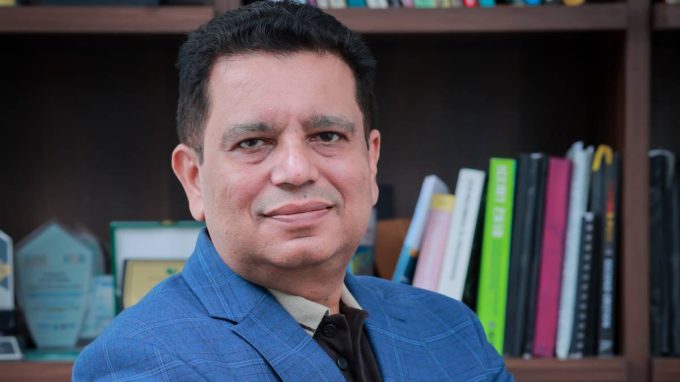

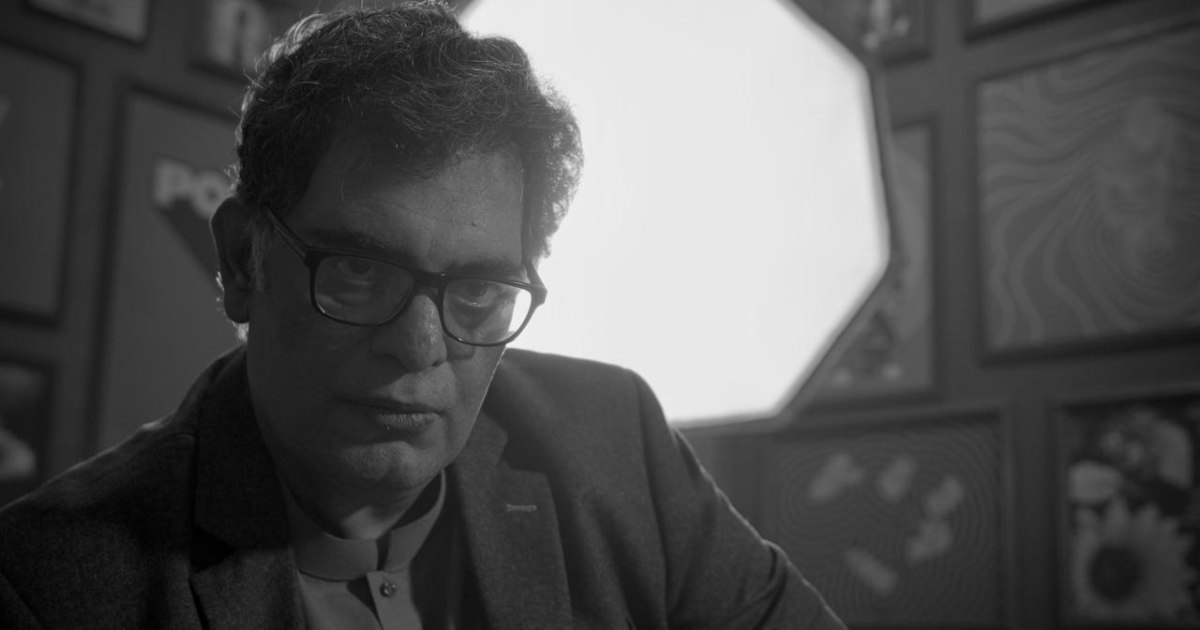
Few directors have influenced Pakistan’s creative landscape like Ahsan Rahim. His work blends timing, instinct, and irreverence in a way that feels both effortless and deliberate. In this exclusive conversation, he opens up about filmmaking, the future of creativity, and why no algorithm can replicate the human touch behind a great story.
By Ayesha Anjum
Synergyzer: What is your take on AI? Do you think it will take over mainstream or creative careers?
Ahsan Rahim: AI is a tool, not a replacement. It can assist with speed and visualisation, but intuition, timing, and cultural nuance cannot be coded. Creativity is still human territory. It cannot capture instinct, humour, or that split-second decision that changes a scene’s entire mood. Creativity does not come from data; it comes from lived experience, emotion, and timing. You can feed AI endless scripts, but it won’t understand why a moment feels powerful. So yes, it will reshape workflows, but it will not replace the human spark that drives storytelling.
Synergyzer: Is Pakistan’s creative industry prepared to address plagiarism and originality issues with AI content?
Ahsan Rahim: Not yet. We do not have the laws or systems in place to deal with what’s coming. If a machine mimics my directing style, it is not a tribute; it is theft. My creative fingerprint being copied without consent. Originality needs protection, and so does artistic identity. Until we establish frameworks that recognise creative style as intellectual property, AI will continue to blur the lines between inspiration and imitation. Creative style deserves copyright protection.
Synergyzer: As someone who has always pushed creative boundaries, will you experiment with AI? What do you fear losing?
Ahsan Rahim: Yes, I will experiment, but never at the cost of process. My process is built on instinct, chaos, and chance. If that goes, the art goes. The best moments on set often come from accidents, a glance, a line delivered differently, or a silence that was not planned. AI cannot feel that energy or read a room. I will use it to push boundaries, but I will never let it dictate the creative rhythm.
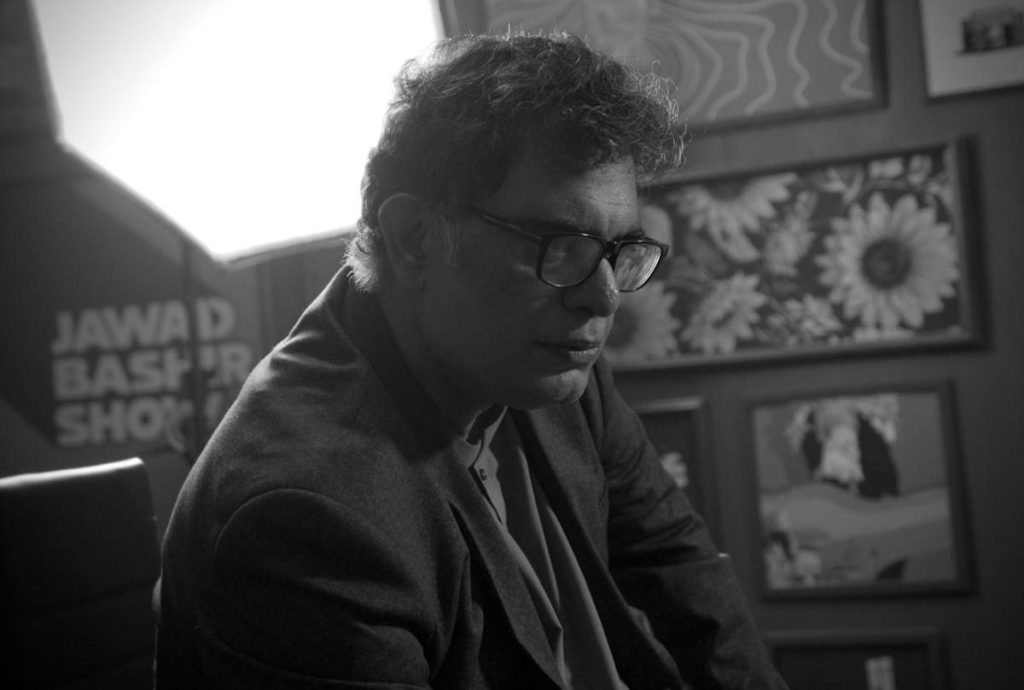
Synergyzer: Do you see AI as a collaborator or a competitor?
Ahsan Rahim: At best, a collaborator. It can speed things up, but it cannot create soul. AI might help refine visuals or structure ideas, but it does not understand struggle, irony, or joy – the things that give art its depth. You can teach it to write a love poem, but it will never know what it means to have its heart broken.
Synergyzer: If producers start preferring AI for cost-saving, what happens to human directors?
Ahsan Rahim: Cost-cutting is tempting, but originality has value. Machines may be fast, but they ca not create authenticity. Producers might save money, but they will lose the very thing that makes people connect with a film, its humanity.
Synergyzer: If creativity is about intuition and lived experience, how do you compete with a machine?
Ahsan Rahim: You do not compete. You stand apart. AI can mimic, but it cannot live. It does not feel heartbreak, nostalgia, or joy, the very raw material of creativity. Machines replicate patterns; humans create meaning. That is the difference, and that is where our power lies.
Synergyzer: Would you walk away from a project if AI became necessary?
Ahsan Rahim: I would adapt but never compromise the core of my process. Without process, there is no art. If AI becomes necessary, it will have to fit into my way of working, not the other way around. The craft lies in choices, instincts, and imperfections. Take that away, and you are left with execution, not expression.
Synergyzer: What has improved and what has deteriorated in Pakistani cinema?
Ahsan Rahim: Improved: technical ability and ambition. Deteriorated: courage in storytelling. Hopeful? Absolutely. The new generation is unafraid to experiment.
Synergyzer: Should Pakistan have a censor board for AI-generated content?
Ahsan Rahim: We need ethical guidelines, not traditional censorship. You can’t regulate creativity with the same rules made for film reels. AI brings new challenges questions of authorship, consent, and cultural sensitivity that our current systems are not built to handle. Instead of silencing it, we need frameworks that promote responsibility without stifling innovation. The goal should be accountability, not control. AI will test our values as much as our creativity.
Synergyzer: Do you think AI is evolving or revolutionising Pakistan’s creative industry?
Ahsan Rahim: Both. On one hand, AI is driving an evolution; it’s changing how we pre-visualise, storyboard, edit, or even generate reference material. These are incremental improvements that make processes faster, cheaper, and sometimes more accessible.
But at the same time, AI has the potential to spark a revolution because it questions the very definition of originality and authorship. If a machine can replicate style, merge references, and generate ideas instantly, then the traditional benchmarks of creativity shift. The revolution isn’t just in tools, it is in the value system of the industry: what counts as authentic, what counts as plagiarism, and what counts as “art.”
For Pakistan, this duality is even more pronounced. We are still building our creative identity, so AI can either become a shortcut that dilutes originality or a catalyst that forces us to redefine and protect what originality means in our cultural context.