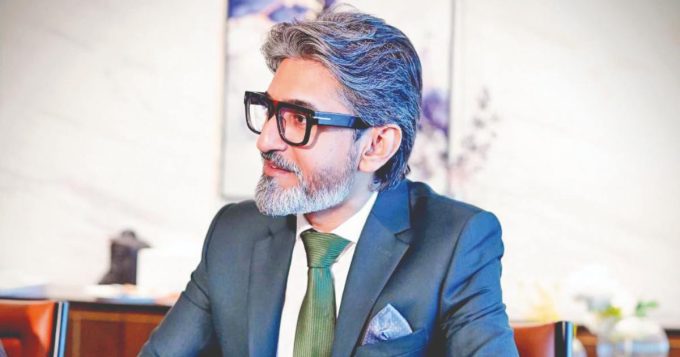

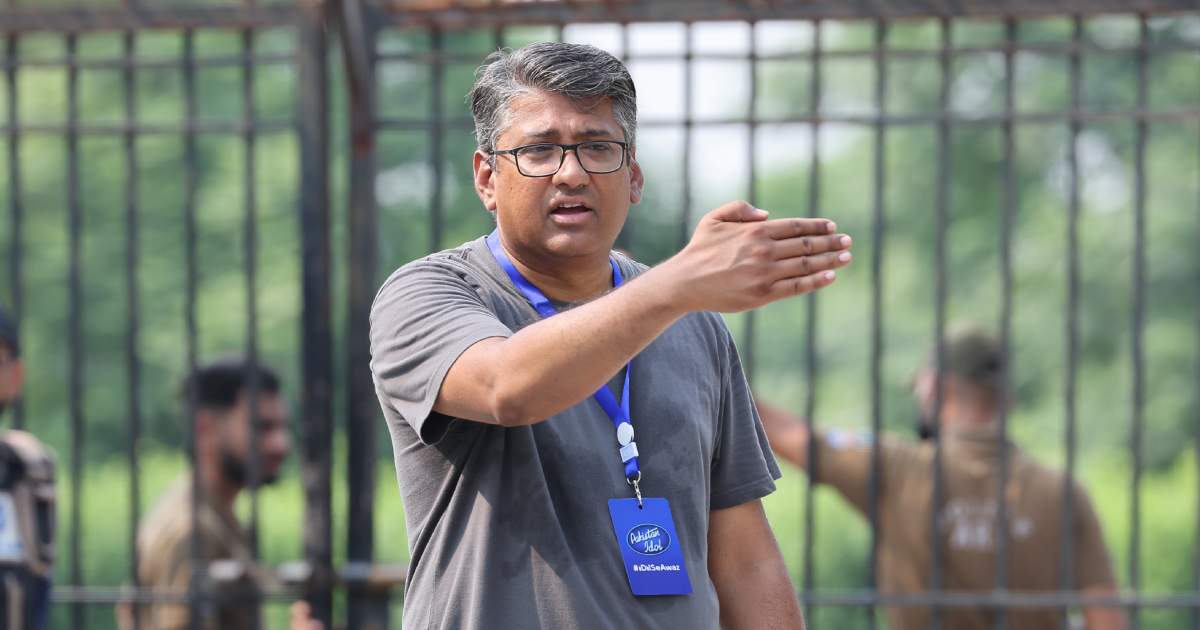
In Pakistan’s media landscape, very few names carry the weight, history, and creative muscle of Badar Ikram. For over two decades, he has stood at the crossroads of storytelling and strategy, building channels, launching networks, steering film divisions, and shaping the content diet of an entire nation.
From the bustling production floors of Karachi to the strategy rooms of New York and Atlanta, he has learned one truth: stories are currency, and the ones we choose to tell become the ones that define us. Today, as the founder of 313 Productions, he steps into yet another chapter, crafting narratives that are bold enough to move audience, and honest enough to outlive the moment.
Synergyzer: You have led newsrooms, built film divisions, and now run your own production house. Looking back, what one decision changed your career trajectory?
Badar Ikram: Choosing to move from running channels to building institutions changed everything. When you create something from the ground up; whether it is a film division, a media management company, a newsroom, or now 313 Productions – you stop thinking like an employee and start thinking like an entrepreneur. That shift in mindset completely redirected my career and sense of purpose.
Synergyzer: You often say, “What we make, makes us.” If you look at Pakistan’s current content culture, are we being shaped by our best work, or our easiest work?
Badar Ikram: As they say, “Good is the enemy of great.” Today, the pressure to deliver volume often outweighs the need for quality, so much of our work is shaped by what is easiest content built for virality, ratings and quick wins. The day we start valuing longevity over convenience, we will see a creative shift across the board. It’s our best work that leaves the deepest imprint. And the few who already work with this mindset, you can see their work standing apart.
Synergyzer: You have worked across continents, Karachi to New York. What is the one storytelling truth that remains universal no matter where you are?
Badar Ikram: Wherever you are in the world, audiences respond to honesty. They may not know your culture, but they instantly recognise emotional truth. Authenticity travels further than any budget, aesthetic or platform, because it is the one thing that connects people no matter where they come from. When a story feels true, it belongs to everyone.
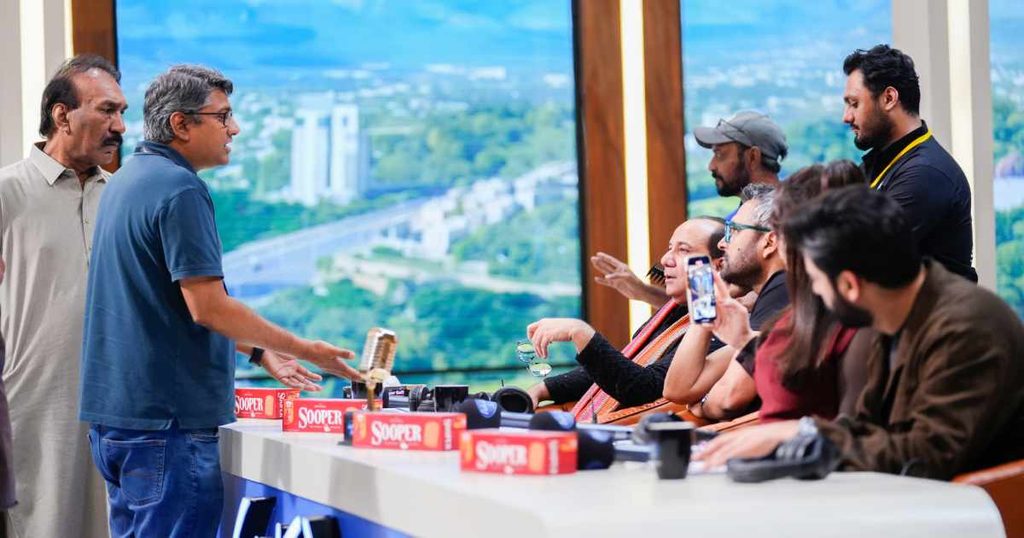
Synergyzer: You have seen hits, flops, revolutions and reinventions in the broadcasting industry. What, in your view, actually makes a story ‘stick’ in the long run?
Badar Ikram: A story sticks when it captures a universal emotion in a very specific context. People remember how a story made them feel, not how complex the plot was. Craft evolves, but its emotional imprint is timeless. The ability of a story to be relatable at a basic human level is what makes us appreciate stories from other cultures and languages. Ultimately, the power of storytelling lies in its capacity to connect hearts across time and borders, creating shared moments of understanding and empathy.
Synergyzer: You helped launch HUM Films and HUM News, built programming grids, and now run 313 Productions. What does creating a sustainable content ecosystem really require talent, capital, courage, or something else we rarely talk about?
Badar Ikram: Talent and capital matter, but discipline and consistency matter more. What we rarely talk about is the infrastructure behind content: creator development, long-term financing, fair contracts, and audience data. Without these, an ecosystem never becomes an industry. I have always tried to build self-sustaining teams driven by a shared purpose. Pakistan Idol, for example, isn’t just a programme… it is a movement. Every team member feels as if they are part of something larger. That mindset sustains industries, not just projects. Over time, it is this combination of purpose, structure, and shared ownership that allows content ecosystems to thrive and evolve beyond individual successes.
Synergyzer: From Aag TV’s youth culture to Pakistan Idol’s mass appeal, you have shaped content that speaks to the young. What do you think this generation gets right and disastrously wrong about creativity?
Badar Ikram: They get one thing absolutely right: fearlessness. What they often get wrong is confusing speed with depth. Creativity is not just hitting “publish”; it’s sitting with an idea long enough for it to mature. They have extraordinary tools, but tools do not equal taste. Volume will never replace impact. Ghalib wrote only one Dīwān, quality outlives everything else. True creative mastery comes from patience, reflection, and the courage to let ideas evolve fully before sharing them with the world.
Synergyzer: Can a brand truly “sell” without a story, and can a story survive without a sound? Where do you place the real power narrative?
Badar Ikram: Narrative gives meaning; music gives memory. One is the soul, the other is the heartbeat. But the real power lies in intention. Audiences instantly sense when something is crafted with purpose. It is never about choosing one over the other, they work in harmony. When story, sound, and intent align, a brand does not just communicate, it resonates, lingers, and becomes part of how people experience the world around them.
Synergyzer: You have handled everything from content deals to distribution to film marketing. When a film lands on your desk, what’s the first thing you look for?
Badar Ikram: Always the story. A film with heart is far easier to sell than one made just to sell. If it moves me, I know it can move others too. I also look for honesty in the story moments that feel real and lived-in. When a film truly connects on a human level, it finds its audience naturally, without all the noise.
Synergyzer: We are living in the age of instant noise and short attention spans. What is harder today earning attention or keeping it?
Badar Ikram: Earning attention has become algorithmic. Keeping it has become an art. Audiences give you seconds but staying in their minds requires emotional resonance, not noise. It is about creating moments that stick with people, stories they remember and relate to, experiences that feel personal. That is how attention becomes connection, and a quick glance turns into something meaningful.
Synergyzer: You have mentored teams for years. What’s one uncomfortable truth you wish young creators would understand before entering the industry?
Badar Ikram: You are not entitled to an audience. You have to earn it through discipline, humility, and the ability to take feedback without crumbling under pressure. Talent is common, grit is rare. It’s really about having the patience to keep learning, to stumble and to try again without losing heart. Success does not happen overnight; it grows quietly, one small step at a time.
Synergyzer: After 25+ years, multiple networks, global collaborations, and now your own studio, what does “arrival” look like to you? And do you ever imagine a point where you say: “Yes, this is enough. I can stop chasing now.”?
Badar Ikram: Arrival is not a destination; it’s a responsibility. Every milestone increases your obligation to tell better stories. I do not think I’ll ever stop chasing, not success but meaning. The day I feel there’s nothing left to learn or build will be the day I step back. Until then, I just keep moving, learning from each failure and celebrating the small wins along the way.
Synergyzer: Brands today chase sound logos, audio DNA, and hooks. Do you think Pakistan’s marketing industry actually understands sonic branding or are we still treating music as a last-minute garnish?
Badar Ikram: We used to. Today, not as much. We still treat music like a garnish instead of a strategic signature. Sonic branding is not a jingle, it’s an identity. Smart brands know that sound shapes memory, not just the mood. When done right, music becomes part of the brand’s soul, creating moments people remember and feel, long after they have seen the ad. It is not just decoration, it’s a way to speak directly to hearts.