

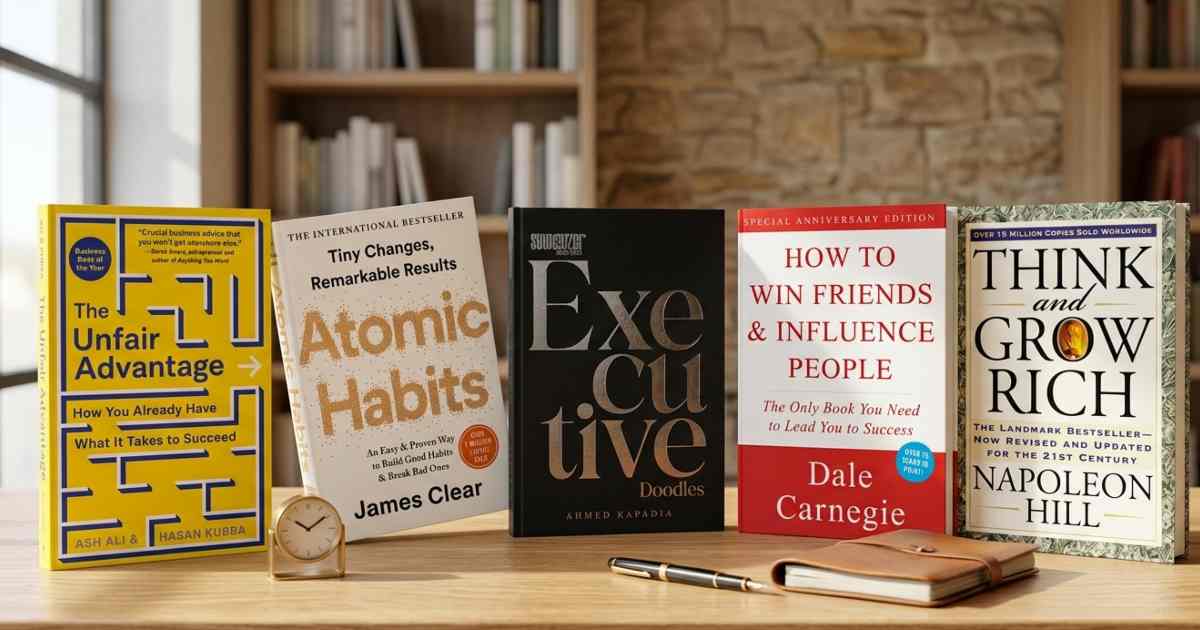
You have seen them on shelves, in reels, and in every self-help roundup since forever.
But these five titles are not just motivational relics, they are mirrors, provocations, and quiet revolutions. We revisited them not to repeat the hype, but to reframe the value. Because sometimes, the most overexposed books still have the sharpest things to say. So read these not for answers, but for better questions, the kind that shift your lens, not just your goals.
The Unfair Advantage – Ash Ali & Hasan Kubba
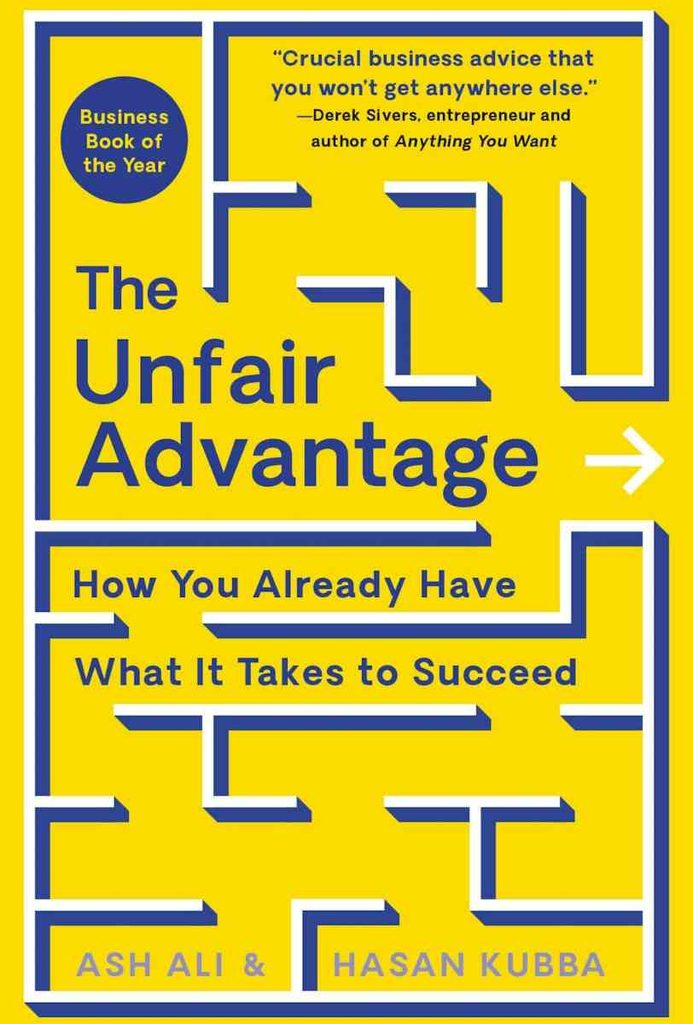
Forget hustle culture. This book doesn’t care how many 5 a.m. alarms you have set or how many Gary Vee reels you’ve reposted. The Unfair Advantage is a reality check wrapped in a startup guide, but its real power lies in what it reveals about you. Using the MILES framework (Money, Intelligence, Location, Education, Status), Ali and Kubba do not just dissect success, they expose its scaffolding. And yes, luck is part of it. The authors argue that success isn’t a meritocracy, it’s a cocktail of leverage, timing, and self-awareness. This isn’t just for founders; it’s for anyone tired of pretending grit alone will save them. The book’s genius? It makes privilege legible, then hands you a pen to annotate your own. If you have ever felt like the game was rigged, this book doesn’t deny it, actually it teaches you how to play smarter. Not fairer. Smarter.
Atomic Habits – James Clear
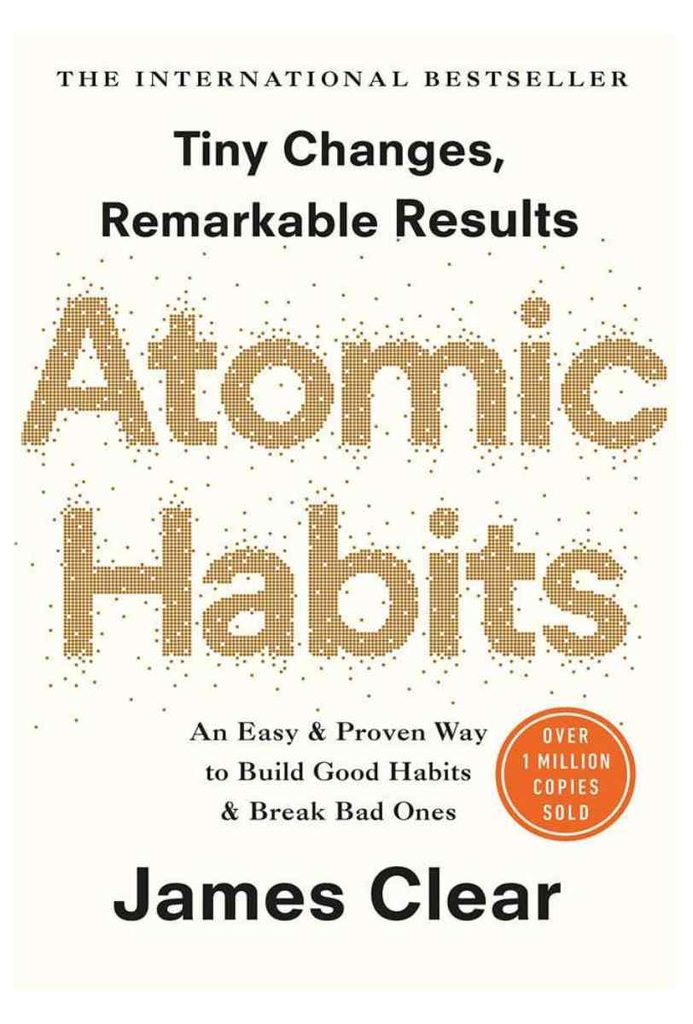
You have spotted this book on desks, in reels, next to matcha lattes. But Atomic Habits isn’t mere productivity eye candy; it is a manifesto for the quietly ambitious. James Clear doesn’t ask you to overhaul your life; he asks you to tweak it. One cue, one craving, one response at a time. His Four Laws of Behaviour Change (make it obvious, attractive, easy, satisfying) are less about discipline and more about design. The genius? You don’t need motivation, you need architecture. Clear’s real gift is turning neuroscience into lifestyle strategy, minus the jargon. Whether you’re trying to quit doom-scrolling or finally write that novel, this book doesn’t shout—it nudges. And in a world obsessed with overnight success, Atomic Habits reminds us that greatness is granular. It is not sensual. It is sustainable. Read it not to change your life overnight, but to change your tomorrows, one tiny habit at a time.
How to Win Friends & Influence People – Dale Carnegie
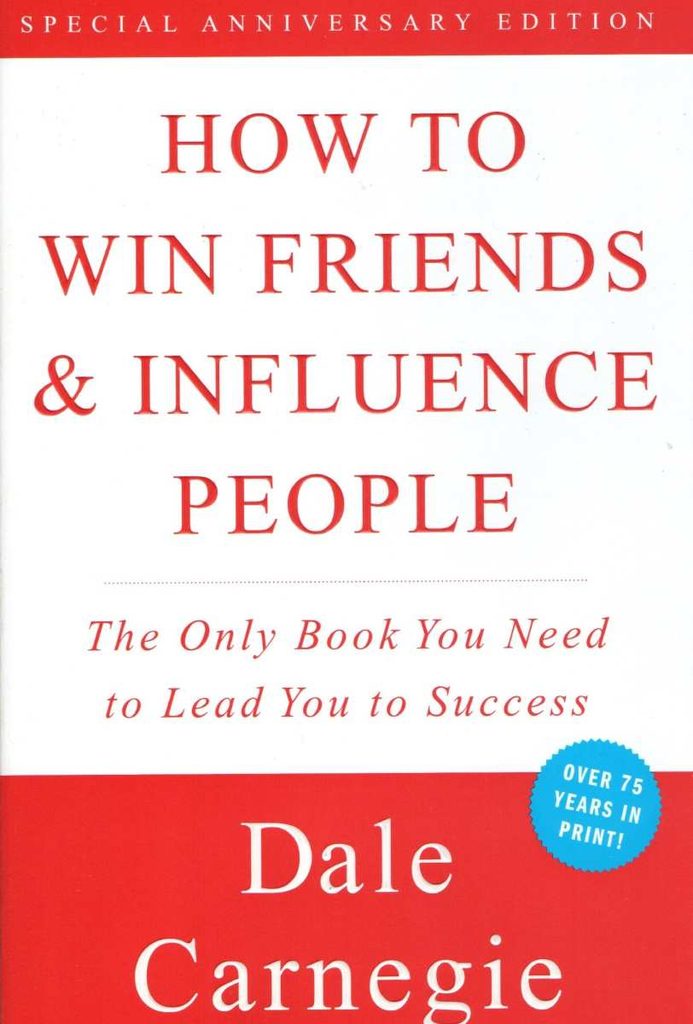
Yes, it’s the book your dad swears by. Yes, it predates Instagram. And yes, it still hits hard. Dale Carnegie’s How to Win Friends & Influence People isn’t just a guide to charm; it’s a masterclass in emotional intelligence before the term was even coined. In a world of ghosting, soft-launches, and performative networking, Carnegie’s principles feel radical: be genuinely interested in others, praise sincerely, never tell someone they are wrong (even when they are). It is not manipulation, it is mindfulness. The book’s real power lies in its humility: it does not teach you how to dominate a room, it teaches you how to listen. If you think influence is about being louder, this book will change your mind. Read it not to win friends, but to deserve them. And in doing so, you might just influence something far rarer: trust.
Think and Grow Rich – Napoleon Hill
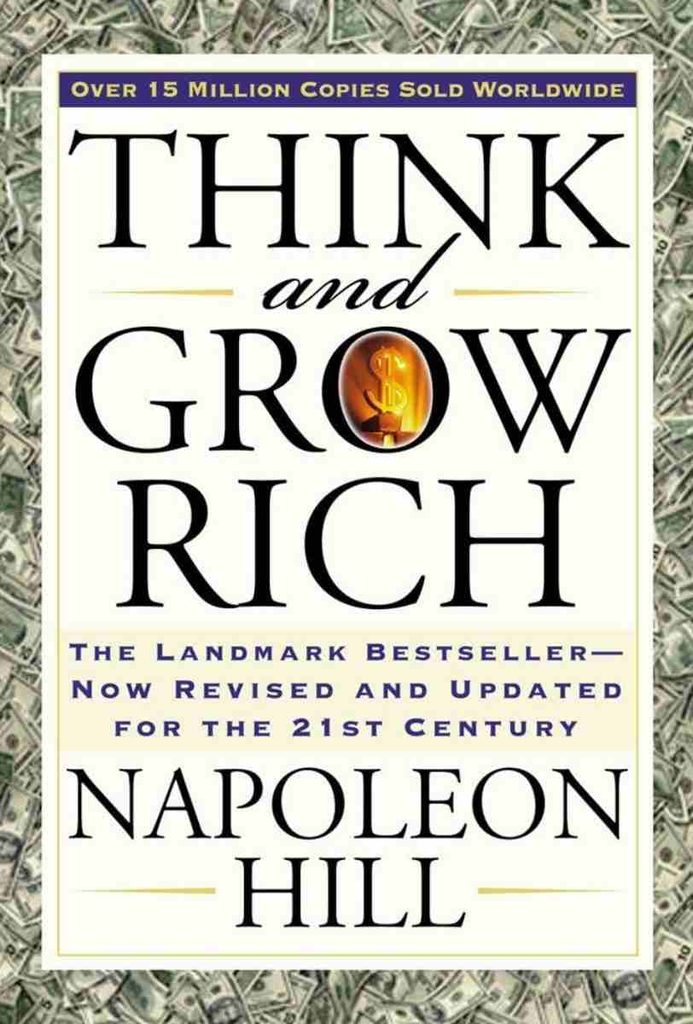
Before “abundance mindset” was a hashtag, Napoleon Hill was preaching it in pinstripes. Think and Grow Rich is not really about money, it is about mental architecture. Hill’s 13 principles (desire, faith, autosuggestion, etc.) read like a spiritual syllabus for the financially ambitious. But don’t expect spreadsheets or stock tips. This book is more metaphysics than mechanics. Updated for the 21st century, it now name-drops Gates and Templeton alongside Carnegie and Ford but the core message remains: wealth begins in the mind. It is a seductive idea, especially for generations raised on hustle culture and side gigs. But Hill’s real legacy is not the promise of riches, it is the insistence that clarity, belief, and persistence are non-negotiable. Read it not to get rich quick, but to understand why some people never quit. And why that matters more than money.
Executive Doodles – Ahmed Kapadia
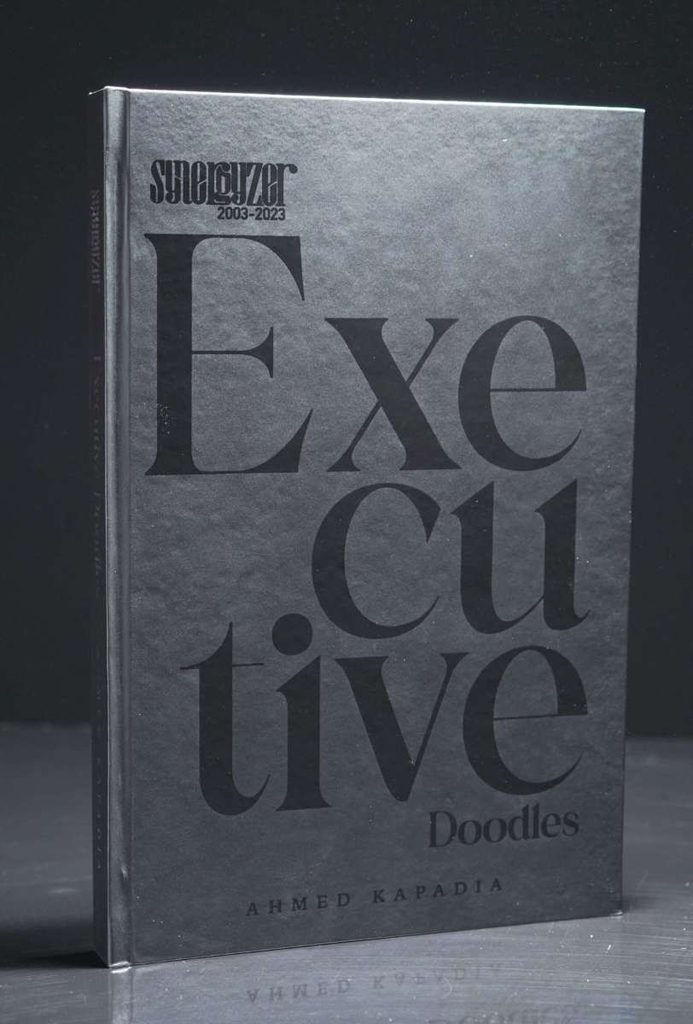
Pakistan’s advertising industry has always had stories, but rarely a storyteller. Ahmed Kapadia’s Executive Doodles changes that. This is not a textbook; it is a chronicle, a mirror, and a manifesto in one. Kapadia, Chairman and CEO of Synergy Group, distils two decades of campaigns, crises and cultural shifts into prose that feels both insider and visionary. He does not simply recount the move from billboards to big data; he interrogates it. His reflections on AI and consumer privacy show he is not chasing trends but questioning their ethics, particularly in a landscape where privacy is often treated as collateral damage. What makes Executive Doodles memorable is its refusal to separate industry from society. Campaigns are not just business strategies; they reflect politics, culture, and shifting public sentiment. Part memoir, part manifesto, part mirror, the book serves as a guide for professionals and a syllabus for students. For anyone curious about how advertising became one of Pakistan’s most potent cultural forces.