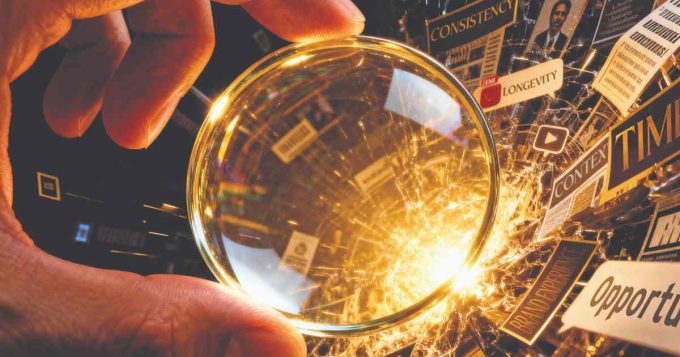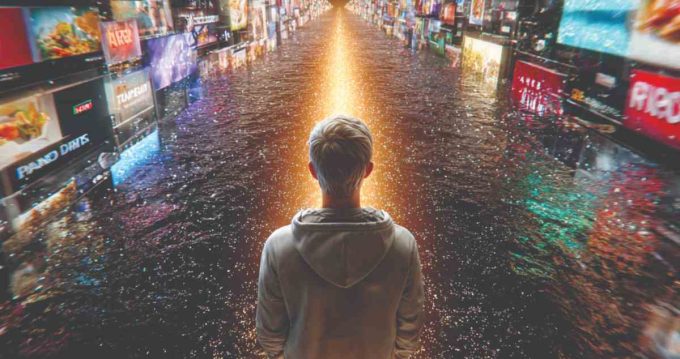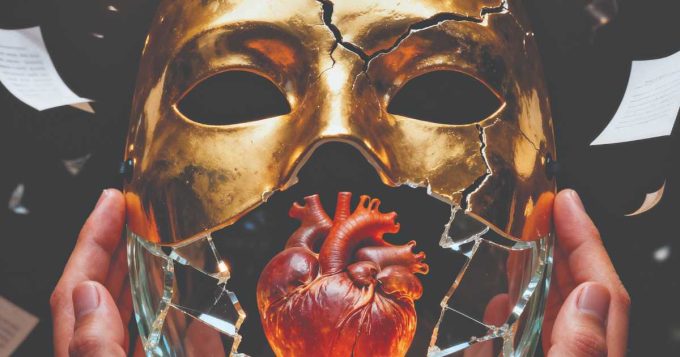

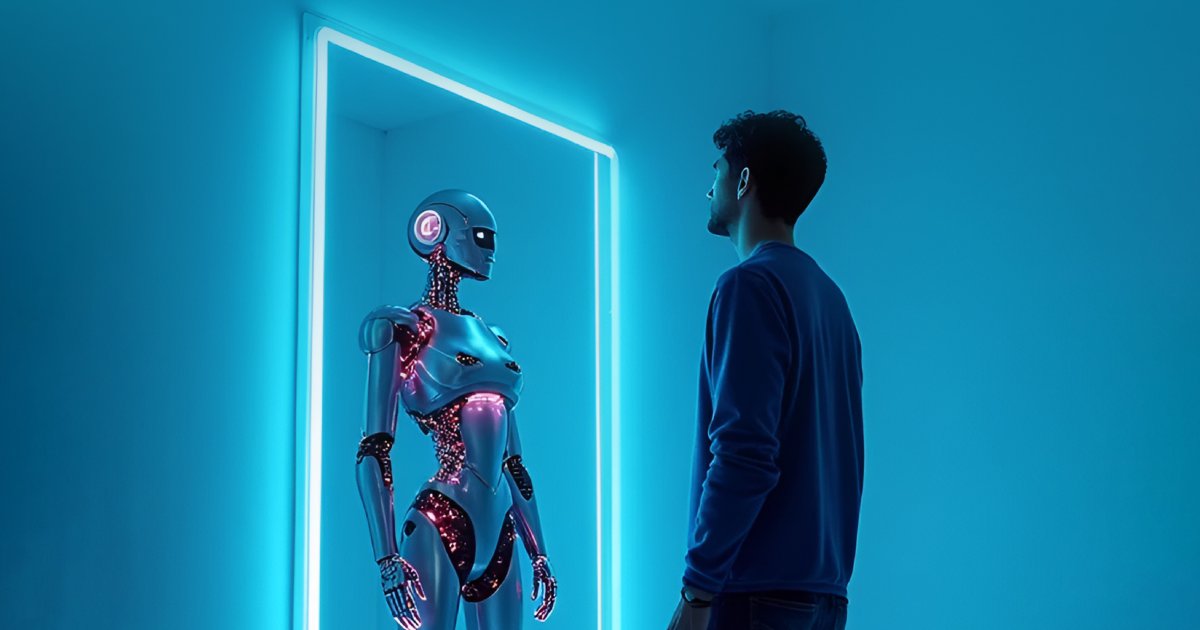
As the line between reality and simulation blurs, influencer marketing stands at a crossroad; caught between innovation and illusion.
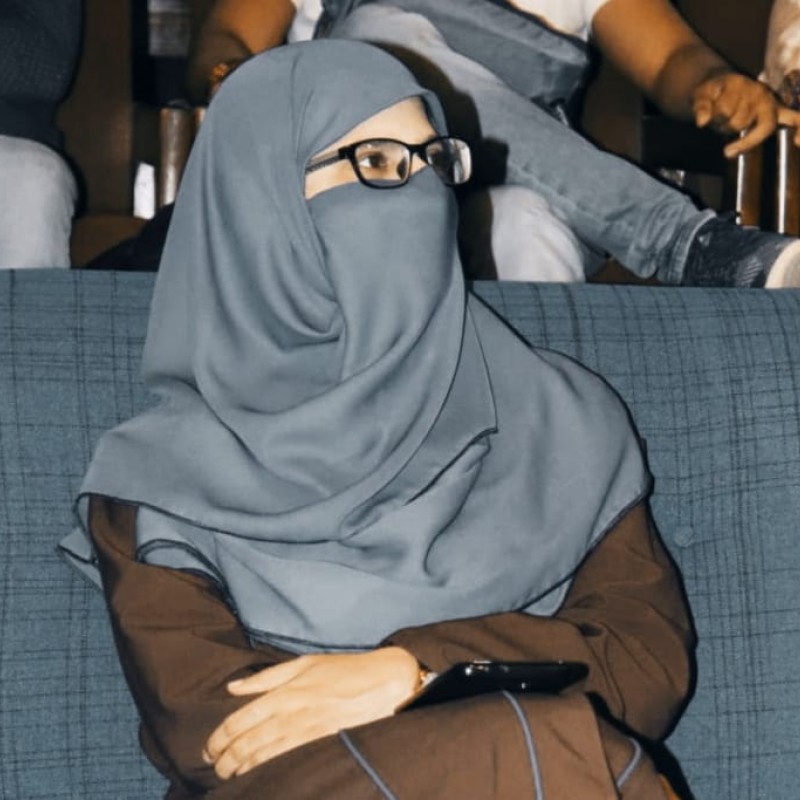
In 2012, when I first started blogging about fashion and textile history, influencer culture in Pakistan was just beginning to take shape. Over the years, I have collaborated with dozens of human influencers throughout my advertising career, from styling shoots, negotiating brand deals and watching “content creator” evolve from a hobby to a full-time profession. For years, we sold brands the gospel of “authenticity”: that real people convert better than celebrities because they are relatable and human. But today, the new celebrities do not need a glam squad, a call time, or even sleep.
Meet the virtual influencers. Globally, creators have built avatars like Lil Miquela, Bermuda, and Imma into multimillion-follower personalities, cast them in Prada and Calvin Klein campaigns, sent them on press interviews, launched their music careers, and even scripted online scandals, only to reprogram them the next day.
Pakistan joined the party relatively recently with its first AI influencer, Shabnam. She was hailed as a symbol of innovation, but audiences quickly pointed out that she did not look like the “average Pakistani.” Instead, she appeared as a Westernised, digitally perfected influencer — glassy skin, aquiline nose, light brown hair — bearing little trace of the country’s rich cultural diversity.
Since then, more AI influencers have popped up on Instagram and TikTok. What makes this moment different is how interactive they are becoming. Followers can chat with them, receive personalised replies, and even get product recommendations. For audiences accustomed to forming parasocial relationships, this kind of content is a goldmine for engagement, but a nightmare for parents and mental health professionals.
The economics are irresistible. AI campaigns are cheaper, faster, and safer. No late arrivals or diva behaviour. No risk of a bad tweet resurfacing mid-campaign. Internationally, brands are already running fully AI-generated campaigns. Locally, we are seeing influencers use AI to enhance their portfolios, and brands are experimenting with AI-generated product visuals.
Just a few months ago, a male influencer was criticised for posting AI-generated portfolio images complete with a digitally enhanced, muscular physique without disclosure. His unapologetic response was “this is the future.” From a commercial standpoint, he might not be wrong.
But what is the real cost of this so-called efficiency?
Tamkeenat Mansoor, who creates humorous videos addressing social issues, puts it bluntly:
“I think we cannot escape the AI onslaught now. It is here, and it will stay. However, strong legislation is needed to prevent its misuse, such as identity theft and fake news. Since it is relatively new, right now, people are having all kinds of fun with it, experimenting, playing around, and pushing its limits. But in the coming days, with more advanced technology, it will be very difficult to tell the fake from the real.”
Influencer marketing was built on trust. People follow creators because they believe in their taste or aspire to their lifestyle. Replace that human with a flawless algorithm, and we are no longer selling relatability; we are selling simulation. Maybe audiences won’t mind at first. They might even prefer a perfect face that never slips up. But we must confront the possibility that this hollows out the very premise of influencer culture. If “authenticity” can be deepfaked, what does it even mean?
Representation is another concern. Even with real influencers, Pakistani marketing often defaults to Eurocentric beauty standards: fair skin, narrow features, urban styling. AI risks amplifying this problem. Creators can endlessly customise digital avatars, yet they often design them to look generically “global,” more Dubai or Milan than Multan or Mirpurkhas.
This is not just lazy; it is dangerous. By presenting a single, sanitised vision of “Pakistani beauty,” we risk erasing our own diversity. If marketers don’t demand better representation in AI, we will be baking a future where the “perfect influencer” excludes most of the population it claims to speak to.
And then there is accountability. AI influencers do not just model clothes; they can share opinions, spread narratives, and shape culture. If an avatar defames someone, spreads misinformation, or amplifies propaganda, who is responsible? The programmer? The brand? The platform? Pakistan’s legal system has no provision for AI entities, leaving brands to operate without a safety net.
For teenagers, these avatars pose another challenge. They are designed to be perfect with perfect skin, perfect lives and perfect responses. Unlike human influencers, they cannot falter or grow. The result is an endlessly responsive digital companion that reinforces unrealistic expectations of beauty and success.
Lifestyle content creator Osamah Nasir explains why this matters:
“Human relatability is what drives real connection. The content that truly resonates works because people see themselves in your struggles and small frustrations. AI can mimic this pattern and tell stories that sound authentic, but it lacks the lived truth behind those moments. The danger is that as AI gets better, audiences may not realise they’re emotionally connecting with code rather than a conscious person. If AI content floods the space, we risk devaluing genuine human connection and displacing real creators while audiences unknowingly engage with manufactured personalities designed only to extract attention.”
For brands and agencies, this is both a playground and a minefield. The temptation to embrace AI avatars is real: lower costs, greater control, limitless scalability. But reputational risks are just as real. A tone-deaf AI campaign can go viral for the wrong reasons faster than any human scandal.
Journalist Maliha Rehman recently wrote a comprehensive piece in a local publication about how the Pakistani fashion industry is adapting to AI, and the industry voices she quoted were as concerned as they were curious. And they should be.
The question is no longer whether AI influencers will become mainstream. They already are. The question is whether we will shape this space responsibly or let convenience dictate the future.
Will we invest in creating diverse, culturally rooted avatars that reflect Pakistan’s plurality? Will companies develop internal ethics to govern how they use these avatars, what they allow them to say, endorse, or promote, or will they wait for a PR crisis to force regulation?
The future of influencer marketing may be artificial, but its impact on culture, politics, and mental health will be very real. The decisions we make today will define this industry for the next decade. Get it right, and AI influencers could become a tool for creativity and inclusion. Get it wrong, and we will end up with a digital ecosystem that is beautiful, inefficient and completely hollow.