

From Labubu dolls and LEGO sets to Pokémon cards and collectibles, kidulting has grown from a niche hobby into a booming consumer trend. But this isn’t just about nostalgia. It’s a marketing goldmine.
There was a time when growing up meant leaving childhood behind. Toys were packed away, cartoons gave way to careers, and collecting action figures was something you were expected to outgrow.
That Idea Is Quickly Fading
Today, adults are queuing for plush toys, chasing limited-edition collectibles, and spending hundreds, sometimes thousands, on LEGO sets, trading cards, nostalgic dolls and fandom merchandise. Shelves once aimed at children are now attracting customers with jobs, bills and spending power.
The queue isn’t for a smartphone launch or concert ticket. It’s for a Labubu, a Pokémon card or a collectible tied to a childhood memory.
Welcome to the era of kidulting.
So, What Exactly Is Kidulting?
At its core, kidulting is exactly what it sounds like: adults embracing hobbies and interests traditionally associated with childhood. That could mean buying a toy you always wanted, revisiting a favourite cartoon, collecting trading cards, building LEGO sets or proudly displaying shelves of collectibles.
But kidulting is about more than toys. It is about holding on to the things that bring joy. And despite what the name suggests, it is not about refusing to grow up. Kidults still have deadlines, bills and responsibilities. They have simply decided that adulthood does not require giving up the things they love.
Whether it is a nostalgic purchase, a collecting hobby or a trip to a theme park, kidulting reflects a simple idea: joy does not have an age limit.
Why Is Everyone Suddenly Doing It?
Part of the answer is nostalgia.
For many adults, buying a toy is less about necessity and more about the feelings it brings back: a favourite cartoon, a collection they never finished, or a toy they spent years wanting as a child. For many, kidulting is a second chance to finally own the things they once missed out on.
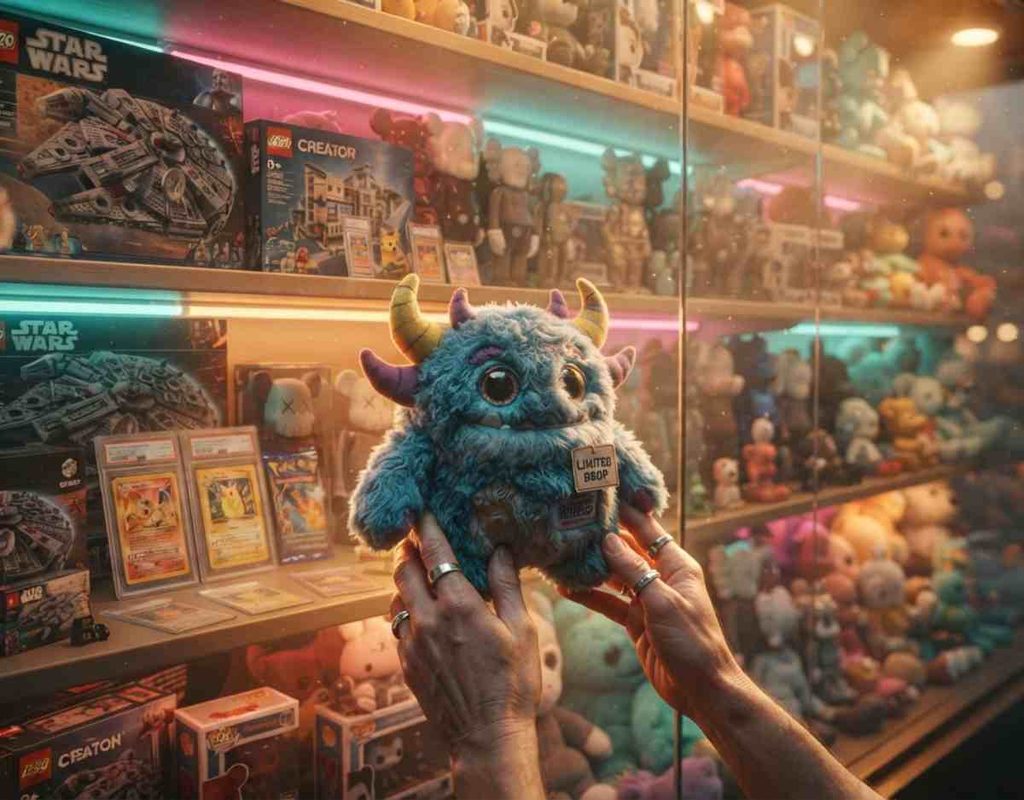
But nostalgia is only part of the story. Modern adulthood can be exhausting. Between rising living costs, burnout, endless notifications and a constant stream of bad news, small sources of joy matter more than ever. A plush toy, a blind box or a weekend spent building LEGO may seem trivial, but for some people, these hobbies offer comfort, a welcome distraction and something to look forward to.
Society has changed too. Being a 35-year-old Pokémon fan is no longer considered unusual. Geek culture has gone mainstream, collecting has become socially acceptable, and people feel less pressure to abandon the things they love simply because they have grown older.
From Childhood Hobby To Billion-Dollar Industry
What started as a niche hobby has now become a serious business opportunity.
Adults are no longer a side audience for the toy industry. According to Circana, US consumers aged 18 and over spent $1.8 billion on toys in the first quarter of 2025, a 12% increase on the same period in 2024. Meanwhile, Market Decipher estimated the global toy collectibles market at $12.5 billion in 2021 and projected it to reach approximately $35.4 billion by 2032.
The reason is simple: brands have realised their adult audiences are becoming increasingly important.
LEGO has embraced the shift with adult-focused collections and its “Adults Welcome” platform. Pokémon, Barbie, Hot Wheels and Build-A-Bear have all found ways to grow with their audiences, while Funko and Pop Mart have built thriving businesses around collectibles, blind boxes and limited-edition releases.
Trading cards, fandom merchandise and collectible figures have become cultural currency, and viral sensations like Labubu have shown just how powerful the mix of nostalgia, scarcity and social media can be.
For an industry once focused almost entirely on children, grown-ups have become an increasingly important audience, creating new opportunities for brands to expand their product ranges and reach customers with greater spending power.
The Marketing Masterstroke
Many toy companies today are creating products specifically for adults.
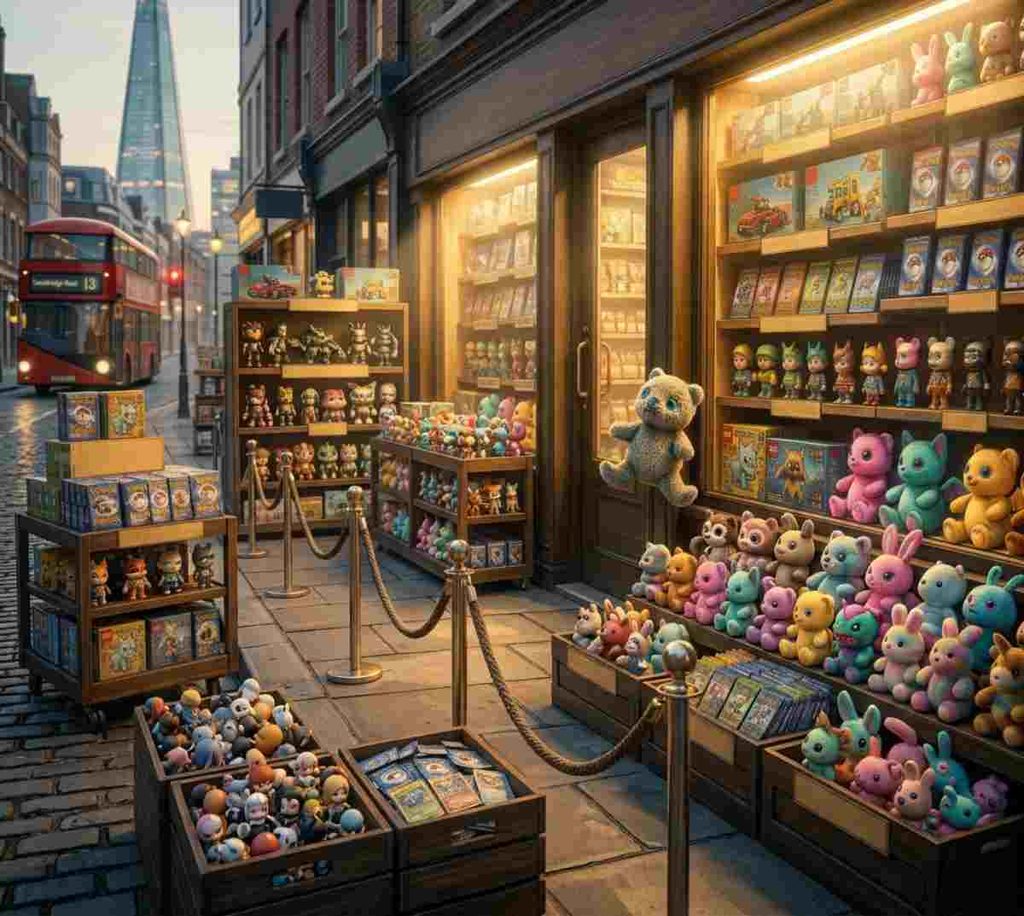
A big part of the strategy is nostalgia. Brands are not simply selling toys; they are selling memories. Pokémon cards, Barbie collaborations, Hot Wheels collector editions and LEGO recreations of beloved franchises tap into emotions that never really disappeared.
Scarcity is another powerful tool. Limited drops, blind boxes and exclusive collectibles create excitement and urgency. Labubu’s rise is a perfect example. Collectors are buying into the thrill of the hunt as much as the product itself.
Social media has amplified the trend. Unboxing videos, collection tours and TikTok reveals have turned collectibles into content, helping brands build communities around their products.
Perhaps most importantly, companies have embraced premiumisation. Adults are willing to spend far more than children typically do on toys. Instead of a $10 toy, they’re buying premium LEGO sets, designer collectibles and limited-edition merchandise.
For brands, kidulting has transformed play into a lifestyle and nostalgia into a thriving business model.
More Than Just a Toy Trend
Ultimately, kidulting isn’t really changing toys. It’s changing perceptions of adulthood.
From collectibles and trading cards to LEGO sets and plushies, the trend reflects a growing acceptance that people do not have to abandon the things they love simply because they have grown older.
And judging by the queues, collections and sales figures, they are not looking back.