In modern marketing discourse, strategy, differentiation, and visibility are often presented as ultimate drivers of success. But in Pakistan, a brand does not become meaningful simply because it is seen. It becomes meaningful when it feels culturally right. That is the deeper truth behind consumer demand in this market: people do not merely respond to products; they respond to how those products fit into the social and emotional order of everyday life.
This is why local insight matters more than imported assumptions. Pakistan is not a market that rewards abstraction. It rewards familiarity, trust, and cultural fluency. A brand may arrive with a global idea, but it succeeds only when that idea is translated into the language of family, ritual, respect, and belonging. In that sense, culture does not decorate the market, it defines it.
Culture as Consumer Logic
A useful way to understand Pakistan is through its cultural orientation. The society is more collective than individualistic, more hierarchical than equal in its social structure, and more sensitive to uncertainty than casually experimental. These are not just academic terms. They describe the everyday reality of how people evaluate brands, choices, and credibility.
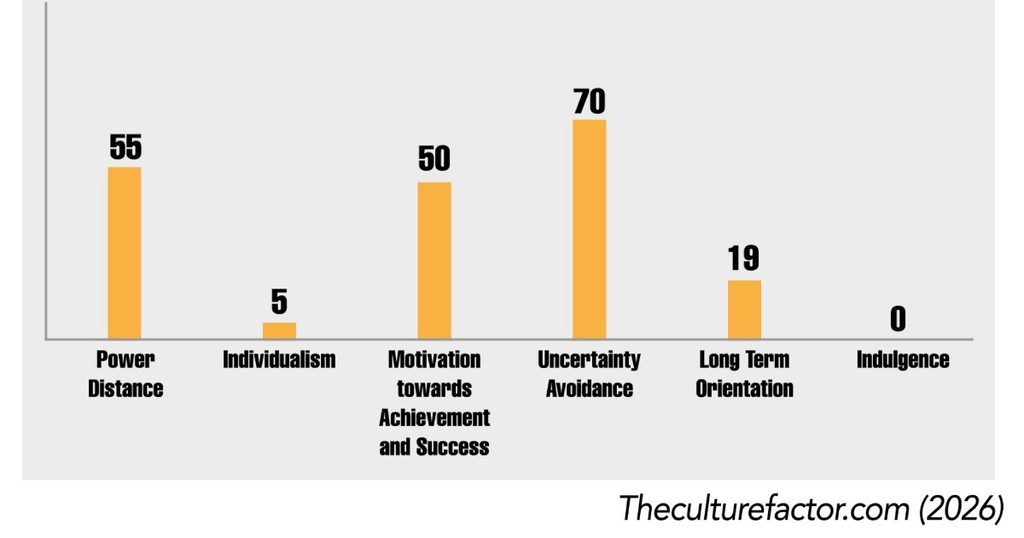
For consumers, brands are rarely judged on performance alone. They are judged on whether they feel socially appropriate, emotionally reassuring, and culturally familiar. The strongest brands are not distant aspirational symbols, but part of everyday social life.
When Brands Feel Like Belonging
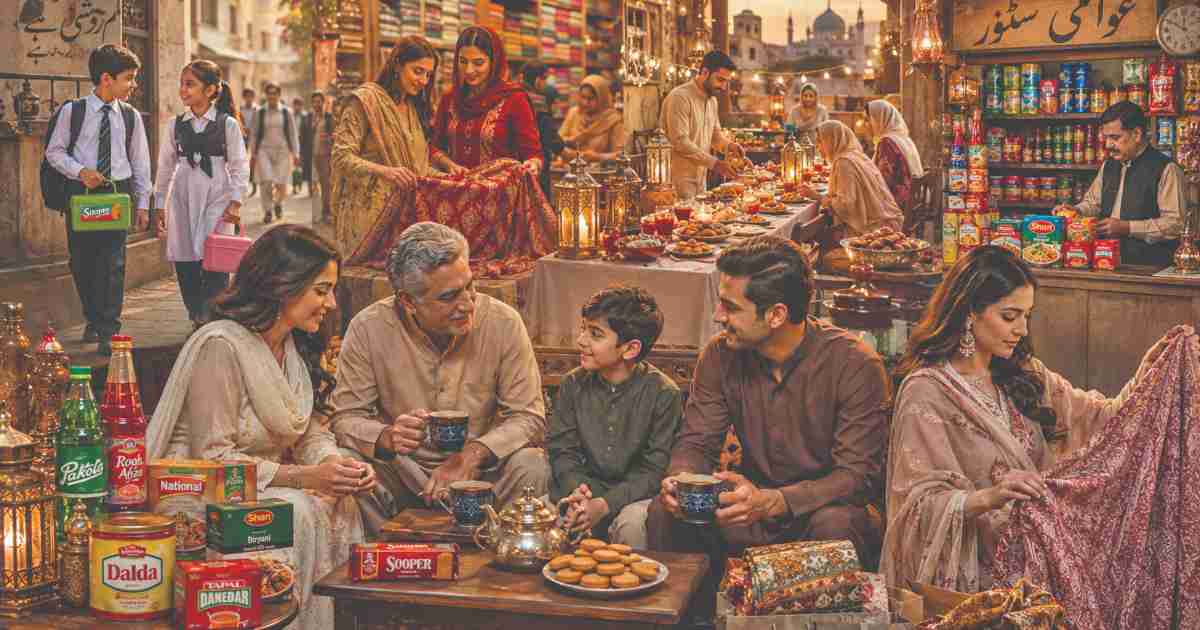
The brands that endure in Pakistan often do so because they understand that local belonging is more powerful than abstract positioning. Their relevance comes from being present in moments that matter: Eid shopping, Ramadan gatherings, wedding season, tea breaks, school routines, and family conversations. This is where fashion becomes especially revealing. Brands such as Khaadi fuse heritage with modernity, Generation champions bold authenticity, Gul Ahmed anchors tradition, Sana Safinaz and Alkaram refine socially acceptable elegance, and Ethnc captures youth, balancing modern style with cultural roots. Their strength lies in this balance. In Pakistan, clothing is not just about style, but also occasion, modesty, presentation, and social meaning. Fashion becomes a way to participate in culture, not escape it.
Food as Memory
If fashion reflects identity, food reflects memory. In Pakistan, food brands have long understood that the kitchen is not just a place of utility. It is a place of emotional continuity. That is why brands such as Shan Foods, Tapal Tea, Rooh Afza, Pakola, National Foods, and Dalda hold such a strong place in consumer life.
Shan is not merely a spice brand. It is associated with the taste of home-cooked meals, even in homes where time is short and life is fast. Tapal is not only tea, it is the pause in the day when conversation becomes possible. Rooh Afza has become part of the emotional language of Ramadan and summer, not because it claims those seasons, but because it has become inseparable from them. Pakola carries a kind of nostalgic national familiarity, while National Foods helps households navigate the tension between traditional cooking and modern convenience. Dalda represents trust in the ordinary, repeated acts of daily cooking.
These brands succeed because they are not seen as interruptions, but as extensions of family life. That creates a far deeper loyalty than advertising reach alone ever can.
Everyday Rituals and Social Rhythm
The same logic applies to biscuits, snacks, and household staples. Sooper, for example, is not only remembered as a biscuit brand. It is part of tea-time, school lunch, office breaks, roadside stops, and the unspoken rhythm of daily life. It works because it understands the social role of small consumption moments in Pakistani households.This is also where the larger idea of “Cultural Power” becomes visible. A powerful brand does not need to shout. It enters the rhythm of life: quietly and repeatedly until it no longer feels external. In Pakistan, that is often the real test of brand strength; not whether people notice you, but whether they trust you enough to make you put of their routine.
What the Consumer Really Seeks
If we look across these categories, a clear pattern emerges. Pakistani consumers are not simply looking for better products. They are looking for recognition. They want brands that understand how families function, how women manage social expectations, how children influence household choices, how elders shape trust, and how festivals change the meaning of consumption.
This is why local insight is such a strategic advantage. It allows brands to move beyond translation and into interpretation. Translation changes language. Interpretation changes meaning. And in Pakistan, meaning is what creates demand.
A consumer may not remember every line of an advertisement, but they remember whether a brand understood their world. They remember whether it felt respectful, familiar, and socially fluent. That memory becomes the basis of loyalty.
The Strategic Lesson
For marketers, the lesson is simple. Brands succeed in Pakistan not by imposing global logic, but by learning how to belong. Culture is not a barrier to branding, but it is how branding becomes real.
Brands must act less like visitors and more like participants, entering consumers’ lives with humility, cultural awareness, and emotional intelligence, while speaking to people’s realities rather than marketing fantasies. In Pakistan, the strongest brands are not those that the most ‘international.’ They are those that feel the most locally inevitable.
The deeper truth of the Pakistani market is this: demand is shaped not only by price, quality, or visibility, but by cultural legitimacy. A brand earns legitimacy when it fits into the consumer’s world in a way that feels natural and honest.
That is the real cultural code. Not loudness or exposure, but relevance and belonging. Definitely not the impression, but the interpretation. And in a market as socially rich and culturally layered as Pakistan, that is where brand reality is truly shaped.