
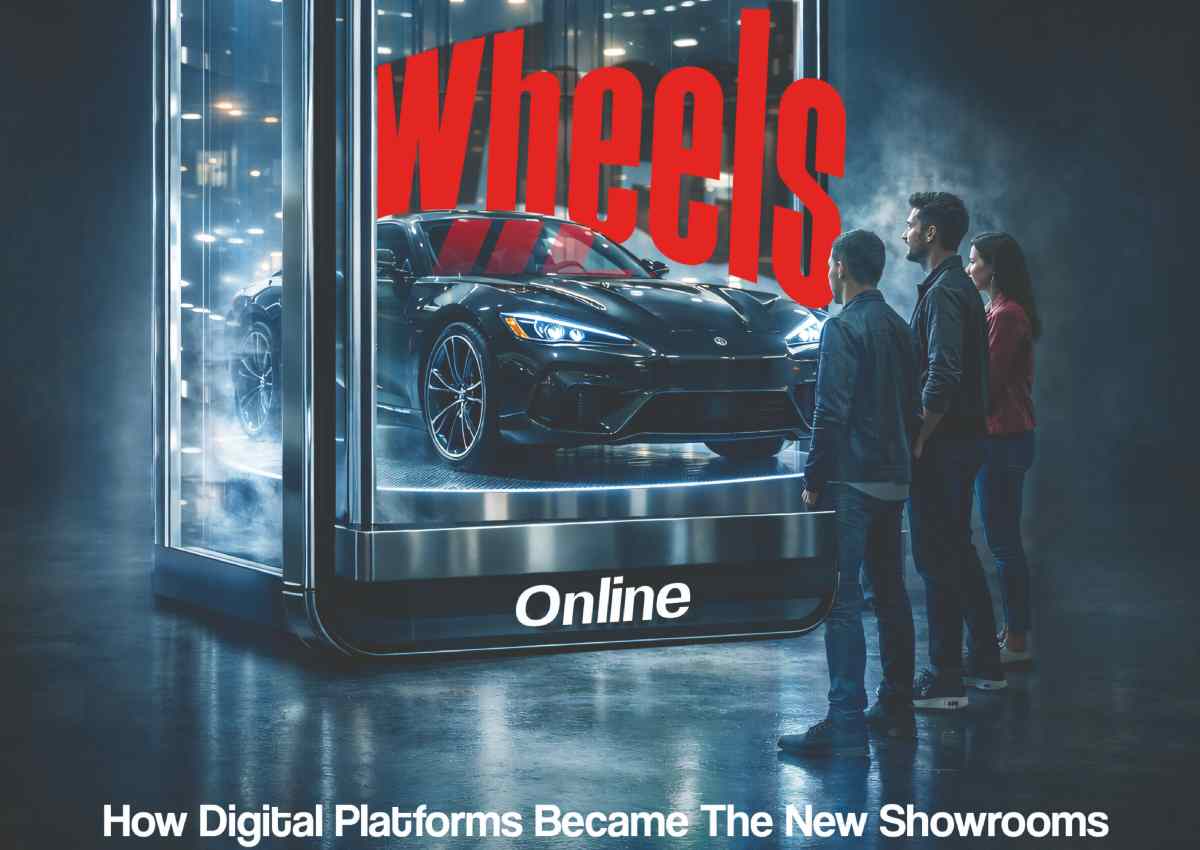
In Pakistan, digital platforms have replaced traditional showrooms. As these apps empower millions with real-time data, expert analysis, and community trust, one has to wonder: in a market defined by this unprecedented transparency and efficiency, is the traditional physical showroom becoming an obsolete relic of the past?
In Pakistan’s rapidly evolving automotive market, the conventional car-buying process, characterised by physical showroom visits, prolonged negotiations, and in-person test drives, has undergone a significant transformation. Increasingly, prospective buyers begin their journey digitally, often from the comfort of their own homes.
Within a short time, they access real-time price comparisons on PakWheels, authentic owner reviews. Virtual vehicle walkaround videos on Facebook Marketplace, and in-depth technical analyses on Automark.pk. By the close of the day, many are already in direct communication with sellers. This streamlined, data-driven approach eliminates the uncertainties and frictions of traditional dealership interactions, enabling informed and efficient purchasing decisions.
This experience is no longer exceptional in Pakistan; it has become the prevailing norm. In a nation where roads reflect broader narratives of economic ambition, social inequality, and continuous progress, digital platforms have emerged as powerful intermediaries. They have fundamentally reshaped how Pakistanis discover, evaluate, and acquire vehicles, effectively transforming smartphones into the country’s most extensive and accessible automotive showrooms.
PakWheels: Where Dreams and Data Collide
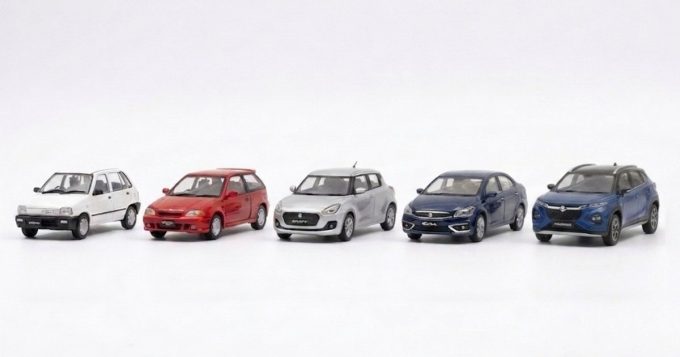
PakWheels started as a simple online forum for car enthusiasts in 2003. Fast-forward to 2026, and it’s Pakistan’s undisputed automotive king with millions of monthly visitors, endless listings, and a community that feels like a national car club. Every year, the platform releases its most-searched used cars list. And the 2025 rankings (carrying strong momentum into 2026) were no surprise: the Toyota Corolla topped the charts once again, followed closely by Honda Civic, Honda City, Suzuki Cultus, and Suzuki Alto. These are not just numbers; they reflect what Pakistanis value most: reliability, resale value, and fuel efficiency in a time of rising costs.
What makes PakWheels powerful is trust. Its valuation tools, user reviews, and forums cut through the old-market fog of “bhai, yeh final rate hai?” Buyers now rely on verified data more than dealer promises. When the platform says a Corolla holds its value better than most, people listen, and manufacturers notice.
In a rebounding market where passenger car sales jumped 57% year-on-year in January 2026 (reaching 18,602 units), PakWheels is not just reflecting trends; it’s helping shape them.
Automark.pk: The Serious Player for Informed Buyers
While PakWheels rules the masses, Automark.pk speaks to those who want depth. Evolving from a print magazine, it now delivers sharp industry analysis, PAMA sales breakdowns, and policy insights. In early 2026, Automark was quick to report the auto sector’s strong rebound, passenger cars up dramatically, LCVs and jeeps growing steadily, and explained why hybrids are gaining ground faster than pure EVs.
Its listings and expert comparisons appeal to fleet owners, dealers, and enthusiasts who treat car buying like a calculated investment. Automark doesn’t just list cars, it contextualises them in Pakistan’s bigger mobility story.
Facebook Marketplace: The People’s Showroom
Then there is Facebook Marketplace – the wild, wonderful, informal giant. By 2026, it’s the go-to for quick, local used-car deals, especially outside major cities. Low barriers (free listings, direct chat, location filters) make it irresistible for budget buyers hunting Japanese imports like Toyota Vitz or Honda Vezel, or local favourites like Alto and Mehran. Trust comes from seller ratings, shared photos, and mutual friends in massive groups like “Cars for Sale in Karachi” or
regional equivalents.
It is not perfect, scams happen, but thousands of successful deals prove its power. Marketplace has democratised access: a buyer in a small Punjab town can now negotiate without travelling hours to Lahore or Karachi. In a market where used cars outnumber new ones,
it has become the ultimate word-of-mouth amplifier.
Social Communities: The Echo Chambers That Drive Trends
Beyond dedicated sites, Facebook groups, WhatsApp chats, and Instagram pages act as perception factories. Communities like “Pakistani Car Lovers,” brand-specific clubs (Suzuki Alto Owners, Honda Civic Pakistan). Or city-based buy/sell groups buzz with ownership stories, mod tips, and complaints about parts prices.
A viral post about poor resale value can pressure manufacturers; a glowing review of a hybrid model can spark demand. During the 2025–2026 sales surge, social chatter often zeroed in on fuel economy and after-sales service, factors that platforms like PakWheels then quantify and reinforce.
Why This Shift Matters
These platforms solve real pain points: price opacity, fraud fears, and limited information. Verified listings, video inspections, and user ratings build confidence. In a market where economic ups and downs make every rupee count.
However, gaps persist, such as rural internet access, digital literacy challenges, and occasional scams. Highlighting that the digital revolution is still a work in progress. The trajectory is undeniable.
With over 100 million smartphone users in Pakistan (and numbers rapidly increasing). A young population eager for convenience, and a robustly recovering auto market, digital has become vital. For brands, these channels are no longer optional; they are essential platforms where perceptions are shaped, and sales are initiated.
Pakistan’s roads reveal power, progress, and inequality. Today, so do its screens. The driver’s seat is not just behind the wheel. It is also on your phone, steering the future of how we move.