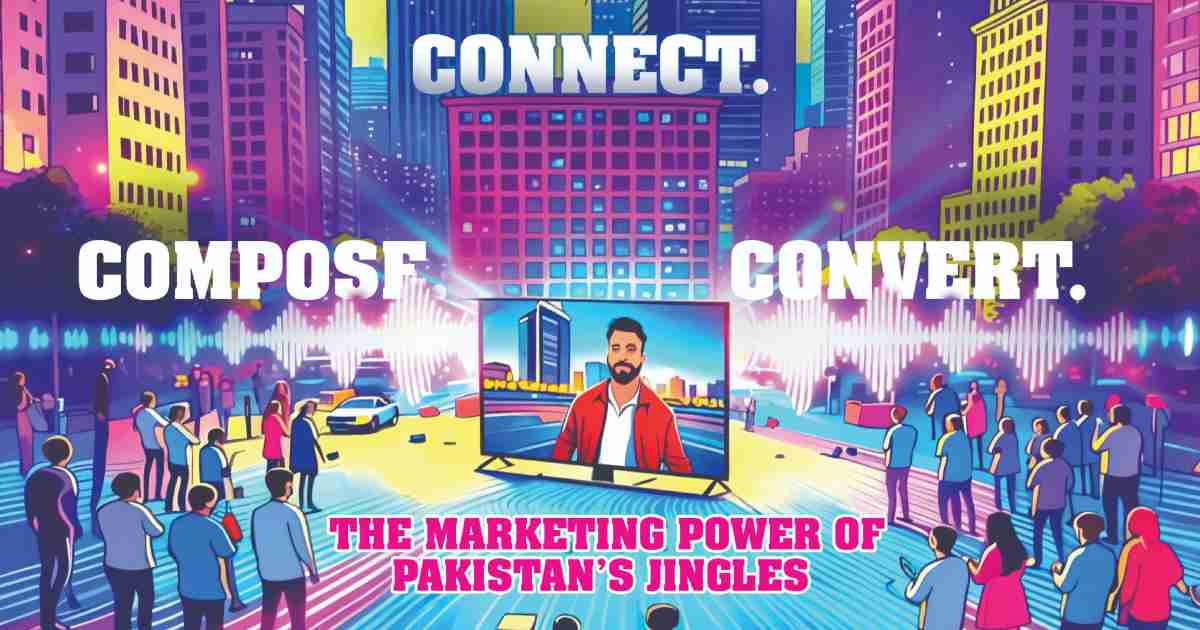
This article explores Pakistan’s jingles, their emotional impact, and how sound has shaped brand identity, tracing the golden era, examining what went wrong, celebrating what worked, and looking ahead to the future of sonic branding.
Close your eyes and read this: “Ek billi moti taazi thee, jo mazay sey Ding Dong khati thee.” Did you sing it or read it? I actually sang it, complete with the melody, rhythm, and the distinctive voice that accompanied our childhood. That is the extraordinary power of jingle, Pakistan’s most underestimated yet a profoundly effective brand asset.
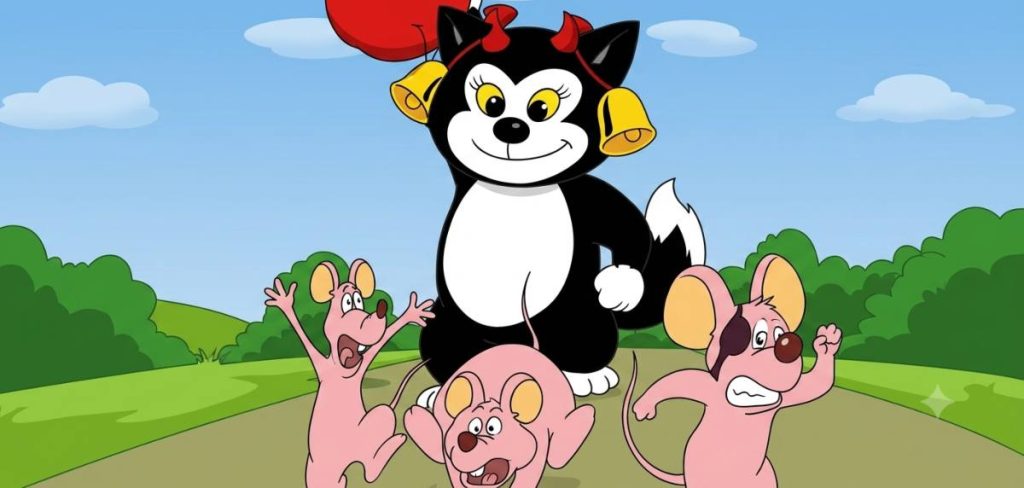
For decades, Pakistani marketers understood something fundamental about human psychology: we do not just remember what we see; we remember what we feel. And few marketing tools forge emotional connections quite like music. From the comforting “Ae khuda meray abbu salamat rahein” of State Life Insurance to the irresistibly catchy “Cocomo mujhe bhi do,” these sonic signatures did not just sell products; they built empires, shaped collective memory, and created brand equity that has outlasted the campaigns themselves.
The Science Behind the Song
It is neuroscience in action, not merely anecdotal nostalgia, that demonstrates the effectiveness of jingles. Research demonstrates that music activates sections of the brain within the limbic system linked to recall and emotions, creating stronger associations than visual stimuli alone. According to research at Karachi University Business School, jingles in advertising significantly affect retention and recall, with consumers purchasing products primarily due to jingle retention.
Strategically, sound use increases brand recall by 96% compared to visual branding alone. This staggering statistic underscores why Pakistan’s most memorable brands were not built on clever taglines or stunning visuals, but on melodies that burrowed into our collective consciousness. When we think of brand elements, logos, colours, typography, we often overlook sonic branding, yet it may be the most powerful brand asset of all.
The Golden Era: When Jingles Built Legacies
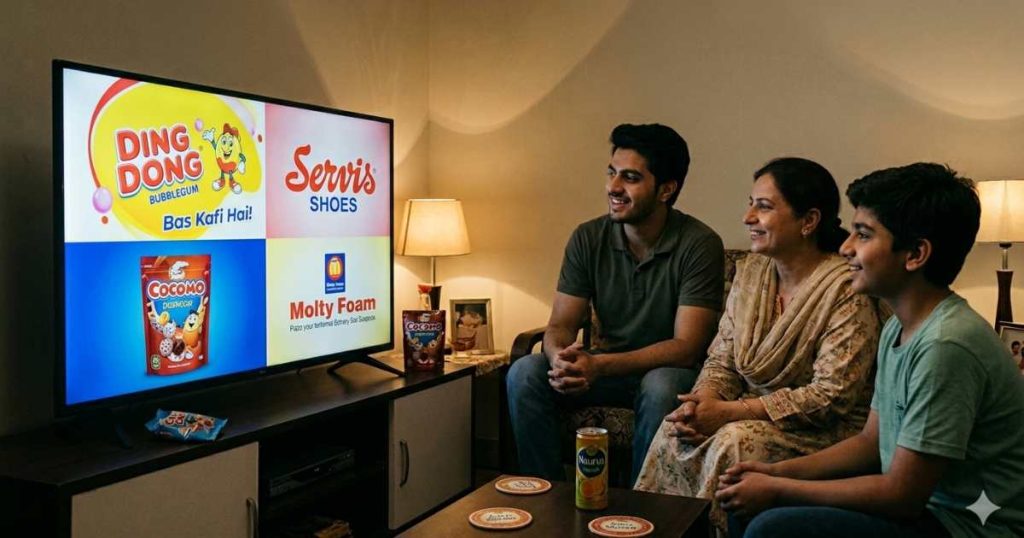
Pakistan’s advertising golden era thrived in a simpler media landscape: one state-run TV channel, limited programming, and audiences who actually watched ads. Brands like Ding Dong, Cocomo, Servis Shoes, Molty Foam, Jam-e-Shireen, and Naurus created sonic identities so distinctive that they transcended mere advertising to become cultural icons. These jingles were architectural masterclasses: under 10 seconds, melodically simple yet memorable, emotionally resonant, and linguistically clever. The Cocomo jingle, sung by a 10-year-old Asim Azhar, became synonymous with chocolate-filled joy; decades later, its revival with adult Asim proved the original sonic investment never lost its value.
The genius of Lipton’s instrumental theme, Molty Foam’s emotional “Meri nanni pari”, or Jam-e-Shireen’s “light, light, refreshing” lay in strategic alignment with brand values. Each jingle compressed a brand story, communicating product benefits, emotional positioning, and personality in mere seconds.
What Made Them Stick
Pakistani jingles succeeded because they understood something modern marketers sometimes forget: people do not buy products; they buy feelings, memories and identities. State Life Insurance’s emotional appeal to familial protection was not selling insurance; it was selling security, love, and filial duty wrapped in a melody that made grown men misty-eyed.
The repetitive genius of Telefun’s “0900-78601” transformed a phone number into a cultural phenomenon. Servis Shoes’ persistent “Servis shoes for everyone” became so embedded in collective memory that it resurged as a viral trend eight years after its release, an organic brand revival at zero additional cost.
What united these campaigns was their understanding of sonic branding’s core principles: consistency, emotional resonance, and cultural authenticity. They were unapologetically local, and that authenticity made them timeless.
Jingles as Brand Equity
A jingle is far more than a catchy tune; it is a brand element as critical as packaging or logo design. It communicates brand personality, reinforces brand positioning, facilitates instant recognition across touchpoints, and creates emotional associations that influence purchase decisions.
Brands that invested in distinctive sonic identities essentially built acoustic real estate in consumers’ minds. When LU’s Gala biscuit became synonymous with “des ka biscuit” through its jingle, it demonstrated sonic branding’s first-mover advantage. The jingle functioned as an acoustic trademark, instantly recognisable and legally protectable.
The Modern Revival: From Jingles to Sonic Logos
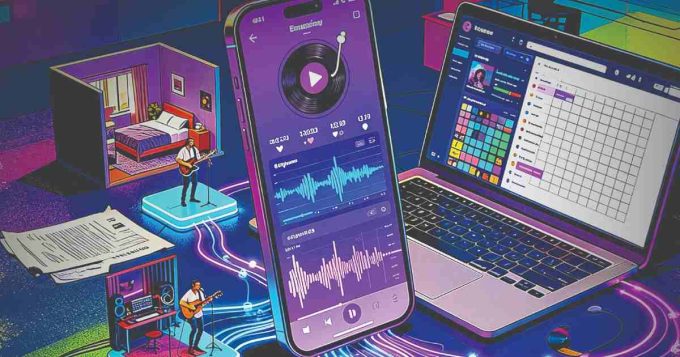
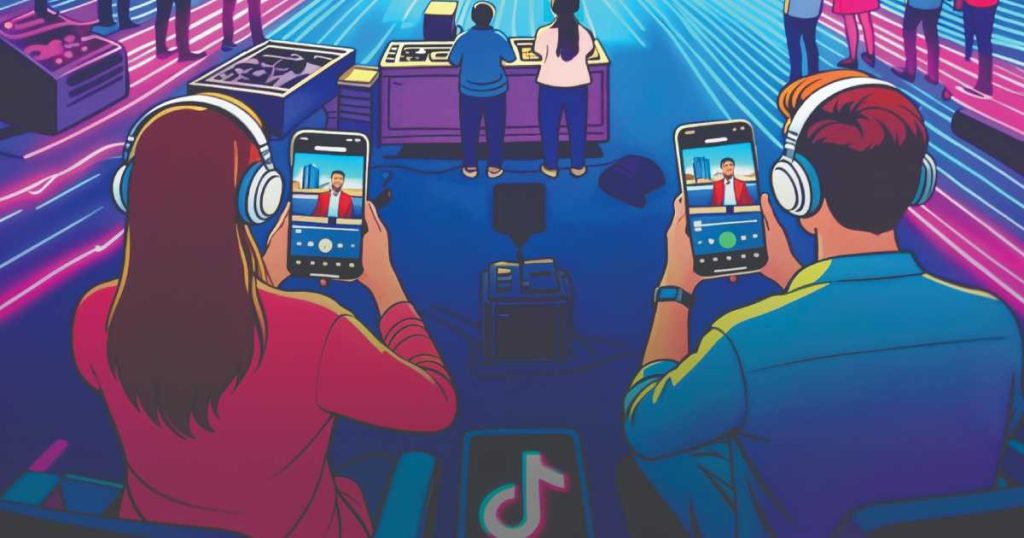
Today’s marketing landscape differs dramatically from Pakistan’s jingle golden era. Attention spans have fragmented, media channels have multiplied, and consumers skip ads reflexively. Yet ironically, sonic branding has never been more relevant. With the rise of smart speakers, podcasts, voice search, and audio-based social media platforms like TikTok and Instagram Reels, brands need sonic identities to maintain presence across touchpoints.
The evolution from traditional jingles to modern auditory sonic logos represents adaptation rather than obsolescence. Global brands like Netflix’s “ta-dum” and Intel’s five-note chime demonstrate the continued power of strategic sound, whilst maintaining the same psychological principles that made Pakistani jingles effective.
Pakistani brands are cautiously exploring this revival. Bisconni’s resurrection of the Cocomo jingle garnered over three million YouTube views, proving that nostalgia, when paired with contemporary treatment, can reignite brand love.
The TikTok Generation and Beyond
The digital era has not killed the jingle; it has democratised and accelerated it. TikTok’s algorithm-driven content rewards catchy audio, creating “micro-jingles”, brief, highly shareable sound bites that spread organically. Where traditional jingles took years to build recognition through repeated television exposure, a clever audio snippet can achieve viral saturation in days.
Decades after their last television airings, Ding Dong, Cocomo, and Jam-e-Shireen jingles remain instantly recognisable. Their longevity offers crucial lessons: they were consistently deployed over years, emotionally authentic, culturally specific, and strategically aligned with clear brand positioning. Most importantly, they respected audiences’ intelligence. They didn’t oversell or manipulate; they entertained and connected.
The Way Forward
For Pakistani brands navigating today’s fragmented media landscape, the legacy of the jingle offers a clear roadmap. Sonic branding goes beyond nostalgia; it is an essential strategic tool. With consumers engaging across diverse touchpoints, a consistent and distinctive sound ensures recognition and recall on any platform.
The winning formula blends heritage with innovation: understanding why classic jingles worked while adapting them for modern media. The jingle’s role in Pakistani marketing is not just sentimental; it is a lesson. In the fight for consumer attention and loyalty, brands with a unique sonic identity will always outperform those without one. That is not just effective advertising, it is smart brand building, one note at a time.