
Ride-hailing apps have transformed how Pakistanis trust strangers, introducing structured accountability and digital confidence, especially for women. They are reshaping everyday mobility and online interactions.
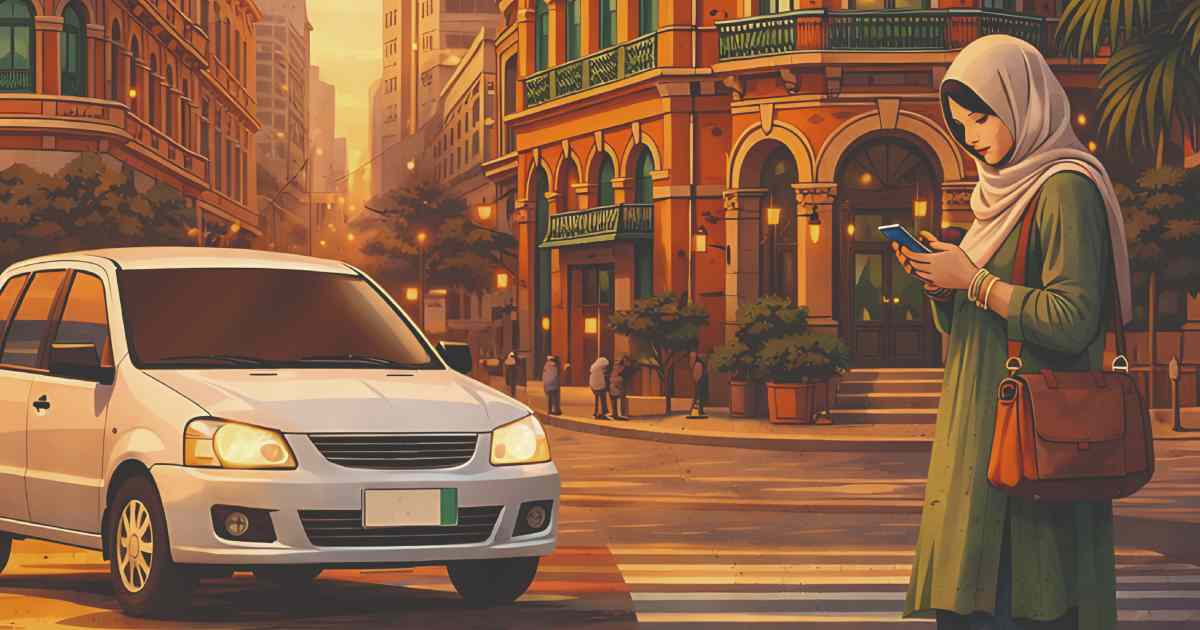
It was 10:17 PM, and I was standing outside a wedding hall in DHA, heels in one hand, phone in the other, battery at 12%, and absolutely no car of my own because, let’s be honest, in this economy? Affording a car? Phew. Twenty-four-year-old me cannot. Five years ago, this would have turned into a full-blown logistical meltdown involving ten missed calls, one irritated sibling, and a long lecture about “planning better.” Instead, I opened an app. A tiny white Alto icon blinked toward me. Driver name: Ahmed. Rating: 4.92 stars. ETA: three minutes. Three minutes later, I was sitting in the backseat of a stranger’s car, adjusting my dupatta, casually sharing my live location, and somehow feeling… completely normal. Not reckless, not terrified, just fine. And that is wild, because if there’s one thing Pakistanis historically do not do easily, it is trust strangers.
Most of us grew up hearing “Beta, kisi par bharosa mat karna.” Trust wasn’t casual; it was inherited. You got a job through a cousin, rented a house through an uncle’s friend, and bought a car from someone your chacha personally knew. Strangers were never neutral; they were risks. Trust was relational, rooted in familiarity and reference culture.
Then, ride-hailing platforms entered cities like Karachi, Lahore, and Islamabad. Suddenly, we were voluntarily stepping into cars driven by people we had never met. The contradiction was obvious. But over time, it became routine.
In the beginning, the mood was cautious. Parents were sceptical, news channels amplified every incident. Group chats were dramatic. But what shifted the narrative wasn’t marketing, it was the design. You could see the driver’s name, face, rating, and route in real time. You could share your trip. For the first time, trust wasn’t blind; it was structured. The stranger wasn’t faceless anymore; he was a profile inside a system. And systems, it turns out, build trust faster than emotions.
The rating system changed behaviour. In a society where accountability can feel inconsistent, mutual ratings introduced consequences. Drivers rated passengers, passengers rated drivers. A bad experience was recorded. A low rating followed you. Politeness and professionalism became practical, not optional. That subtle layer of accountability reframed strangers. They were not random anymore; they were participants in a monitored ecosystem.
For Pakistani women, especially, ride-hailing represented mobility. Before this, transport required negotiation, waiting for family, bargaining with rickshaw drivers, or cancelling plans because “drop ka scene nahi hai.” Ride-hailing shifted that dynamic.
You could leave when you wanted and return when you needed without assembling a committee. Of course, we are not ignoring the incidents that have happened within these services. Safety concerns are real, and criticism is valid. Trust does not erase risk. But there is a bright side. Features like live tracking, SOS options, and ratings have created layers of accountability that didn’t exist before. It’s not perfect, but it is progress.
There is also something unexpectedly human about these rides. The backseat conversations about traffic, rising petrol prices, university degrees, or the economy create small bridges across social divides. You meet students driving part-time, fathers saving for school fees, and professionals navigating layoffs. For twenty minutes, you are not categories of class or background; you are just two people sharing space in the same chaotic traffic. That humanisation matters; it softens suspicion.
Beyond transport, ride-hailing normalised digital trust. Once we trusted a stranger with our commute and an app with our payment details, it became easier to trust food delivery services, freelance platforms, e-commerce stores, and digital wallets. Ride-hailing became a training ground for Pakistan’s digital economy. It introduced the idea that technology-mediated trust is still trust, just structured differently.
None of this means the system is flawless. There have been real safety concerns and justified backlash. But the difference today is that distrust is no longer absolute; it’s conditional. We
have learned to check ratings, share locations, stay alert without being paranoid, and rely on systems while maintaining caution. That balance reflects cultural adaptation.
Perhaps the most significant shift is from personal trust to institutional trust. Traditionally, trust meant “I know him.” Ride-hailing introduced a new logic: “The system knows him.” That distinction extends beyond cars. It influences how we approach online payments, remote work, and digital identities. We are slowly adapting to frameworks that replace personal references with algorithmic validation.
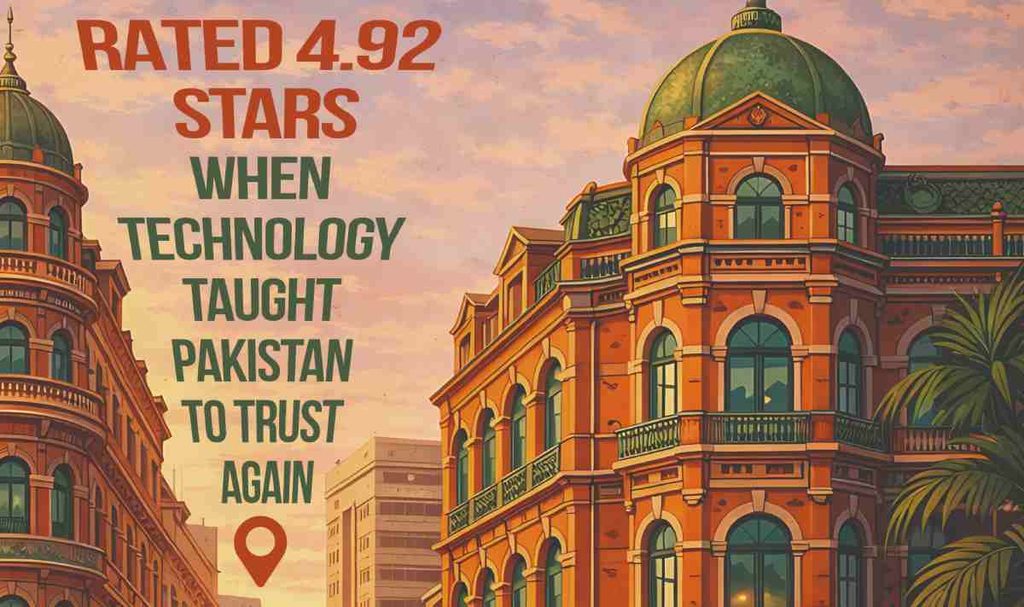
When Ahmed dropped me home that night, he smiled and asked for five stars. I laughed and promised I would. I rated him five stars, not because the ride was extraordinary, but because the system worked. And maybe that is the real story. Ride-hailing didn’t magically make Pakistan fearless. It built structures that made strangers accountable. In a culture shaped by caution, that structured trust feels revolutionary. Somewhere between “kisi par bharosa mat karna” and “Driver aa gaye?” Pakistan learned to trust again, carefully, digitally, and one 4.92-star ride at a time.