
There was a time when “making it” in music meant one thing: getting signed. A record label discovered you, invested in you, polished your sound, decided how you looked, and most importantly decided if you were worth listening to. If they said no, the story usually ended there.
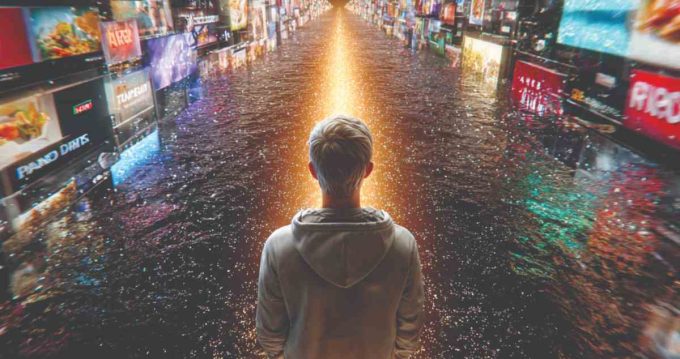
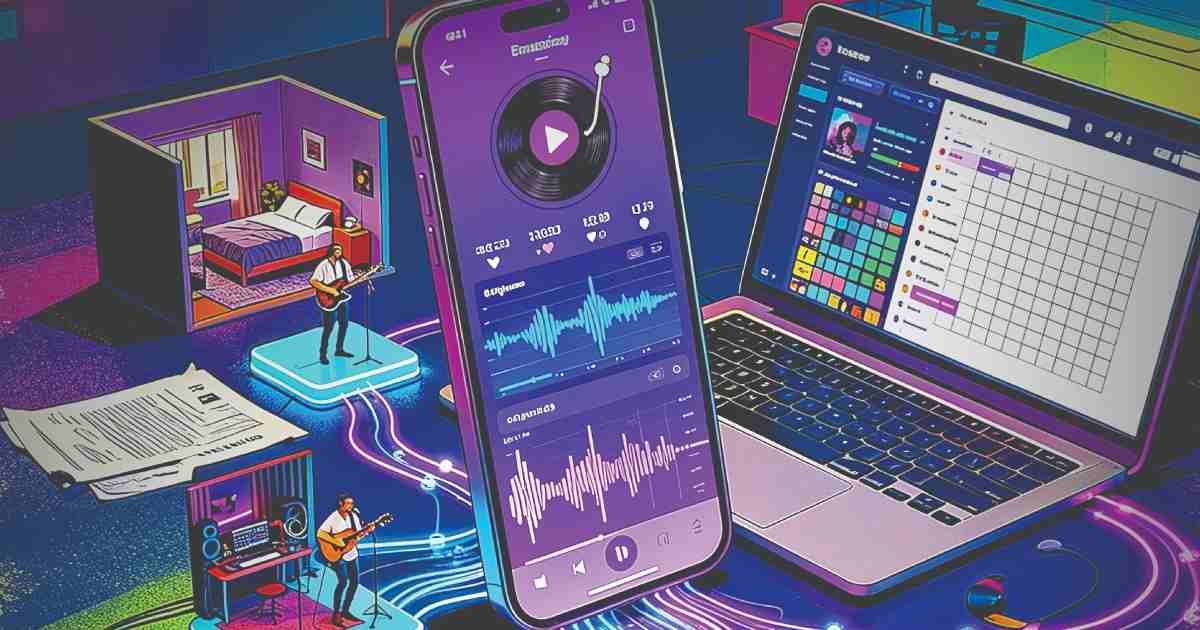
It seems like that world doesn’t exist anymore. Today, music careers don’t just begin in the studio, but they begin on phones, in bedrooms, on rooftops. In messy rooms with borrowed mics and unreliable Wi-Fi. And instead of label executives deciding your future, it’s algorithms, playlists, shares, and comments doing the judging.
I don’t think the internet just changed the music industry. I think it became the music industry. Platforms like YouTube, Spotify, Instagram, and TikTok are no longer just places to upload content. They act like record labels now. The difference is simple: they don’t come looking for you. You go looking for them, and if the algorithm responds, doors open. If it doesn’t, you try again.
Discovery Is Over. Visibility Is Everything.
Record labels used to “discover talent.” But what they really did was filter talent. You had to fit a sound and a look that people could sell. You needed access to the right rooms, the right moments, the right people. Being talented was never quite enough on its own.
Now, discovery has been replaced by visibility. No one is waiting to be discovered anymore. Artists put themselves out there. They upload songs, reels, snippets, covers, acoustic versions, and remixes. They test and test again, and wait for something to stick. When it gets shared, looped, saved, or goes viral, that is when the industry suddenly starts paying attention.
The algorithm becomes your A&R manager, and success has changed because of that. I think it’s no longer about who signs you first. It’s about who people click on, who they share with, and who keeps showing up in their feed.
Hasan Raheem Didn’t Ask for Permission
Hasan Raheem’s rise didn’t follow the old industry rulebook. No big announcement telling us who he was supposed to be. His music just found people. Or maybe people found it themselves.
Aisay Kaisay didn’t travel because a label pushed it. It travelled because listeners did. You remember seeing it everywhere, people were pressing repeat without thinking too much about why.
He didn’t wait for the industry to validate him. The audience did that first. And once the numbers spoke, the industry followed. It always follows.
That’s the pattern now. Platforms don’t create stars. They reveal them faster than labels ever could.
Shae Gill and the Power of One Moment
Shae Gill is another perfect example. Before Pasoori, she wasn’t a household name. After it, she was everywhere. International playlists, global charts, billboards in Times Square.
Yes, Pasoori came from Coke Studio. But its real power came from how it lived online. The song travelled through reels, TikToks, covers, countries and remixes. People in countries who had never even heard of Coke Studio were humming along.
That is not traditional promotion; that’s platform-driven reach, and, in my opinion, it is the new door to become viral and showcase true skills without any label restrictions or guidelines.
Earlier, global success was planned and strategised, but now it just happens, the algorithm pushes it, and I think that unpredictability is what makes this era exciting.
Young Stunners and Owning the Narrative
The journey of Young Stunners makes it very clear that for years, hip-hop in Pakistan lived on the edge. It did not fit the clean boxes the industry liked. Traditional labels didn’t know what to do with it.
Platforms did. YouTube became their stage. Social media became their megaphone. They built an audience without waiting for approval. Their lyrics spoke to a generation that finally felt represented.
By the time the mainstream caught up, Young Stunners were already leading the conversation. They didn’t change to fit the industry. The industry adjusted to fit them.
Algorithms Are the New Gatekeepers
Let’s not pretend this new world is all freedom and fairness; it isn’t. Algorithms are gatekeepers too. They just don’t explain themselves. Algorithms reward consistency, engagement, trends, and speed. If you don’t play along, you can disappear very easily.
Artists today aren’t just making music, they are making content; thinking about hooks and intros and whether the first ten seconds will hold someone’s attention. The pressure is real.
Instead of pleasing one label executive, artists are trying to please millions of scrolling users and an algorithm that never explains itself. You can be extremely talented and still go unnoticed. You can go viral once and never again. Fame can last fifteen seconds or fifteen million streams.
Fame is now instant and fragile at the same time.
Numbers Decide Everything Now
Streams. Views. Followers. Saves. Shares. These numbers decide who gets brand deals, or booked, or signed, or ignored.
I do not think this is entirely bad. In many ways, it is more honest. If people are listening, it shows. If they aren’t, that shows too. But it also means music is constantly competing for attention, not just quality. A great song can lose to a catchy reel. A meaningful lyric skipped for a trend. Depth doesn’t always win.
Artists now control their own entry into the industry. No one can stop them from uploading. No one can silence them, and that matters more than we realise.
The Label Isn’t Dead. It Just Changed.
Record labels still exist; their role is just different now.
They don’t discover anymore, but amplify now. They wait and watch numbers, they track trends. When an artist proves themselves online, labels step in with resources, contracts, and reach.
Platforms allow users to take the risk, but labels scale what already works. That shift gives artists leverage. They walk into rooms with proof: the data and audience that already cares. The question isn’t “Are you good enough?” It’s “How big are you already?”
Why This Shift Is Important for Pakistan
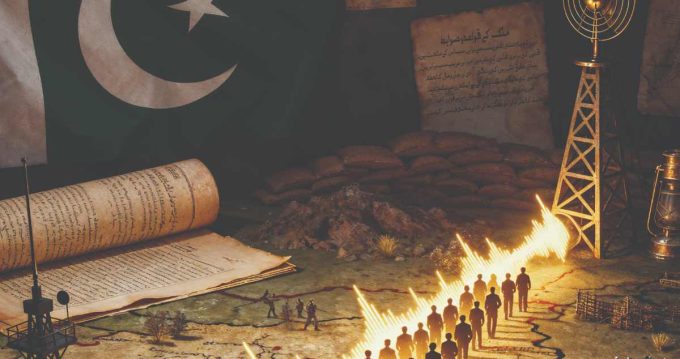
For Pakistan, this change matters even more. We don’t have endless funding or massive label systems. But we do have talent, stories, and hunger. Platforms have allowed languages, regions, and sounds to exist without permission.
Sindhi, Pashto, Balochi, Urdu, Punjabi. Everything exists online. Everything has a chance.
Artists don’t need to change accents or move cities to be heard. They just need to connect. And when that connection happens, it is powerful.
What Does “Making It” Mean?
Is it a million streams, a viral reel, an international feature or a sold-out show? I don’t think there’s one answer anymore. Maybe making it today means being heard on your own terms.
The line between amateur and professional is blurry now. So is the line between local and global. The journey is messier, less predictable, but it is also more real than ever before.
Mic Drop
The internet didn’t kill the music industry; it changed it. Now, talented people without connections can be heard. A few gatekeepers don’t control everything anymore; listeners do. Platforms are the new labels, audiences are the critics, and going viral is validation that it’s good work.
It is messy, exhausting, and unpredictable. But it’s real. For artists who were once told to wait their turn, this world doesn’t make them wait.