
Before we see a brand, we often hear it. A few notes, a familiar rhythm, a borrowed song, and suddenly a feeling is triggered. This is how sound is quietly reshaping the way brands are remembered.
There is nothing quite like music that etches itself in our memories, allowing us to associate many of our feelings and moments with songs that we jammed to back in the day. While music is not the only thing capable of creating such associations, it is arguably the most powerful. A familiar track does not just remind you of a time; it transports you back into the emotion you felt then. Every time it plays, you’re right there again.
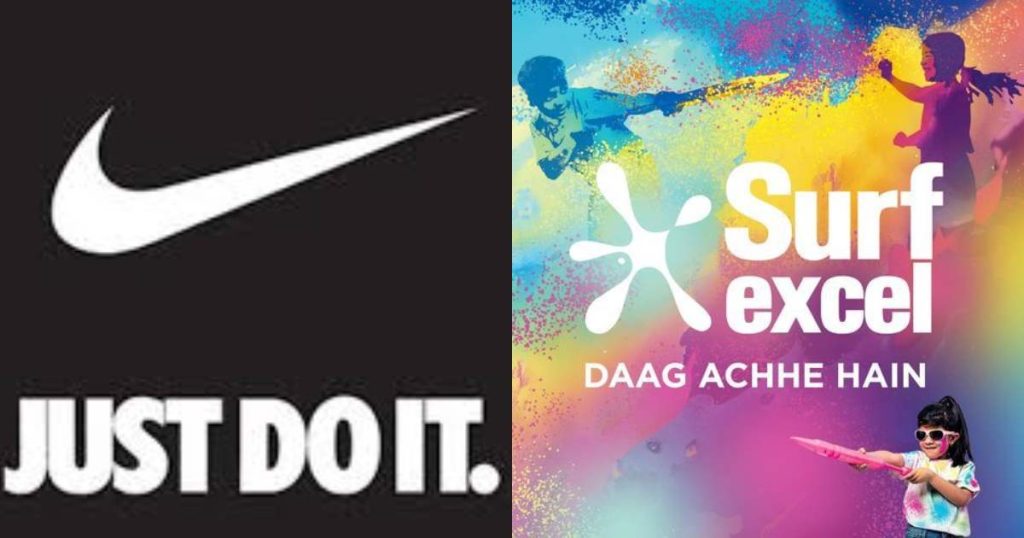
Some smart brands recognised this and asked an important question: could that same emotional recall be used to pull consumers into a positive headspace every time a brand appears? It is hard to imagine someone jamming to a voiceover line like ‘Nike – Just Do It’ or ‘Surf Excel – Dagh Tou Achay Hote Hain’, but a distinctive soundtrack does something different. It becomes a cue – not just to recognise a brand, but also to feel something specific about it.
That is what strong advertising sounds like, and it sits at the heart of an increasingly influential discipline called sonic marketing.
An Evolved Relationship with Music
People’s connection with music and the way it is consumed has greatly evolved, shaped by new content formats and the various digital platforms that host them. Take Reels and TikTok video formats, for instance: memes, short-form video content and even throwaway jokes are almost always paired with relevant soundtracks.
Once a trend gains virality, the soundtrack becomes inseparable from it, repeating across hundreds of nearly identical videos. Instagram and TikTok have leaned into this behaviour, allowing users to explore entire feeds built around a single audio clip. Users can even navigate various videos, utilising the same soundtrack.
What this tells us is simple: even in videos that last under a minute, music is doing the heavy lifting. It establishes tone instantly, signals intent, and triggers emotion before the viewer has fully processed what they’re seeing. The recent “Indian Spy in Pakistan” trend is a good example; almost every video uses the same Ishq Jalake track. Turning the audio into shorthand. You hear it, and you already know what is coming.
Brands Over Speakers
While Reels and TikTok videos offer a clear view into how music shapes content consumption, applying that same logic to branding is a very different challenge altogether. In short-form content, audio often rides on borrowed equity, trending tracks, cultural moments, or familiar hooks that already mean something to the audience.
Brands do not always have that luxury. They can’t solely rely on what a song already represents; they have to build meaning from scratch and do so without feeling forced, while ensuring consistency over time.
This is where sonic branding becomes more about long-term memory building and forming brand associations. The goal is not to create a viral sound, but an instantly recognisable one. Something that works across touchpoints, formats, and moments of attention. When done right, sound becomes an asset rather than an add-on. This add-on serves as the cue that reinforces who the brand is and how it wants to be felt, even when the logo is not front and centre.
For instance, a few notes of “Pa-ram-pa-pa…” are enough to signal the brand behind it (I’m Lovin’ It – say pa-ram-pa-pa again – this time you’ll sing it). Just like signature sounds in news bulletins and film franchises instantly cue what you’re about to experience. These audio cues cut through visual noise and tap directly into memory, often triggering recognition before conscious thought kicks in.

Capturing the Right Emotion at the Right Time
So, how can a brand actually achieve this? Not by coming up with a catchy jingle and hoping it sticks. Emotional association is built through repetition, restraint, and consistency. The sound has to show up the same way, in the same role, across moments where the brand already has your attention. Over time, the brain stops treating it as music and starts treating it as a signal.
Intel is a classic example in the global market. The five-note sting is not a song anyone would ever listen to on its own. But decades of consistent use have hardwired it to mean reliability and technology that works. Netflix does something similar, but even more subtly. The ‘ta-dum’ that plays before someone starts a film or show is not trying to be memorable in isolation; it’s tied to anticipation. You hear it, and know you are about to watch something worth the time. The feeling comes before the thought.
PlayStation’s startup sound works similarly. For an entire generation, those few seconds of audio don’t just signal a console powering on – they trigger excitement and a sense of entering a whole new world. The sound shows up at the same moment, every time, reinforcing the feeling before a single game loads. This is where emotional association is really formed; the sound does not just explain the brand; it behaves like it. It arrives at a consistent emotional beat, such as the promise of what comes next. Eventually, the audio alone carries the experience.
Grooving Beyond Brand Identity
While sonic branding often brings to mind mnemonics and startup sounds. Brands today are increasingly looking beyond ownership and into association. Instead of creating original jingles, which were once the hallmark of classic advertising. Many are choosing to borrow from existing music and culture, using songs as emotional shortcuts rather than proprietary assets.
Globally, this has played out in interesting ways. Take Nike, for instance, which has long relied on music to amplify attitude and energy rather than brand recall. In cases like this, the music doesn’t exactly belong to the brand, but it fits the brand – reinforcing mood, worldview, and intent without needing to announce itself.
Closer to home, Pakistani advertising has followed a similar instinct, often leaning into cultural relevance over outright ownership. During Ramadan, brands like Shan and National are seen regularly turning to Sufi or devotional music, not to stand out, but to blend in meaningfully. The familiarity of the sound does the work – it signals spirituality and togetherness in its own unique way. The music already carries emotional weight; the brand simply borrows it at the right moment.

This approach shifts the role of sound from identification to immersion – another way brands can use music effectively. It is less about being remembered and more about being felt in context. And when done with restraint and relevance, borrowed music can create associations just as powerful as any original sonic device. Even if the brand never owns the sound outright.