
Music does not just accompany life; it defines it. And when the right track meets the right brand, ordinary becomes iconic almost overnight.
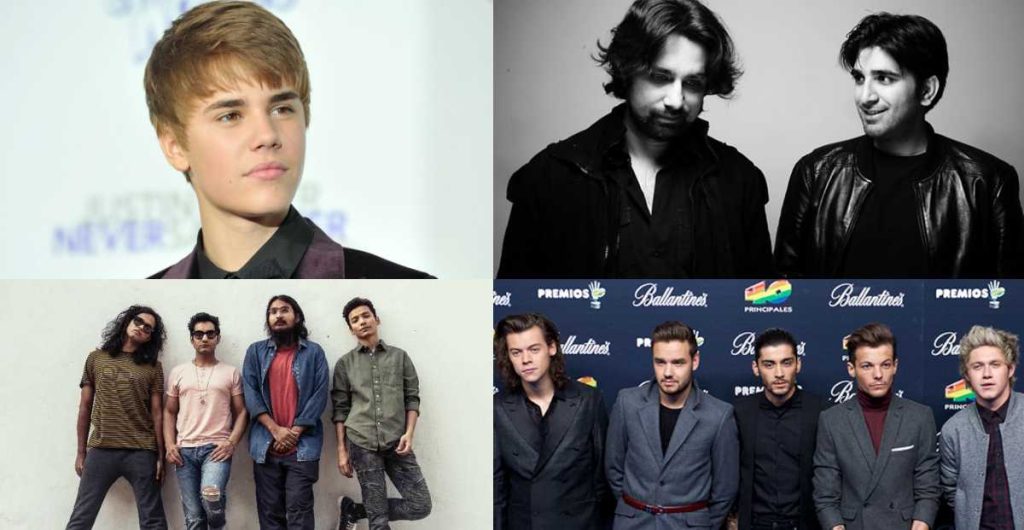
I like to call myself a music fanatic. I also believe, unironically, that I have the best music taste in the world. It began with Hannah Montana, then progressed to Justin Bieber and One Direction, before shifting to something closer to home, like Noori and The Local Train, and eventually dissolving into everything, everywhere, all at once.
Over time, and especially after dipping my toes into the marketing world. I have started listening differently, not just for pleasure, but with curiosity. I notice what sticks, fades, is forced, and what works effortlessly for both brands and people. What I keep thinking about constantly, though, is why? Why do some things go viral and others don’t? This is not analysis for the sake of analysis; it is observation born out of exposure.
We are living in the age of social media, which is strange, overstimulated, and constantly reinventing itself. Trends rise overnight and disappear just as quickly. People become rich, famous, or both in the blink of an eye. Everything is experimental, chaotic, and temporary.
Yet, despite all this volatility, some things remain timeless. Music is one of them. Across platforms, cultures, and generations, it persists, adapts, and reinvents itself, but it never fades into irrelevance. In a world where almost everything feels fleeting, music remains oddly permanent.
Justin Bieber was not just a teenage heartthrob with a YouTube origin story; he was one of the earliest internet-born stardom scaling into global economic power. His catalogue now racks up tens of billions of streams, with multiple tracks crossing the one-billion-stream mark individually. His breakout video, ‘Baby’, became one of the most-watched music videos in the world, holding the platform’s top spot for years. However, Bieber’s impact extended far beyond revenue; his discovery fundamentally altered industry logic.
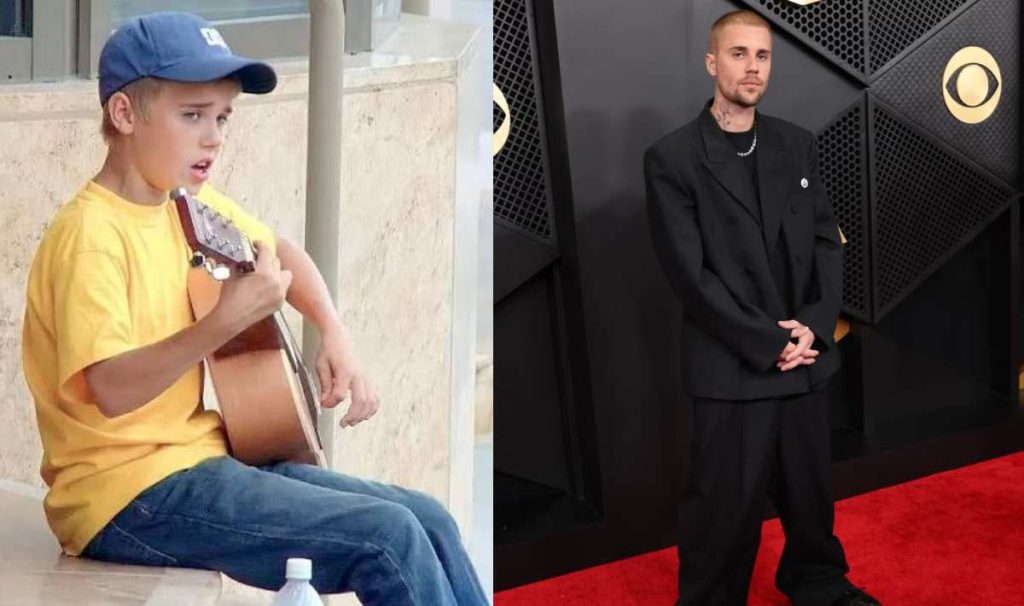
Aspiring artists began uploading covers and originals, fuelled by the belief that visibility could now bypass traditional gatekeepers. This marked a turning point in how talent was discovered, audiences were built, and intimacy was manufactured at scale. Hairstyles, fashion, online behaviour, and fan culture all shifted in his wake. Bieber did not simply sell music; he accelerated the era of internet discovery. When amplified digitally, it could be systematically monetised, years before brands learned how to replicate the model.
Take Taylor Swift. Everything she releases goes to number one, which, statistically speaking, does not make sense. Mass appeal is meant to flatten intensity; when something is for everyone, it rarely feels personal. And yet, with Swift, it does. She does not merely release music; she recalibrates worlds around it.
Her songs influence fashion, reshape online language, and generate measurable economic impact wherever she tours. During her Eras Tour, which grossed over $2 billion, selling more than 10 million tickets, making it the highest-grossing concert tour in history. Swift is now valued at roughly $1.6 billion, making her one of the very few artists to become a billionaire primarily through music.
This is not accidental virality or clever packaging; it is the TS effect. People feel something when they hear her music, and that feeling hardens into loyalty. Strip away the spectacle, the branding, and what remains is the song. Without it, there is no empire.

We have seen something strikingly similar unfold in Pakistan with Hasan Raheem, Pakistan’s own coming-of-age story. Raheem emerged quietly, uploading music to YouTube with no label backing, marketing or a formal rollout. His early releases gained traction organically, circulating through playlists, group chats and social feeds before the industry had time to notice.
Today, he is one of Pakistan’s most-streamed contemporary artists: he has over 1.8 million monthly listeners on Spotify and more than 820,000 followers across platforms, and his catalogue has amassed hundreds of millions of total streams worldwide. Raheem has since toured globally, performing across the world, and was chosen as Pakistan’s first artist for Spotify’s RADAR programme, an initiative designed to spotlight emerging talent on the global stage. Like Bieber before him, Raheem’s growth feels collective; audiences did not merely discover him, they grew alongside him.

Why and how music creates virality for brands comes down to three forces: emotion, memory, and shareability. Humans respond to music instinctively, from a baby’s first lullaby to a teenager’s carefully curated playlist. Neuroscience shows that music activates the brain’s pleasure, memory, and movement centres, releasing dopamine and producing an immediate emotional response, often before we can rationalise it.
Brands harness this power by transferring feeling onto products. A catchy hook or nostalgic tune can turn coffee into comfort or skincare into calm and confidence. Music also embeds itself in memory far longer than visuals or text, especially on social media, where repetition strengthens association. Finally, music thrives on sharing. People replicate, remix, and pass on sounds that resonate, allowing brands to travel organically through culture and reach audiences well beyond traditional marketing channels.
Studies show that music in advertising not only enhances brand perception but also increases purchase intention. In one study of 328 consumers, participants exposed to ads with well-chosen music reported a significantly higher likelihood of buying the product. Another experiment with 134 participants revealed that happy music increased purchase intention more than sad music, even when visuals were identical.
The mechanism is simple but powerful: music grabs attention instantly, sets a mood, and creates a memory. When a brand pairs itself with a particular sound, those feelings transfer to the product. On social media, this effect is magnified as users replicate a fifteen-second sound bite across thousands of videos, memes, streams, stories and reels, giving the brand unprecedented visibility.
Hit music turns ordinary brands into sensations because it engages the senses, triggers emotion, embeds itself in memory, and invites sharing. This is not luck; it is neurology. In a world where trends disappear overnight, music endures. When brands get it right, music does not support marketing; it becomes the marketing.
Artists like Justin Bieber and One Direction demonstrate why music works so powerfully. They did not just produce hit songs; they shaped identities, aesthetics, and digital behaviour. Bieber defined an era, while One Direction revived the boyband phenomenon when it was close to extinction. Music has always carried culture before we consciously recognise it, signalling who we are, what we value, and which moments matter. That same cultural force now drives brand virality. When a song, an emotion, and a brand align, the result is not chance but transformation, turning ordinary products into cultural phenomena almost overnight.