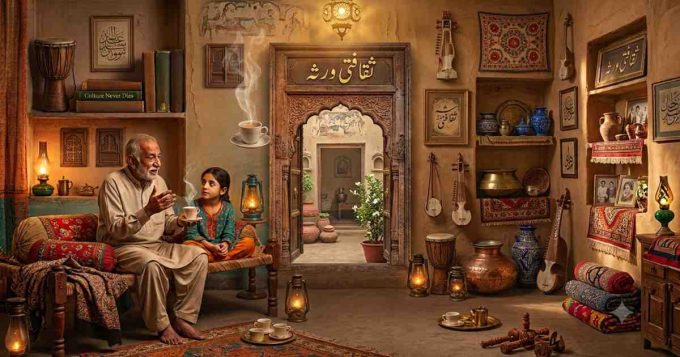

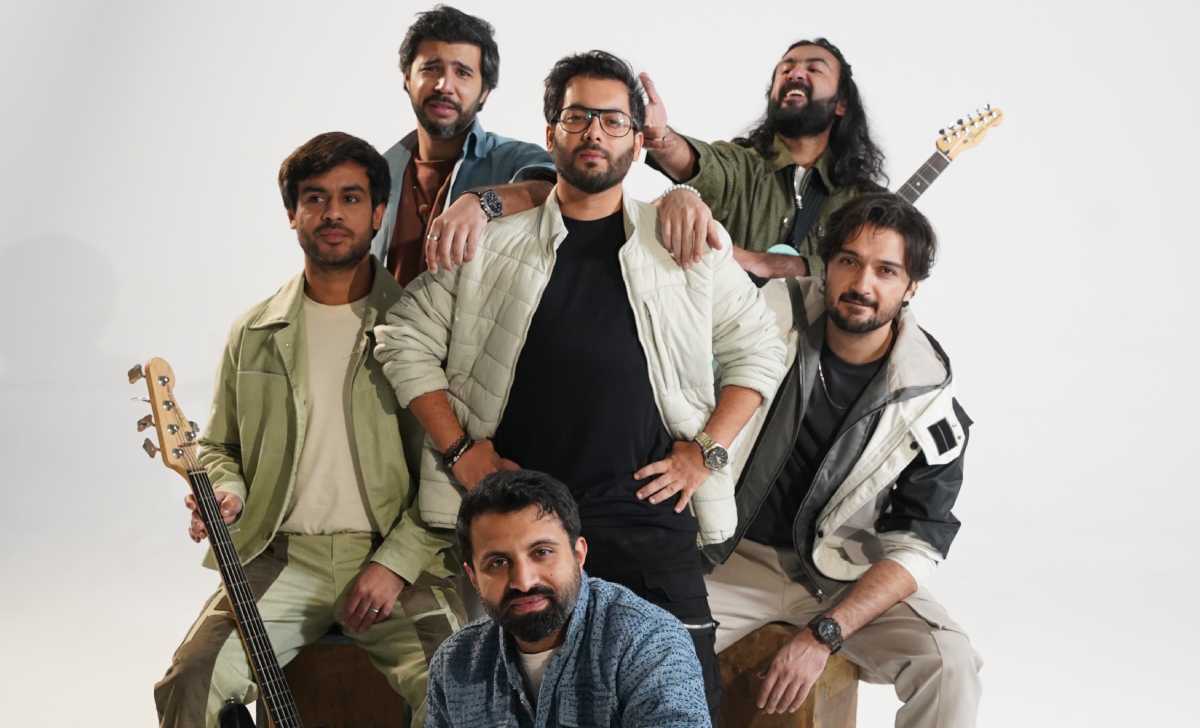
From studio sessions to live shows, this is a narration of a band manager’s journey with Bayaan, navigating creative differences, digital shifts, and industry gaps. Reflections on risks, turning points, and the delicate balance between artistry and strategy, revealing how passion, persistence, and calculated decisions shape a band’s growth and brand.
By Muneeb Wyne
As Luck Would Have It
Almost a decade ago, I studied Electrical Engineering, but music was always a hobby I was deeply passionate about. A few years after graduating, I found myself in between jobs and suddenly had all the time in the world, so I decided to start learning music production at a studio.
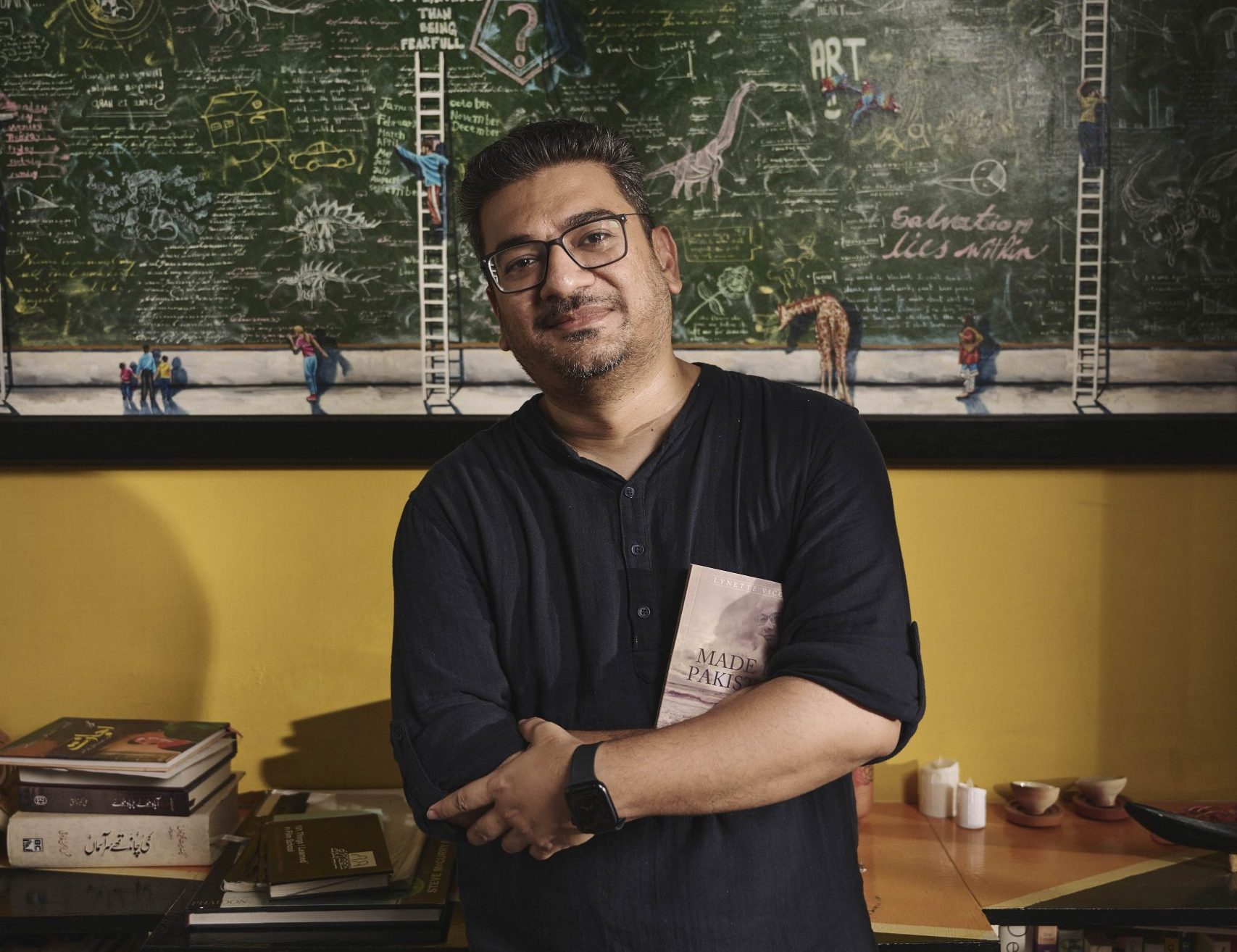
As luck would have it, I met Hassaan Khalid, Manager EP/Fawad Khan, at a recording session one random night. Long story short, he brought me on board as a project manager for an events and artist management agency he wanted to activate.
Hassaan bhai mentored me, teaching me all the best practices I now know. I consider myself very lucky, blessed, and extremely thankful to have learned the art of the job by shadowing one of the very best in the industry.
Bros Before Band
I had been friends with the members of Bayaan since before the band was formed, but officially, it has been three years since I have been managing their career. As a manager, the first thing you have to acknowledge with your artist is that communication is key.
You want to understand the artist’s vision for their work and how they want the world to perceive their art. At the same time, you have to provide insight into how the industry works and how fans perceive the art.
Communicating the artist’s goals and how they would like their work to be received outside of the jam room and studio allows a manager to help define a roadmap for where the artist wants to be in the coming years.
Always a Challenge
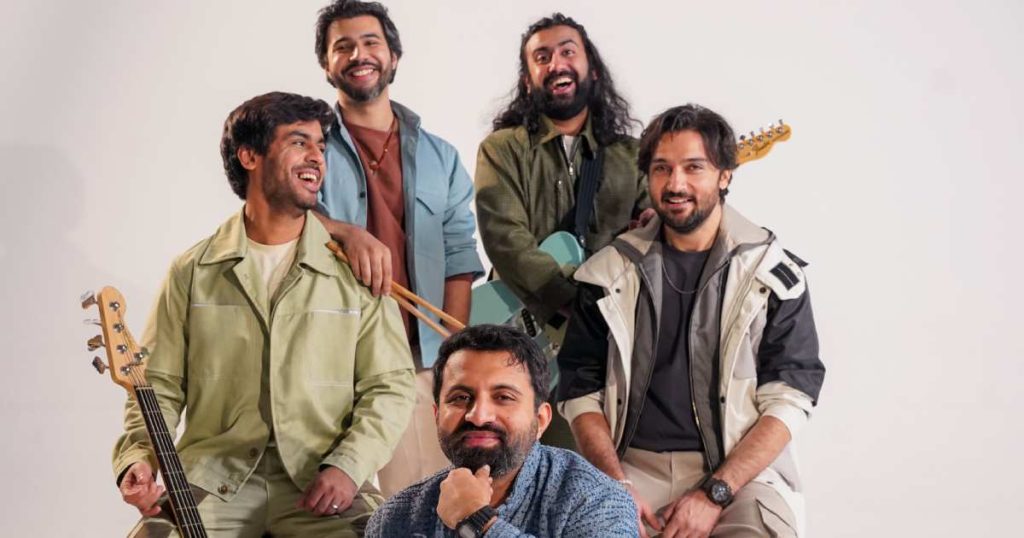
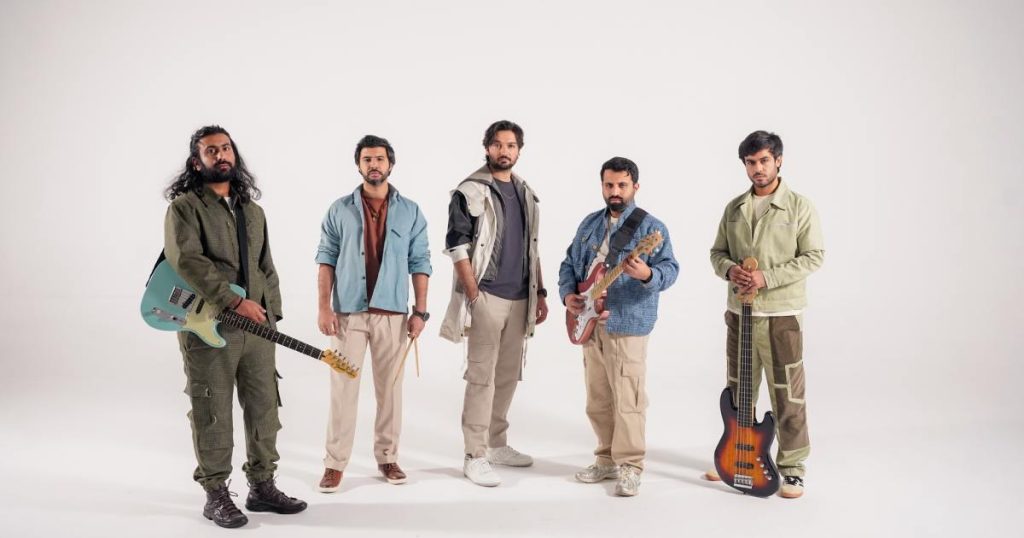
In the case of a band, any band, it is hard to get everyone on the same page all the time. In the case of Bayaan, all members have been friends longer than they have been making music together.
They are five different people, shaped by distinct musical inspirations, backgrounds, and ways of approaching the same situations and ideas. These very differences are what make it inevitable that when their creative energies come together, the result is something unmistakably and effortlessly “Bayaan.” At the same time, those same differences mean that arriving at a final decision or finished piece is often a slow, painstaking process.
As artists, many commercial demands do not align with their personal values or feel true to their music. Multiply that by five, and it becomes a challenge.
Organised Chaos
The day-to-day work changes completely depending on whether we are touring, recording, or promoting a release. On tour, the focus is logistics and real-time problem-solving, coordinating travel, accommodation, local teams, and technical riders.
I am usually the first one up, confirming soundcheck times and ensuring the venue’s technical requirements are met. After the show, it is about settling payments and moving everyone safely to the next location, while troubleshooting anything from missed flights to technical failures.
During recording phases, my role shifts to project management. I organise studio schedules, manage production budgets, and act as a filter between the artists and the outside world to protect their creative focus. I also coordinate with labels or distribution partners on release timelines, master deliveries, and asset creation.
When promoting a release, the focus turns to marketing and communication, managing PR calls, tracking single performance, scheduling interviews, and coordinating shoots. Across all phases, clear communication with the artists remains constant.
‘Release-And-Pray’
The biggest shift has been due to digital platforms, which have fundamentally changed the equation. We have moved from a ‘release-and-pray’ model to a continuous engagement strategy. In the past, a manager focused heavily on getting a song on the radio or TV. Now, the release is just the starting gun.
The strategy is now focused on data and direct connection. The attention span of the audience on social media has generally reduced to mere seconds, with reels, TikTok, and what is now termed ‘doom-scrolling’ becoming the dominant modes of media consumption.
There is a clear need for quick, snackable content to be released alongside projects, sparking chatter, buzz, and word-of-mouth. The landscape is evolving so rapidly that with every release, we are still adapting, recalibrating, and trying to keep pace.
Music Circuit
That constant need to adapt is shaped not just by shifting audiences, but by the structural gaps artists operate within. The most pressing of these is the absence of a robust, industrialised live music circuit and a standardised system for royalty collection and distribution. Pakistan lacks an established network of mid-sized venues, promoters, and purpose-built live music spaces that globally help sustain developing artists.
As a result, touring often defaults to corporate or university-sponsored events, which, while financially viable, do not always support long-term artistic vision or consistent audience building.
The other major gap lies in monetisation and IP protection. While streaming is growing, the local infrastructure for accurate and timely royalty payments, particularly for performance and mechanical rights, remains underdeveloped, with publishing royalties virtually non-existent and largely dependent on foreign music societies.
As a result, sustaining an income purely from a music catalogue remains difficult. To counter this, we prioritise performance fees, brand collaborations, and merchandise, building multiple revenue streams to offset the unpredictability of digital royalties.
There is also a significant gap in event insurance in Pakistan. With no governmental support or safety nets, artists and event organisers absorb the full risk of cancellations or postponements. They could be caused by force majeure, geopolitical uncertainty, or local law and order issues.
Established artists may manage this risk, but for developing artists, it often becomes prohibitive, forcing them to delay or abandon opportunities altogether. Addressing this structural gap could significantly strengthen support for artists and the broader creative ecosystem.
Band’s Brand
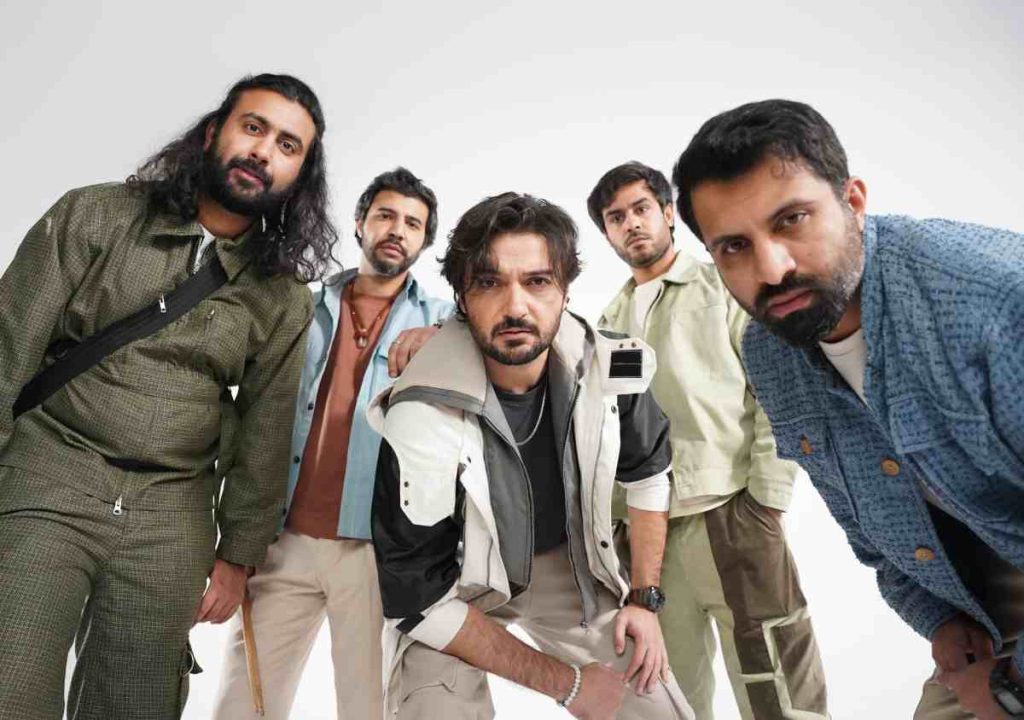
However, artists have become their own individual brands to make up for the structural shortcomings. In my opinion, a band becomes ‘brand-worthy’ when they possess three key attributes: authenticity, relatability, and a thorough audio/visual identity.
Brands want to align with artists who feel genuine, whose message isn’t easily swayed, and who have a dedicated, engaged community. Bayaan’s strength lies in their distinctive sound and visual aesthetic, which is consistently maintained.
This makes the band a low-risk partner because its brand promise is clear. While they have a unique sound, their core themes – humanity, friendship, change, introspection, love and heartbreak – are universal. This should allow brands across different sectors to find an entry point for collaboration. This consistency makes them an easy and dependable asset for a brand to integrate into a campaign.
Maintaining this value long-term requires careful gatekeeping of opportunities. We are selective, ensuring every collaboration feels like an organic extension of the band’s identity and not just a cash-grab. By saying ‘no’ to projects that don’t fit. We protect the authenticity that makes them valuable in the first place, thus maintaining long-term equity.
Turning Points
Bayaan’s trajectory has been shaped by a series of calculated risks comprising its core identity. One of the earliest and most decisive turning points was winning the Pepsi Battle of the Bands. While televised competitions often carry the risk of over-commercialisation or creative dilution, for Bayaan, it functioned as an accelerator rather than a constraint.
The exposure came with immense visibility, immediate financial and production backing. Allowing the band to move from the underground into the mainstream almost overnight. Crucially, it provided the capital and infrastructure to produce professional music videos, properly fund album production, and access a national platform. Proving that artistic integrity and mainstream success were not mutually exclusive.
A second, less conventional turning point emerged during the COVID-19 lockdowns. Although devastating for the live events industry at large. The period inadvertently deepened Bayaan’s relationship with both their craft and their audience. Forced physical separation pushed each member to independently learn music production, significantly strengthening their technical capabilities.
Simultaneously, the lockdown coincided with the release of their debut album Suno. Which audiences consumed intensely and repeatedly during a period of collective emotional isolation. This created a deep listener connection. When live shows finally resumed, that bond translated into a communal concert experience. Redefining the band’s live performances and setting a new benchmark for audience engagement.
The third major inflexion point was the band’s openness to collaboration. Expanding beyond a closed ecosystem allowed Bayaan to reach new audiences across demographics and age groups, without eroding their sonic identity. This strategic openness directly contributed to sustained growth, culminating in Safar becoming Pakistan’s most-streamed album in 2025. Rather than serving as a departure, collaboration became a tool for amplification.
Together, these turning points reflect a pattern: moments of uncertainty were consciously leveraged. Each risk expanded scale, skill, or audience depth, reinforcing the band’s long-term equity rather than offering short-term gains.
Moving Past Nostalgia
Building on that same instinct to leverage uncertainty rather than default to safe formulas. Rethinking how music is marketed in Pakistan requires moving past nostalgia-driven and formulaic branding altogether. The core shift has to be to professionalise the pipeline (non-music roles). Due to the lack of a proper music industry, the current model relies too heavily on artists doing their own marketing and management.
There has to be a better bridge between the market, between fans, commercial entities and the artist. The redesigned system would require investment and training for professional booking agents, sync licensing specialists, tour managers, and digital marketers who understand music. This is very important.
A redesigned working model cannot be achieved by handing over the business and operations to the corporations or people who only understand numbers. It needs to be creative professionals who understand both sides of the story. This specialisation would allow artists to focus on art, while the business side professionalises the marketing and monetisation efforts.