
From the humble “Foxy” to the dominance of the SUV, cars in Pakistan have always been more than mere transport; they are moving manifestos of power. Dr Hassaan Ahmed decodes how the automotive industry monetised social dogma, turning engines into status symbols and asphalt into a stage for hierarchy and ambition.
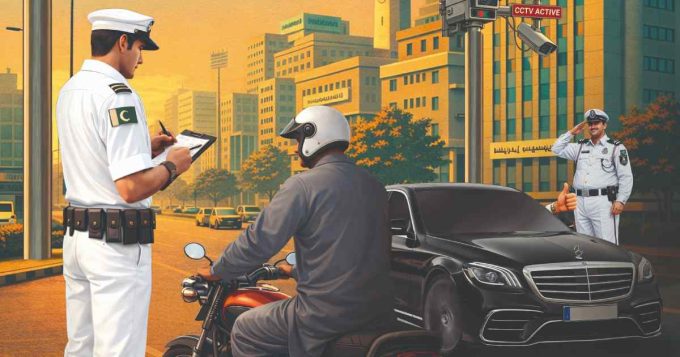
In the chaotic symphony of Pakistan’s road, from the honking arteries of Karachi’s Saddar to the wide boulevards of Lahore Gulberg, cars are not just vehicles. They are social positioning tools that define status hierarchies running on asphalt and concrete, reflecting who owns social power. And the automobile industry did not invent this reality but rather diligently refined, structured, and monetised this social dogma.
Cars as Social Currency
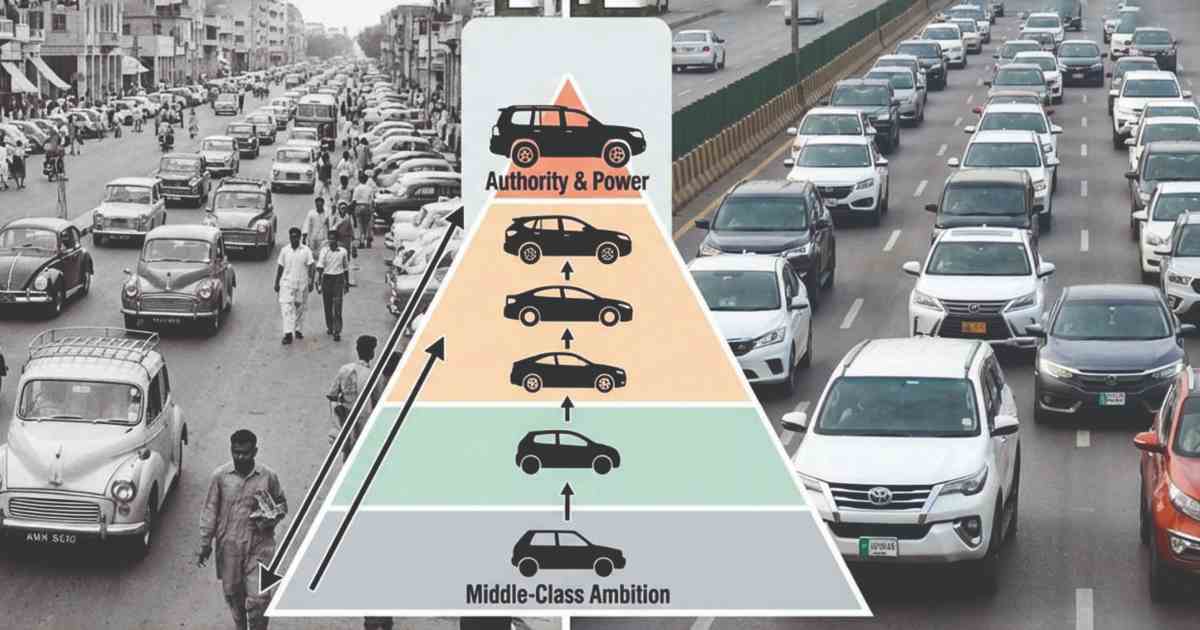
In the era of post-colonial elegance, the roads were ruled by Morris Minors and Volkswagen Beetles, affectionately known as Foxy in the country, which were primarily owned by bureaucrats and industrialist, and owning them meant power, proximity, or landed gentry.
While the industry marketing communication strategies remained stringent, with text-heavy print media and informational messaging focused on explaining foreign-made engineering laurels. This all changed during the 1980s, when the country witnessed ‘Big Three’ automobiles, including Suzuki, Toyota and Honda ruling the sector for about four decades. These three provided predictable market offerings and secured a strong hold on market share.
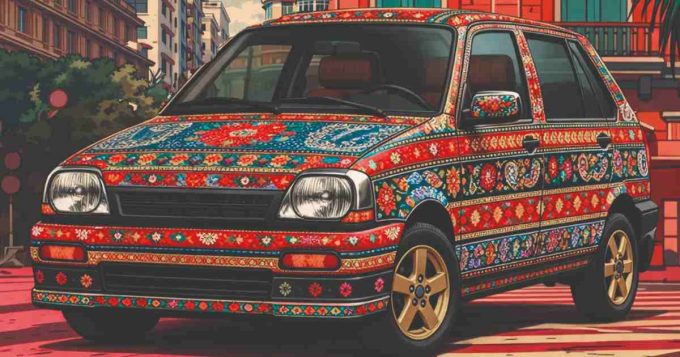
During the 1990s -2000s, the Suzuki Mehran became the middle-class ambition, where working professionals bought the Mehran to illustrate their first visible marker of economic breakthrough and rise on the socioeconomic ladder in the country. The automobile industry used it as a democratising tool as they moved car ownership from elite tenure to mass market aspirations, and Mehran became the national car.
When Cars Became Status
While the communication also shifted from a robust engineering powerhouse to a more effective appeal. The 2000s and the millennium brought about structural changes to the country, and people benefiting from foreign remittances suddenly demanded an uplift to their social status. The Toyota Corolla, Honda City, and Civic were seen as a new visual language of dominance on the Pakistani roads, talking more about the story of the society than about the traffic itself.
A car was considered a moving bank, account with resale value serving as a safe and core financial hedge. The advertisers now derived ads to narrate convenience, utility and rational decision making, framing car ownership as a necessity, moving beyond social status and pride.
From Ownership to Affordability
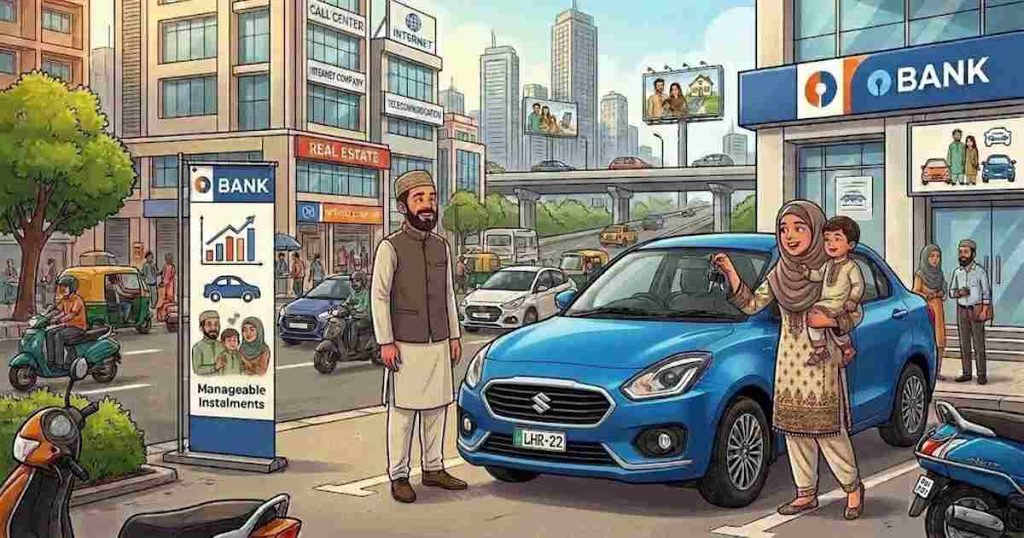
The 2010s era saw a sudden boom in real estate, internet companies, call centres and the telecommunications sector. This created enough economic opportunity for the younger generation to afford auto financing, allowing them to enter the market earlier than previous generations.
The milestone shifted from lifetime savings to manageable instalments. Similarly, the communication strategy started highlighting financial prudence, responsible masculinity, and family safety.
The Rise of the SUV
Then came the SUV era post 2016, where height became the authority; models such as the Toyota Prado and Toyota Fortuner did not merely offer off-road capability. They offered insulation and height translated into dominance, and their road presence translated into negotiation power. SUVs and crossovers steadily gained share over sedans, reflecting a psychological shift as much as a functional one. Advertising became more visual and less explanatory. Dialogue reduced, dominance increased, and the car was not described; it was displayed.
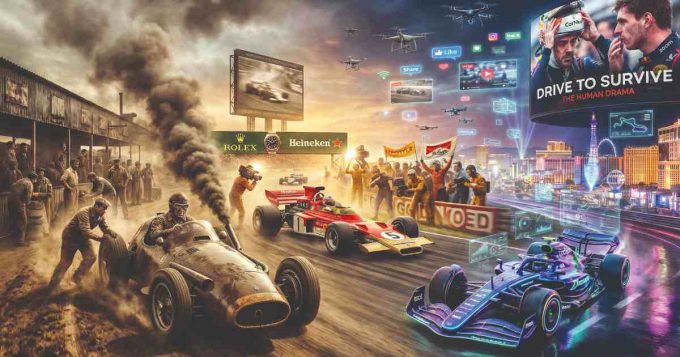
However, the PAMA auto policy (2016 – 21) altered the competitive landscape and new entrants such as Kia Motors, Hyundai, MG Motors, and Changan disrupted the automobile industry and challenged the decade-old oligopoly. This was, it was a narrative disruption. Panoramic sunroofs, digital dashboards and crossover silhouettes reshaped aspiration. Social media launches replaced traditional unveiling ceremonies. Influencer-driven content supplemented television dominance.
The competitive axis shifted from resale towards design, features, and lifestyle identity. Legacy players relied on trust capital, new entrants invested in perception velocity. Yet beneath the marketing sophistication, the social logic remained intact. Cars continued to function as currency. Only the denominations changed.
The New Currency of Mobility
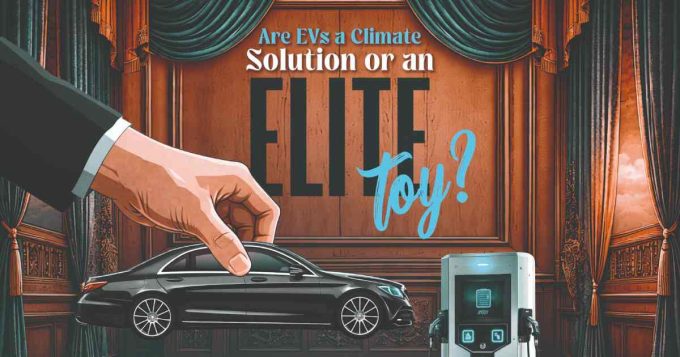
After the 2020s, a new layer has now emerged, offering electric and hybrid vehicles. Brands such as BYD and MG Motors are positioning electric vehicles not merely as environmental alternatives, but as technological statements. Meanwhile, hybrid offerings from Toyota are reframing fuel efficiency as strategic intelligence. In an economy characterised by fuel price volatility, currency pressure and energy uncertainty, efficiency becomes prestige. The EV buyer signals foresight. The hybrid driver signals prudence. Charging infrastructure may still be developing, but signalling infrastructure is already active.
However, post pandemic Covid 19, a shift in consumer behaviour has also been observed, especially among the Gen Z. Being a university teacher, I get to interact with them frequently. Most of them do not perceive car ownership as a milestone. Instead, they prefer investing in new business ideas or travel rather than sticking to a long instalment plan.
Yet, they are highly aware of how mobility can shape their image in society. Thus, brands targeting this younger segment are now increasingly focusing on lifestyle, tech features, and urban independence. To effectively engage with this audience, the promotion appeal should be more about experience and less about ownership.
Hence, the deeper truth is that roads mirror society. Their infrastructure and cultural habits do not change overnight; they require time and sustained efforts. Therefore, we can say that mobility in Pakistan is never natural. Whether it is a Corolla, an Alto, or an SUV parked boldly at the entrance, how you move and what you move, it all carries social weight.
Brands that want to resonate are not only those with better engines and advanced features, but also those that understand how social currency shapes consumer buying behaviour.